MSI Gaming GE63 8SE-227LU Raider RGB RAM upgrade specifications
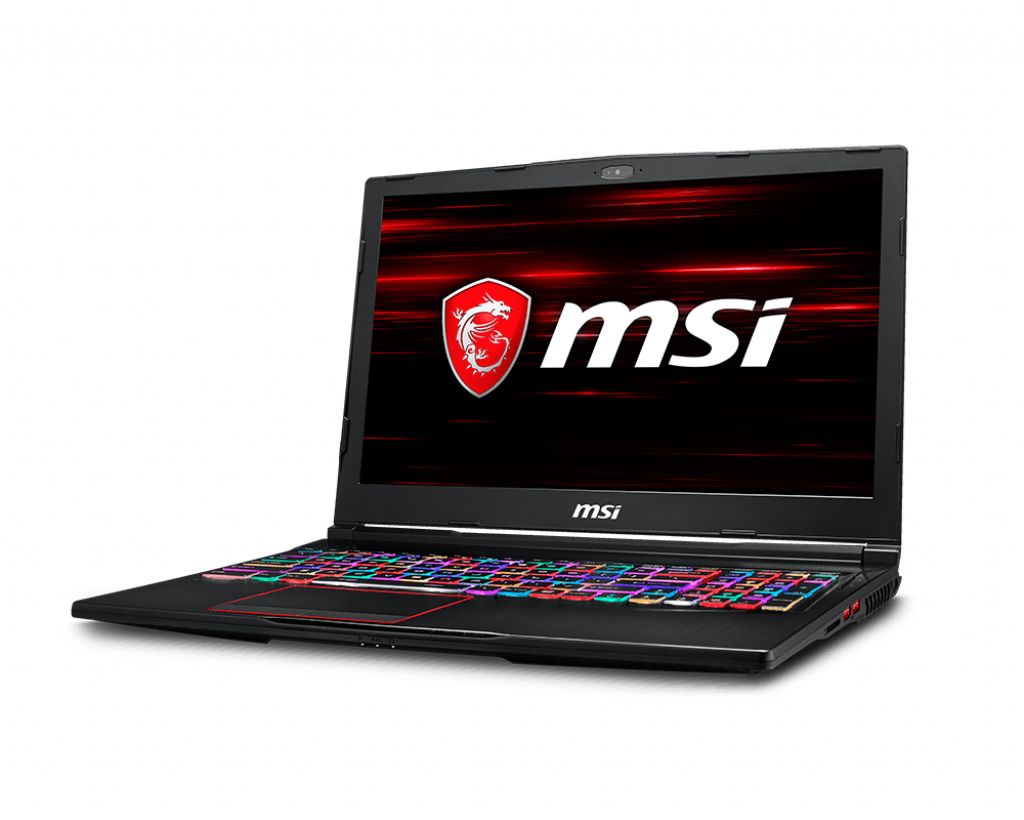
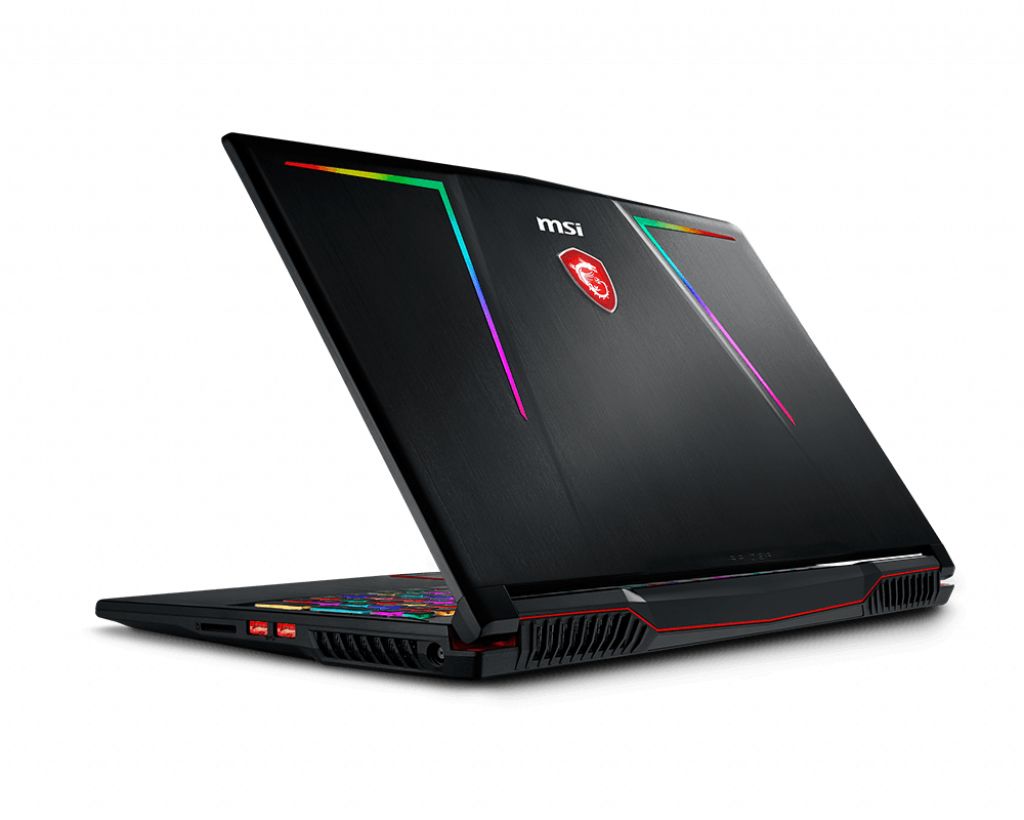
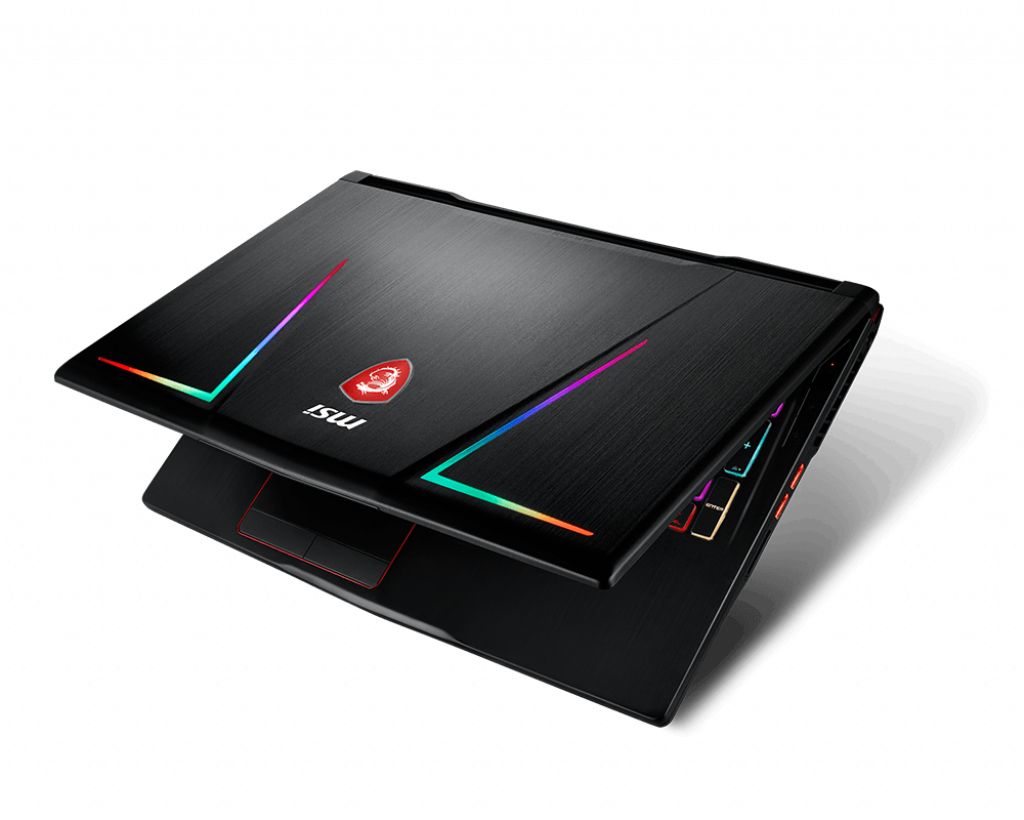
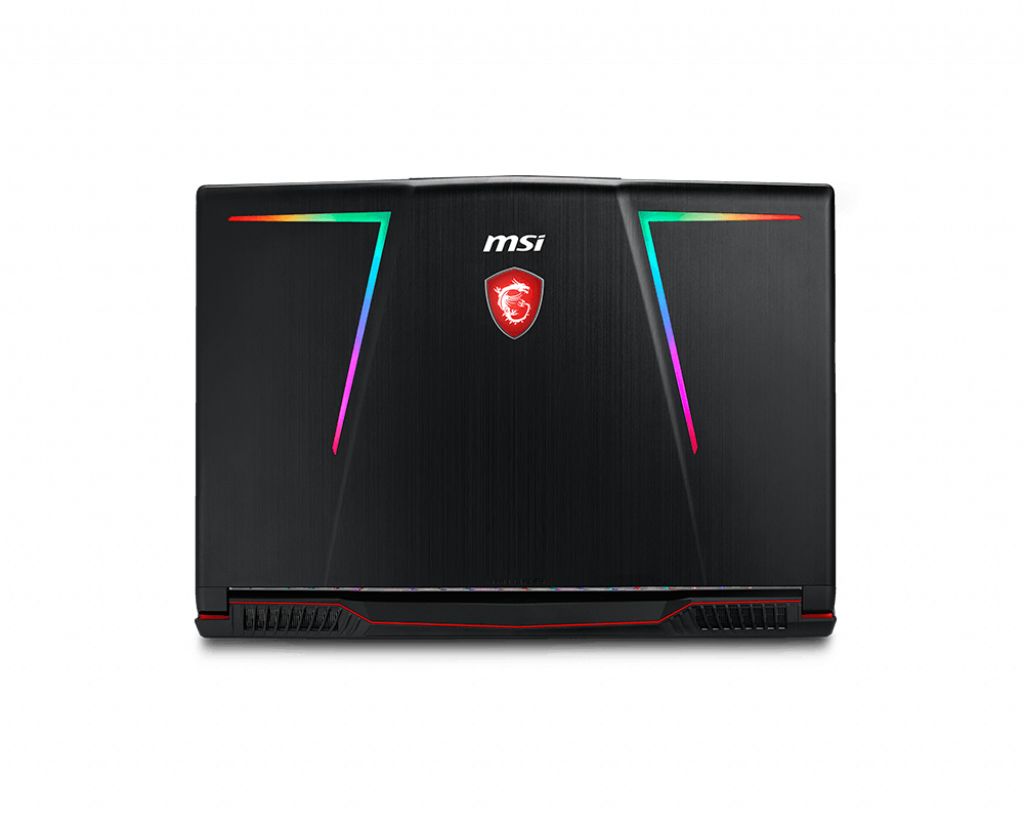
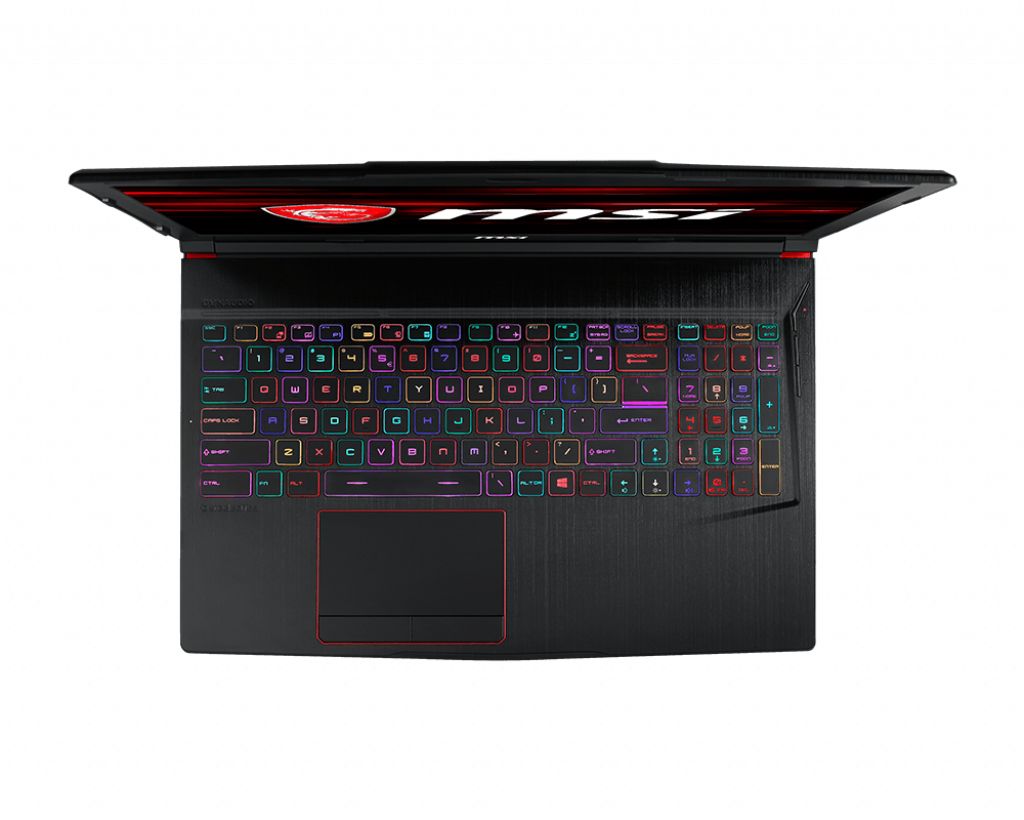
The MSI GE63 8SE-227LU Raider RGB gaming laptop features DDR4-SDRAM memory upgrade specifications with 2x SO-DIMM slots supporting maximum RAM capacity of 32 GB. Compatible memory modules operate at 2666 MHz frequency using SO-DIMM form factor. Upgrade slots accommodate DDR4 memory modules for enhanced system performance on the GE series Raider RGB platform.
Memory Upgrade Specifications
| Specification | Value |
|---|---|
| Memory slots | 2x SO-DIMM |
| Form factor | SO-DIMM |
| Memory type | DDR4-SDRAM |
| Frequency | 2666 MHz |
| Maximum RAM | 32 GB |
| Voltage | 1.2V |
| Number of pins | 260-pin |
| Interface | PC4 |
| PC Speed Rating | PC4-2666 (PC4-21328) |
| Bandwidth | 21.3 GB/s |
| Laptop Release date | 31 January 2019 |
Additional Notes
- The 32 GB ceiling stems from the 8th generation Intel mobile platform chipset limitation, which caps individual SO-DIMM module density recognition at 16 GB regardless of physical slot availability.
- DDR4-2666 represents the JEDEC standard speed for this platform generation, though the memory controller will downclock higher-frequency modules to 2666 MHz if installed, negating any price premium paid for faster rated memory.
- Dual-channel architecture requires matched module pairs for optimal memory interleaving, as asymmetric configurations force single-channel operation on the unpaired capacity portion and reduce theoretical bandwidth from 42.6 GB/s to 21.3 GB/s.
- SO-DIMM physical height constraints in this chassis design typically restrict compatibility to single-rank or dual-rank modules at standard 30mm width, while low-profile variants offer no clearance advantage in laptop installations.
- The MSI GE63 8SE-227LU Raider RGB memory controller operates within Intel's official validation for 1.2V DDR4 modules, making XMP or overclocked profiles unsupported and potentially unstable without custom BIOS modifications that void manufacturer support.
- CAS latency variations between CL17, CL19, and CL22 modules at the 2666 MHz frequency produce measurable differences in memory-sensitive workloads, though gaming frame rates typically show less than 3 percent deviation across these latency grades.
- Warranty preservation requires avoiding bottom panel removal on certain regional SKUs with intact security seals, necessitating verification of upgrade permissions through official service documentation before accessing internal memory slots.
- Non-ECC unbuffered modules remain the exclusive compatible specification, as the mobile platform lacks both error correction logic and registered DIMM support found in workstation-class systems.
- Thermal headroom in the memory compartment allows continuous operation at JEDEC thermal design parameters without additional cooling considerations, unlike upgrade scenarios in ultra-thin chassis designs requiring temperature-tested module selection.