MSI Gaming GE63 Raider RGB-608 RAM upgrade specifications



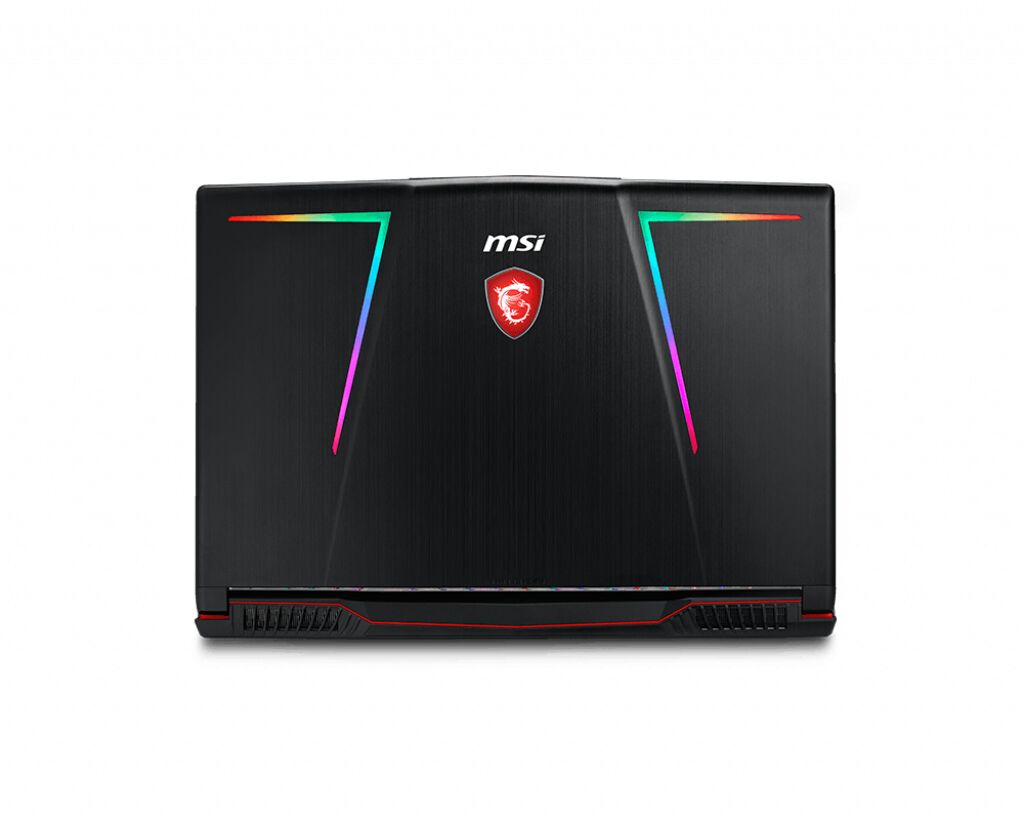

The MSI GE63 Raider RGB-608 gaming laptop supports DDR4-SDRAM memory upgrades through two SO-DIMM slots. Maximum RAM capacity reaches 64 GB, with memory operating at 2666 MHz frequency. Compatible upgrades utilize SO-DIMM form factor specifications. This gaming series model allows users to expand memory from its original configuration to support enhanced multitasking and performance requirements. Memory upgrade compatibility adheres to DDR4 standards and slot configuration parameters of the GE63 Raider RGB-608 platform.
Memory Upgrade Specifications
| Specification | Value |
|---|---|
| Memory slots | 2x SO-DIMM |
| Form factor | SO-DIMM |
| Memory type | DDR4-SDRAM |
| Frequency | 2666 MHz |
| Maximum RAM | 64 GB |
| Voltage | 1.2V |
| Number of pins | 260-pin |
| Interface | PC4 |
| PC Speed Rating | PC4-2666 (PC4-21328) |
| Bandwidth | 21.3 GB/s |
| Laptop Release date | 13 May 2019 |
Additional Notes
- Dual channel memory architecture is only achievable when both slots are occupied by matching modules to double the theoretical bandwidth available to the processor.
- The MSI GE63 Raider RGB-608 relies on Small Outline Dual In-line Memory Modules which preclude the use of standard desktop RAM due to physical size and pin count differences.
- Installing modules with frequencies higher than 2666 MHz results in automatic downclocking to the motherboard limit unless the BIOS supports specific overclocking profiles.
- Thermal management within the chassis depends on the use of low voltage 1.2V sticks to prevent unnecessary heat buildup near the critical cooling pipes.
- Reaching the 64 GB threshold requires the replacement of all pre-installed factory memory because the system lacks additional expansion bays beyond the primary pair.
- Integrated graphics performance scales directly with memory speed and configuration since the video subsystem shares the system pool for texture buffering.
- Mixing modules with different CAS latencies forces the controller to operate at the timing of the slowest installed chip which increases system wide latency.