MSI Gaming GE63 Raider RGB 9SE-671IT RAM upgrade specifications

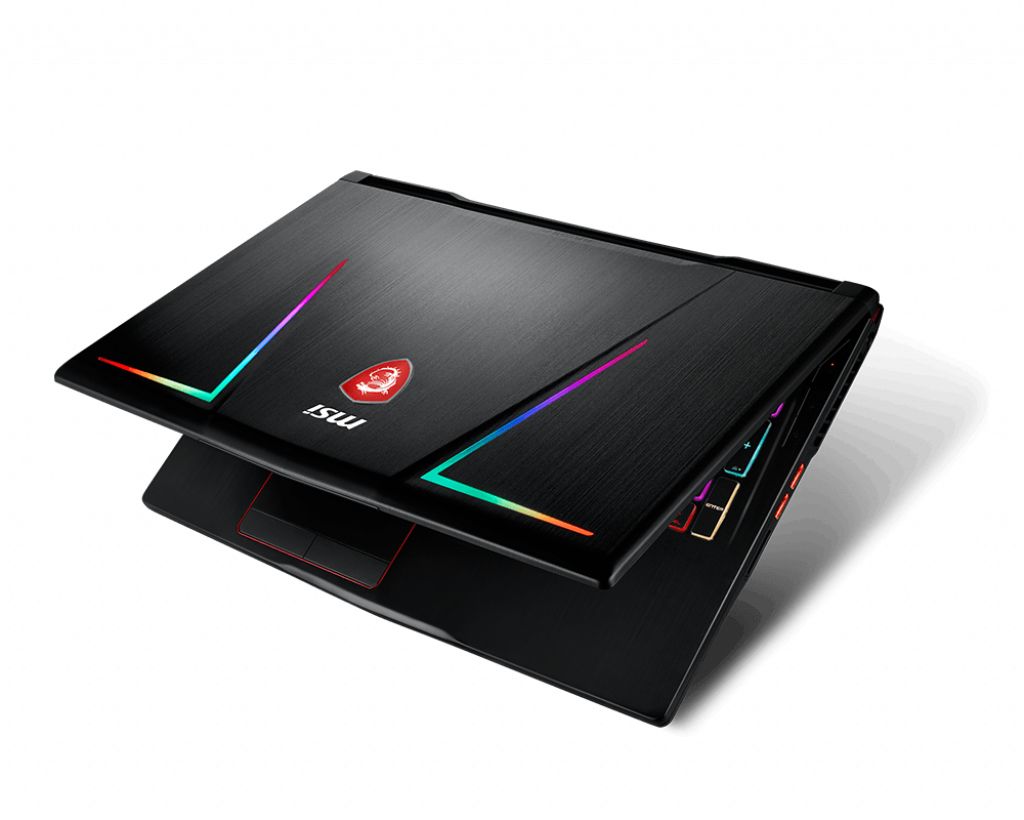


The MSI GE63 Raider RGB 9SE-671IT gaming laptop features DDR4-SDRAM memory upgrade specifications with two SO-DIMM slots supporting maximum RAM capacity of 64 GB. Compatible memory modules operate at 2666 MHz frequency. The upgrade slots accommodate standard SO-DIMM form factor memory modules, enabling users to expand system RAM from factory configurations up to the specified maximum capacity for enhanced performance in gaming and multitasking applications.
Memory Upgrade Specifications
| Specification | Value |
|---|---|
| Memory slots | 2x SO-DIMM |
| Form factor | SO-DIMM |
| Memory type | DDR4-SDRAM |
| Frequency | 2666 MHz |
| Maximum RAM | 64 GB |
| Voltage | 1.2V |
| Number of pins | 260-pin |
| Interface | PC4 |
| PC Speed Rating | PC4-2666 (PC4-21328) |
| Bandwidth | 21.3 GB/s |
| Laptop Release date | 02 May 2019 |
Additional Notes
- The MSI GE63 Raider RGB 9SE-671IT uses SO-DIMM modules, which eliminates compatibility with standard DIMM memory sold for desktop systems.
- The 2666 MHz frequency represents the official specification for 9th generation Intel mobile processors, though actual operating speed depends on CPU memory controller limits and XMP profile support in the BIOS.
- Installing modules faster than 2666 MHz will result in automatic downclocking to match the chipset specification, wasting any premium paid for higher-speed RAM.
- The 64 GB maximum capacity requires 2 modules of 32 GB each, which may have limited availability and higher cost per gigabyte compared to more common 16 GB modules.
- Mixing modules with different densities, timings, or manufacturers can trigger compatibility issues including failure to POST, random crashes, or forced operation in single-channel mode.
- Both slots must be populated with matched specifications to maintain dual-channel bandwidth, as single-channel operation cuts memory throughput in half.
- DDR4 SO-DIMM operates at 1.2V standard voltage, and modules requiring higher voltages for rated speeds may not function correctly or could cause thermal issues in the confined laptop chassis.
- Accessing the memory slots typically requires removal of the bottom panel, which may void warranty seals depending on regional consumer protection laws and MSI service policies.
- Non-ECC unbuffered modules are required, as registered or ECC memory types physically fit but remain incompatible with mobile chipset architecture.
- CAS latency variations between CL19 and CL22 at this frequency produce minimal real-world performance differences in gaming workloads, typically under 2 percent frame rate variation.