MSI Gaming GE66 10UH-031CA Raider RAM upgrade specifications

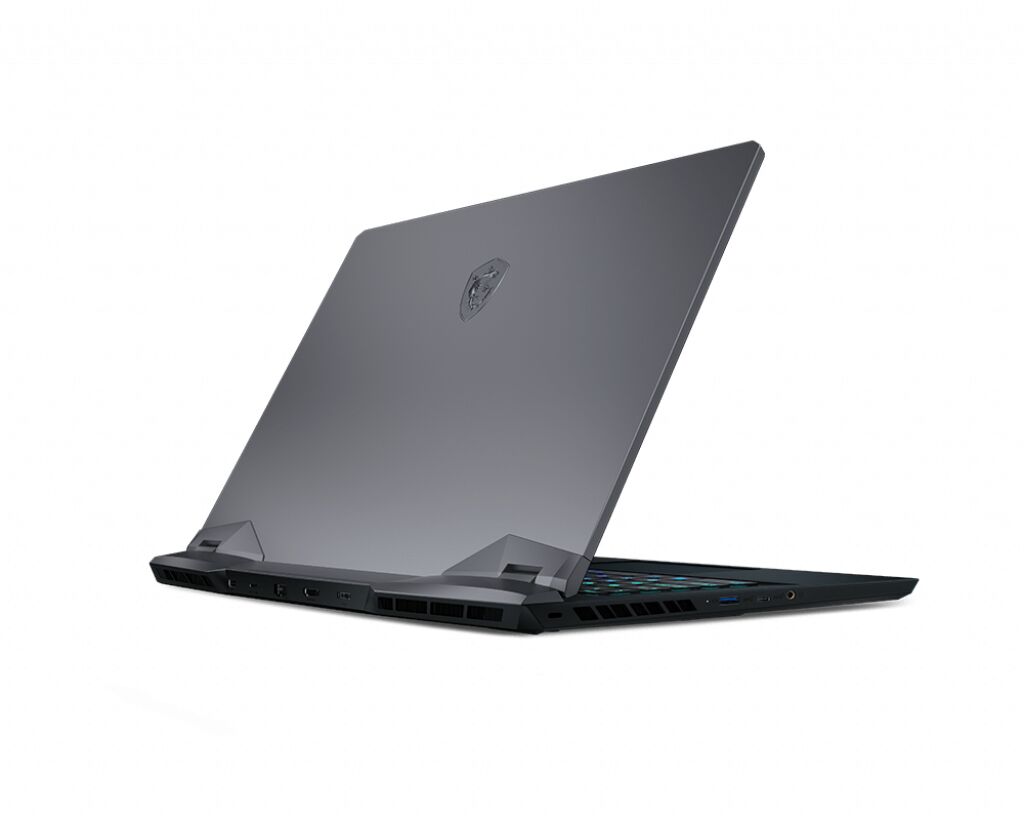
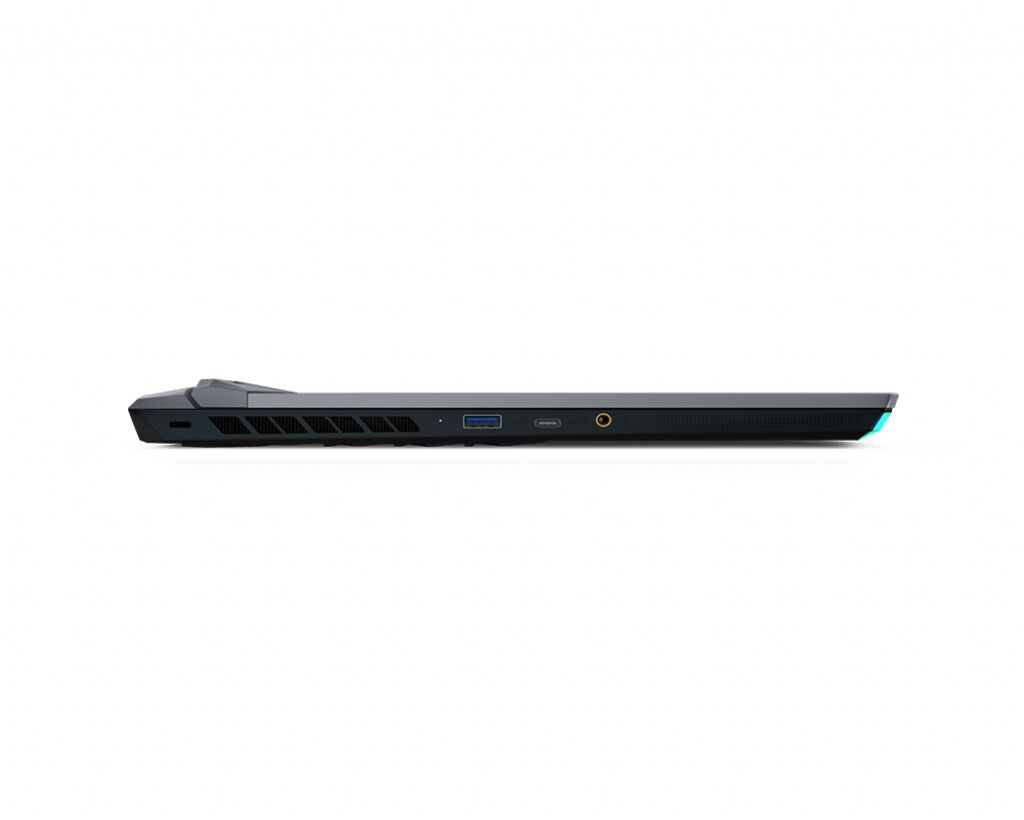
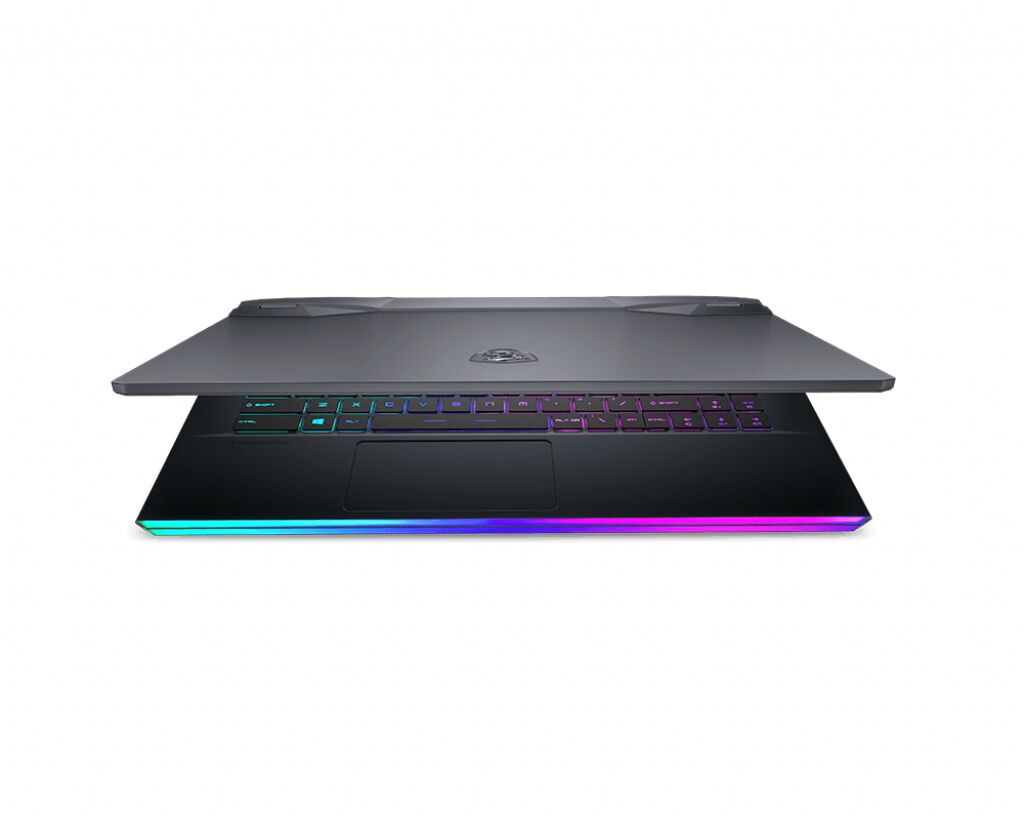
The MSI GE66 10UH-031CA Raider gaming laptop features DDR4-SDRAM memory upgrade specifications. The Gaming series model includes 2x SO-DIMM memory slots with SO-DIMM form factor compatible with DDR4-3200 MHz modules. Maximum RAM capacity specifications indicate 64 GB total memory upgrade potential. Specifications detail compatible DDR4-SDRAM modules for the GE series Raider model expansion requirements.
Memory Upgrade Specifications
| Specification | Value |
|---|---|
| Memory slots | 2x SO-DIMM |
| Form factor | SO-DIMM |
| Memory type | DDR4-SDRAM |
| Frequency | 3200 MHz |
| Maximum RAM | 64 GB |
| Voltage | 1.2V |
| Number of pins | 260-pin |
| Interface | PC4 |
| PC Speed Rating | PC4-3200 (PC4-25600) |
| Bandwidth | 25.6 GB/s |
| Laptop Release date | 29 January 2021 |
Additional Notes
- The MSI GE66 10UH-031CA Raider contains 2 SO-DIMM slots that operate as a dual-channel configuration, meaning RAM upgrades must be installed in pairs to achieve optimal bandwidth utilization; single-module installations will reduce memory throughput by approximately 50 percent.
- DDR4-3200 MHz represents the native JEDEC standard for this generation, but Intel 10th-gen mobile processors support higher frequencies through Intel XMP profiles; modules rated at DDR4-3600 or DDR4-4000 will function only at 3200 MHz unless BIOS-level overclocking is applied, which may void manufacturer coverage.
- The 64 GB maximum capacity ceiling (32 GB per slot) eliminates future-proofing beyond current 32 GB modules; no upgrade path exists for higher densities without replacing both existing modules entirely.
- SO-DIMM form factor requires laptop-specific modules rather than desktop DDR4 variants; physical incompatibility will prevent insertion of full-size DIMM modules, making module sourcing restrictive compared to desktop platforms.
- Latency performance will be constrained by the SO-DIMM physical design; the shorter trace paths and connector geometry introduce marginally higher access times (typically 1-2 nanoseconds) compared to full-size DIMM alternatives, affecting microsecond-scale memory operations in latency-sensitive applications.
- Warranty retention during RAM upgrades requires purchasing modules from OEM-approved suppliers or those explicitly listed in MSI documentation; third-party modules may trigger coverage denial if stability issues arise, even if hardware damage does not occur.