MSI Gaming GE66 10UH-212FR Raider RAM upgrade specifications

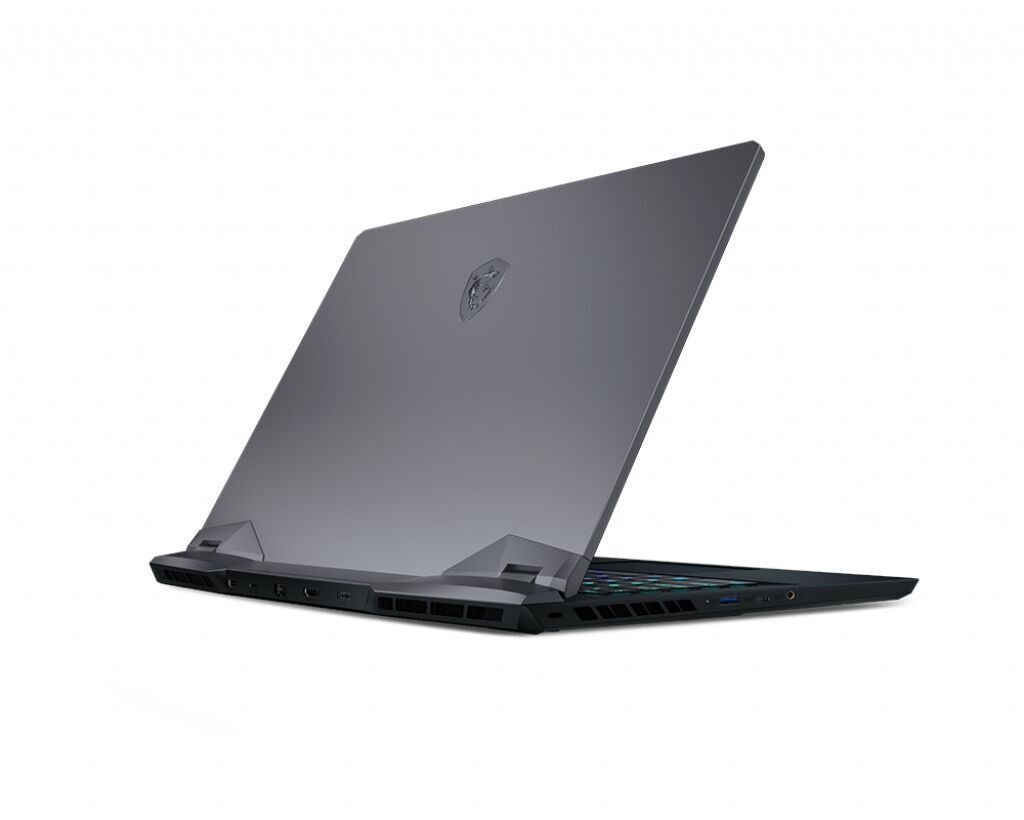
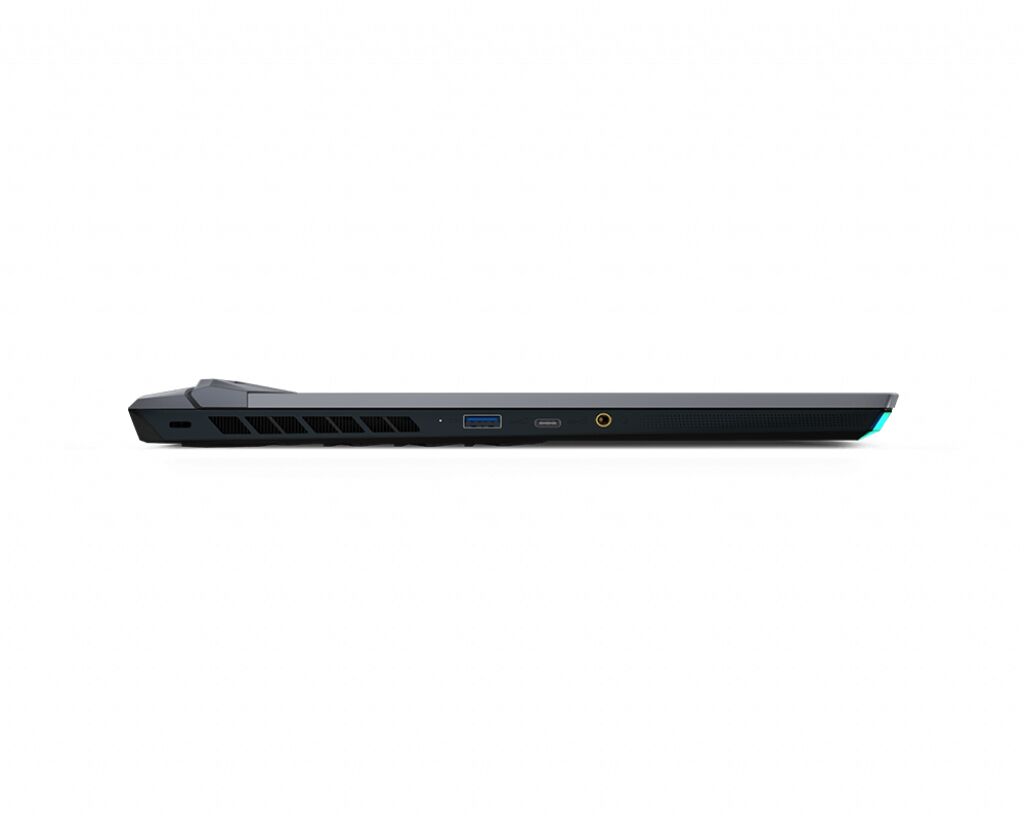
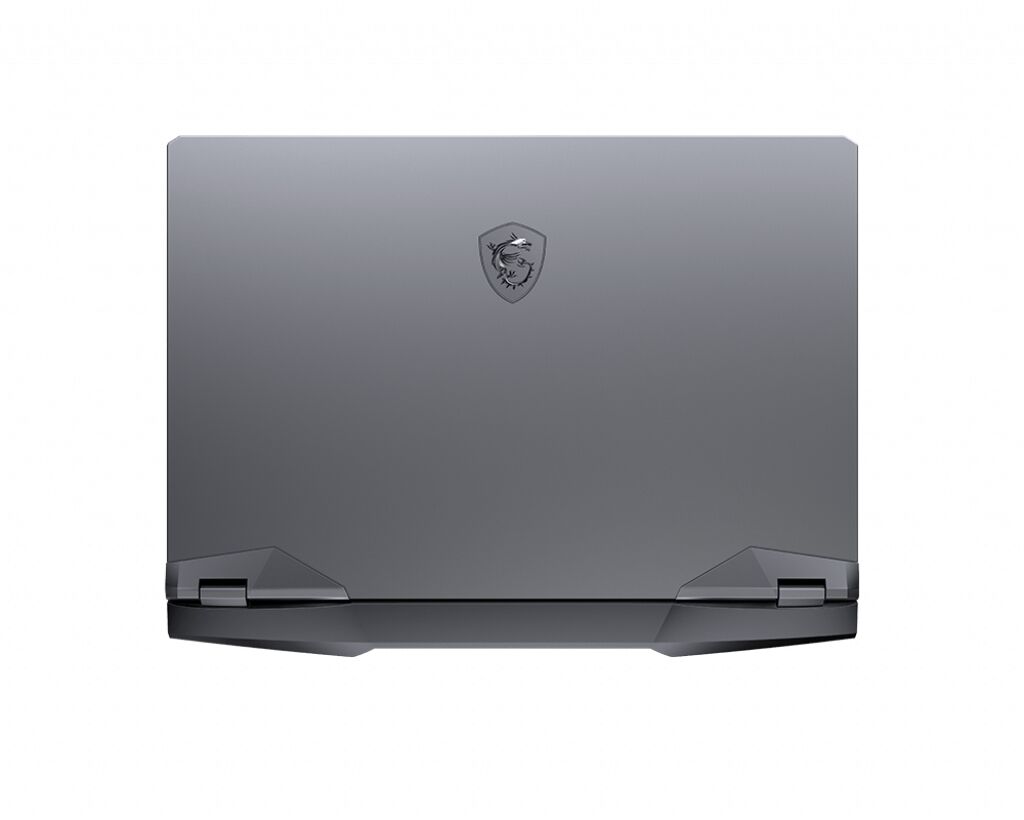

The MSI GE66 10UH-212FR Raider gaming laptop features DDR4-SDRAM memory with two SO-DIMM slots supporting maximum capacity of 64 GB. The upgrade specifications are compatible with DDR4 modules operating at 3200 MHz frequency. Current RAM configuration and available slots enable memory expansion for enhanced system performance. The SO-DIMM form factor specifications establish upgrade compatibility parameters for the GE series Raider model.
Memory Upgrade Specifications
| Specification | Value |
|---|---|
| Memory slots | 2x SO-DIMM |
| Form factor | SO-DIMM |
| Memory type | DDR4-SDRAM |
| Frequency | 3200 MHz |
| Maximum RAM | 64 GB |
| Voltage | 1.2V |
| Number of pins | 260-pin |
| Interface | PC4 |
| PC Speed Rating | PC4-3200 (PC4-25600) |
| Bandwidth | 25.6 GB/s |
| Laptop Release date | 29 January 2021 |
Additional Notes
- The MSI GE66 10UH-212FR Raider relies on dual-channel architecture through its 2 SO-DIMM sockets, meaning single-module configurations sacrifice approximately 20 to 30 percent memory bandwidth compared to matched pairs.
- DDR4-3200 modules running at their rated speed require JEDEC SPD profiles or XMP support in the system BIOS, as certain configurations may default to lower JEDEC speeds like 2933 or 2666 MHz without manual intervention.
- The 64 GB ceiling constrains memory-intensive workflows such as large-scale virtualization, RAMDisk operations, or professional 3D rendering projects that exceed this threshold.
- SO-DIMM modules measuring 67.6 mm in length must physically clear any heat spreader designs or thermal pads installed over the memory slots, particularly in gaming chassis with aggressive cooling solutions.
- Mixing modules with different CAS latencies (CL16, CL18, CL22) forces the memory controller to operate all sticks at the slowest timing set, degrading performance in latency-sensitive applications like competitive gaming or real-time simulation.
- Non-ECC unbuffered DDR4 modules remain the only compatible option, as SO-DIMM form factors with ECC or registered configurations exceed voltage and pinout specifications for consumer mobile platforms.
- Warranty preservation typically requires avoiding physical damage to retention clips or surrounding PCB traces during module installation, as these components lack user-serviceable classifications in many regional warranty terms.
- Upgrading beyond factory-installed capacity may necessitate operating system reinstallation or pagefile adjustments, particularly when transitioning from 16 GB to 32 GB or higher configurations that alter virtual memory management strategies.
- Thermal throttling risks increase with higher-density modules if ambient chassis temperatures already approach thermal design limits, as DDR4-3200 generates more heat than slower DDR4-2666 alternatives under sustained workloads.
- Module height variations exceeding 30 mm may interfere with keyboard assemblies or bottom panel clearances in slim gaming laptops, despite SO-DIMM standardization efforts.