MSI Gaming GE66 12UGS-010PT RAM upgrade specifications


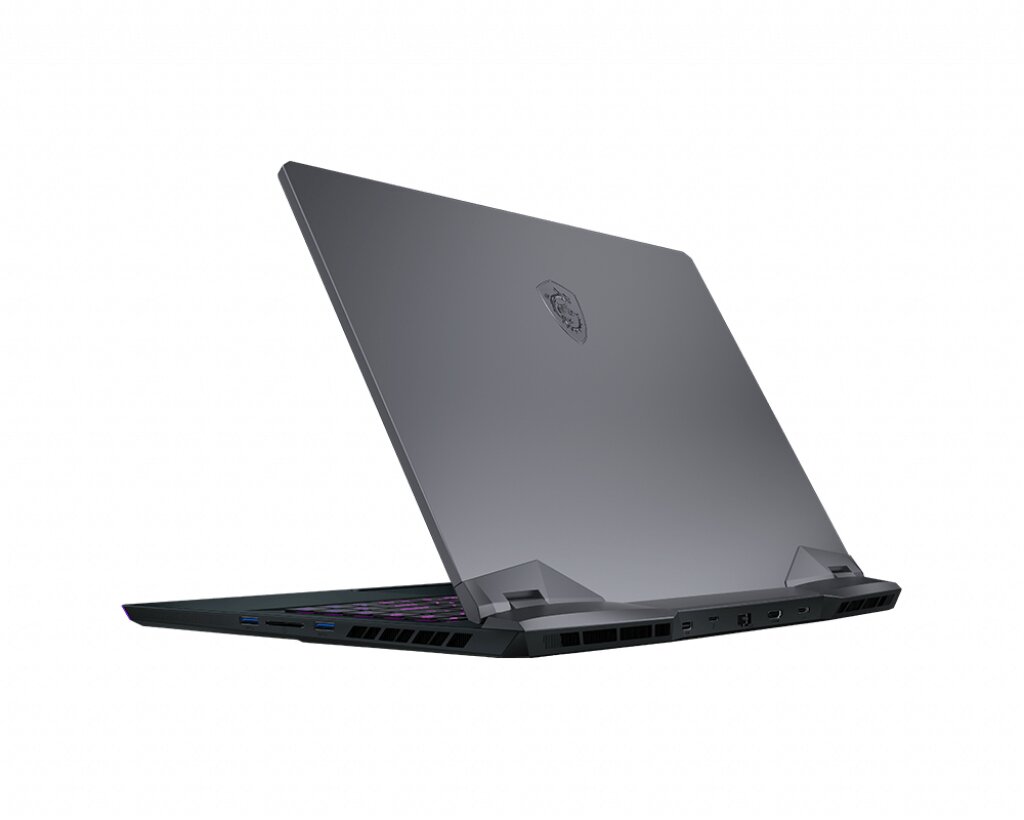
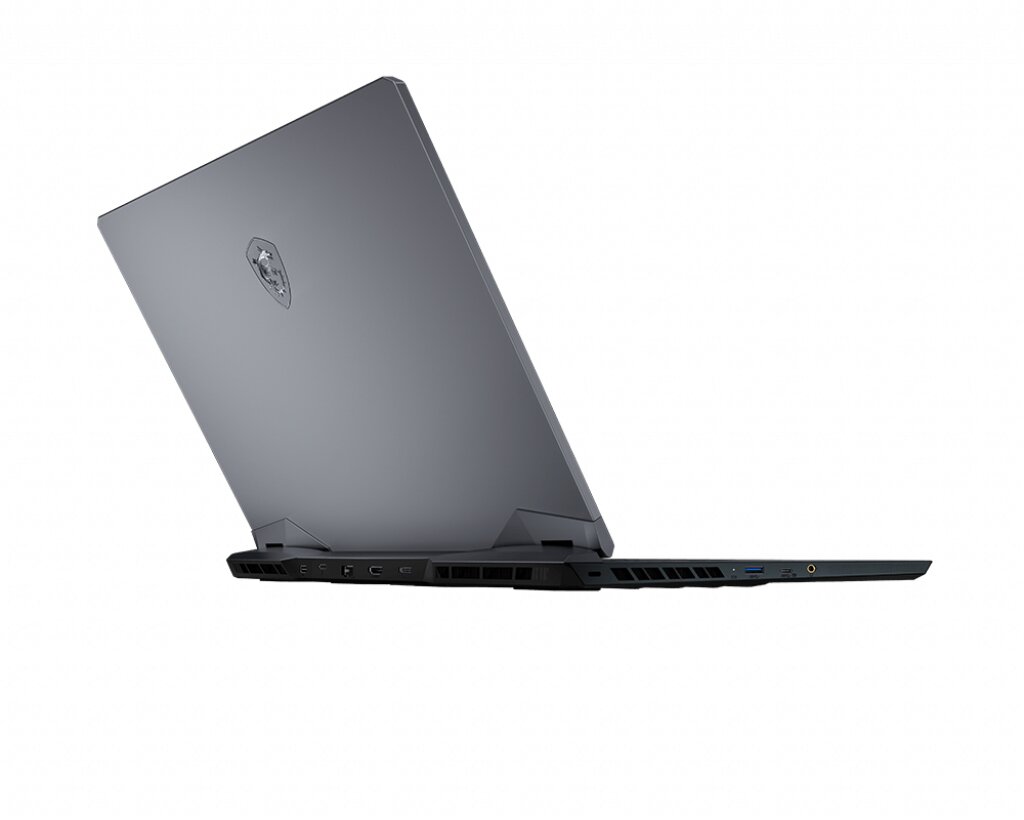
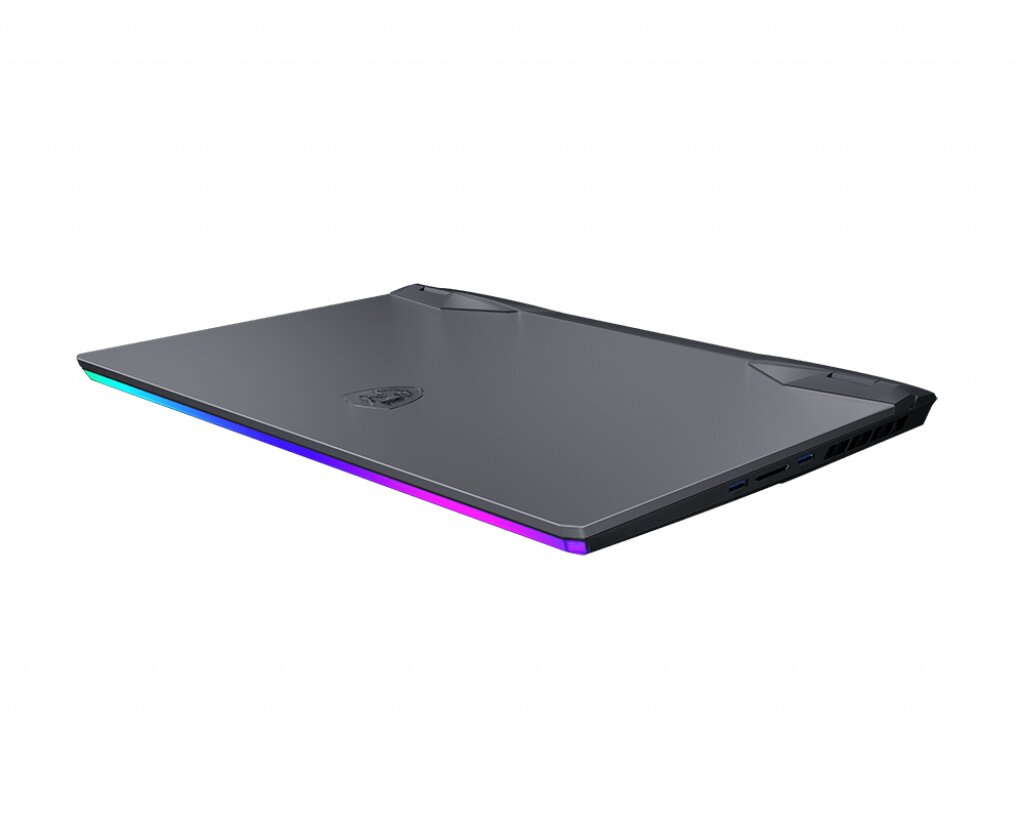
The MSI GE66 12UGS-010PT, part of the Gaming GE series, supports DDR5-SDRAM memory upgrades. The laptop features 2x SO-DIMM memory slots with a maximum RAM capacity of 64 GB. Compatible upgrades utilize SO-DIMM form factor modules operating at 4800 MHz frequency. Specifications indicate full memory upgrade support within DDR5 standard parameters for enhanced performance capabilities in gaming and professional applications.
Memory Upgrade Specifications
| Specification | Value |
|---|---|
| Memory slots | 2x SO-DIMM |
| Form factor | SO-DIMM |
| Memory type | DDR5-SDRAM |
| Frequency | 4800 MHz |
| Maximum RAM | 64 GB |
| Voltage | 1.1V |
| Number of pins | 262-pin |
| Interface | PC5 |
| PC Speed Rating | PC5-4800 (PC5-38400) |
| Bandwidth | 38.4 GB/s |
| Laptop Release date | 01 May 2022 |
Additional Notes
- The MSI GE66 12UGS-010PT requires DDR5 SO-DIMM modules, which are not backward compatible with DDR4, necessitating complete module replacement rather than mixed-generation configurations.
- The 64 GB maximum capacity limitation stems from chipset addressing constraints, restricting single-slot density to 32 GB modules regardless of higher-capacity module availability in the market.
- DDR5-4800 represents the JEDEC baseline specification, meaning modules rated at higher speeds will automatically downclock to 4800 MHz due to motherboard firmware constraints.
- The dual SO-DIMM configuration operates in dual-channel mode when populated with matched pairs, providing 76.8 GB/s theoretical bandwidth compared to 38.4 GB/s in single-channel operation with one module.
- SO-DIMM form factor physical dimensions measure 69.6 mm in length, distinguishing them from standard 133.35 mm DIMM modules used in desktop systems.
- DDR5 architecture implements on-die ECC for internal error correction, independent of registered/unbuffered module designation, though this differs from full server-grade ECC memory.
- Voltage requirements for DDR5 operate at 1.1V compared to DDR4's 1.2V specification, reducing power consumption but requiring compatible power delivery circuitry on the motherboard.
- Memory upgrade procedures typically preserve manufacturer warranty status as RAM replacement qualifies as user-serviceable maintenance, unlike soldered component modifications.
- The 4800 MHz effective transfer rate translates to a 2400 MHz base clock with double data rate technology, affecting latency calculations when comparing CAS timing specifications.
- Thermal considerations for DDR5 modules include integrated power management ICs that generate additional heat compared to DDR4, potentially requiring adequate chassis ventilation during sustained memory-intensive operations.