MSI Gaming GE66 12UGS-050AU Raider RAM upgrade specifications


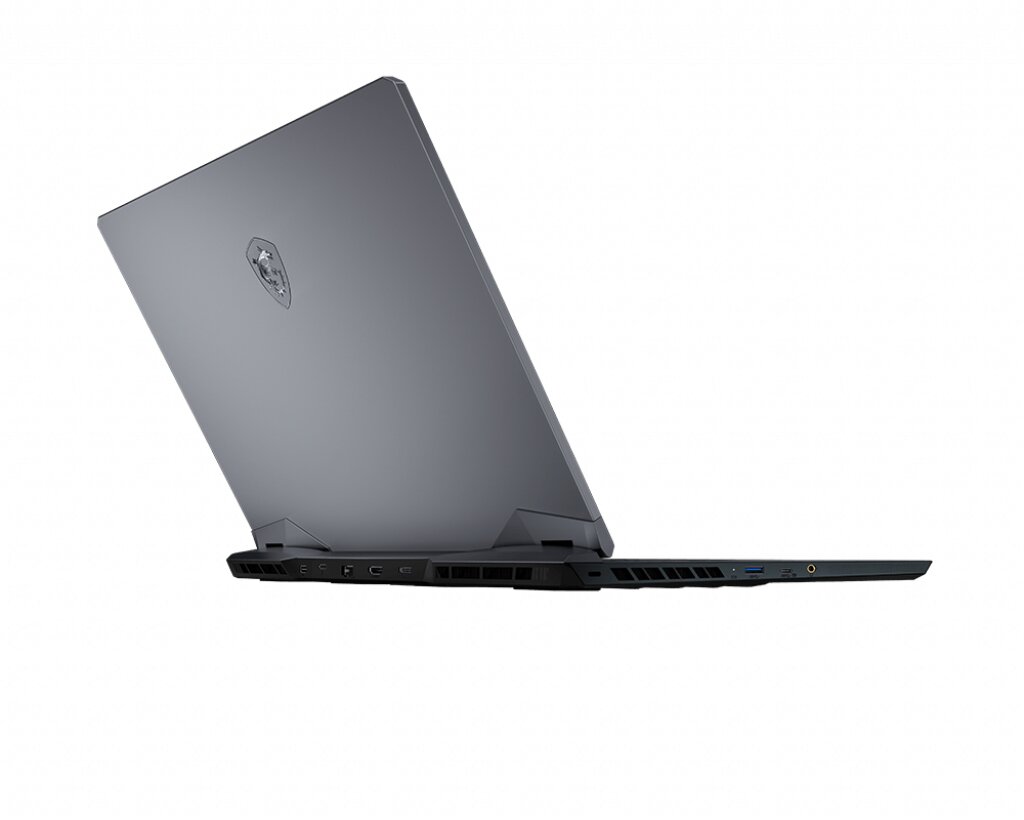
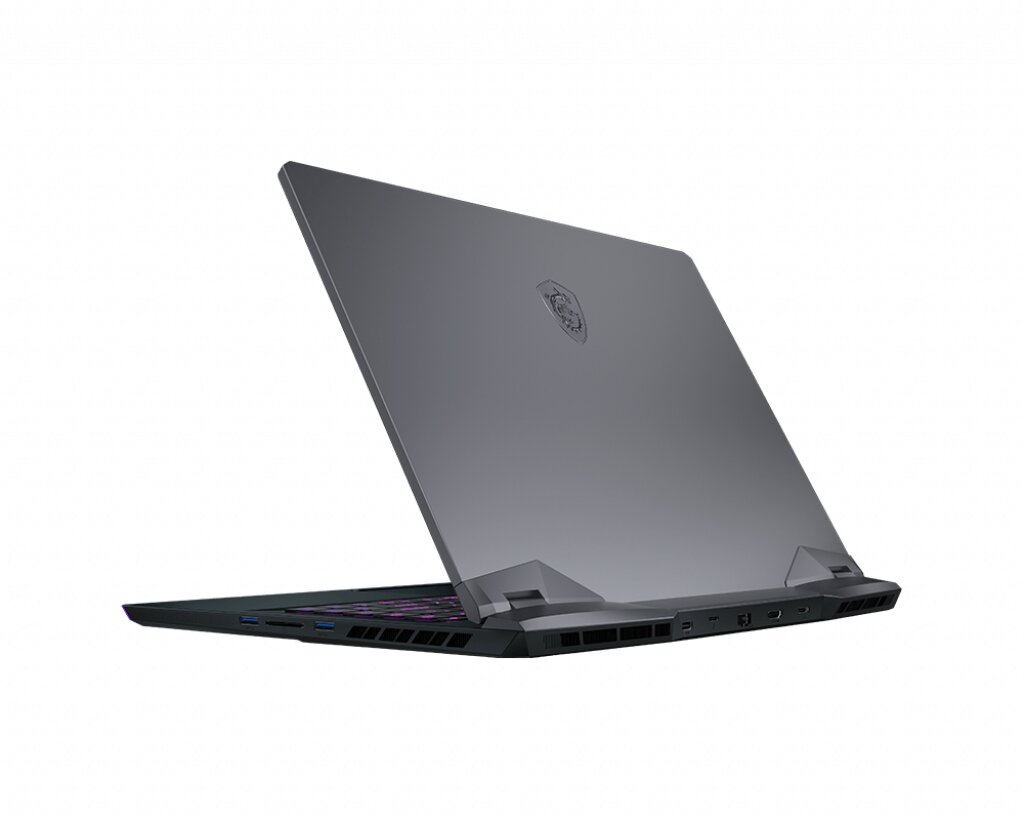
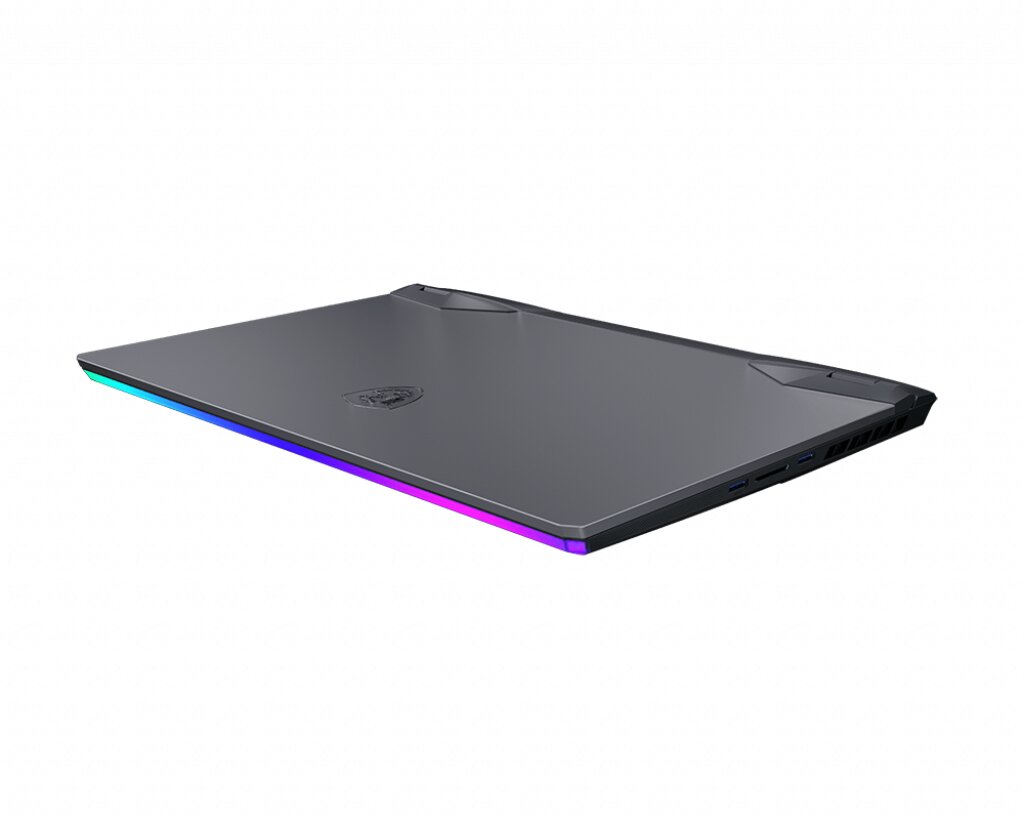
MSI GE66 12UGS-050AU Raider gaming laptop supports DDR5-SDRAM memory upgrades with two SO-DIMM slots. Maximum RAM capacity reaches 64 GB total. Compatible DDR5 memory operates at 4800 MHz frequency. Upgrade specifications enable high-performance memory configurations for enhanced multitasking and gaming performance. SO-DIMM form factor ensures compatibility with standard laptop memory modules. GE series Raider model accommodates substantial memory expansion for demanding applications and intensive workloads.
Memory Upgrade Specifications
| Specification | Value |
|---|---|
| Memory slots | 2x SO-DIMM |
| Form factor | SO-DIMM |
| Memory type | DDR5-SDRAM |
| Frequency | 4800 MHz |
| Maximum RAM | 64 GB |
| Voltage | 1.1V |
| Number of pins | 262-pin |
| Interface | PC5 |
| PC Speed Rating | PC5-4800 (PC5-38400) |
| Bandwidth | 38.4 GB/s |
| Laptop Release date | 05 January 2023 |
Additional Notes
- The MSI GE66 12UGS-050AU Raider utilizes DDR5 SO-DIMM architecture with a 4800 MHz native frequency, establishing a hard ceiling of 64 GB total capacity across 2 slots. Exceeding either specification requires complete module replacement rather than supplementation.
- DDR5-4800 modules operate at JEDEC standard specifications. Compatibility with faster XMP/DOCP profiles depends on BIOS revision and chipset controller support; verification against vendor documentation is required before purchasing higher-frequency variants.
- The 2-slot configuration necessitates symmetric dual-channel population for optimal memory bandwidth delivery. Populating single slots or mismatched capacities may result in single-channel operation, reducing effective bandwidth by approximately 50 percent.
- SO-DIMM form factor requires extraction of the existing memory modules and removal of the keyboard/palmrest assembly for access. This procedure falls outside typical warranty coverage if performed by end users; manufacturer service remains the warranty-safe upgrade path.
- DDR5 modules consume significantly more power per gigabyte than DDR4 predecessors. Thermal management during sustained workloads may shift, particularly if upgrading from lower-frequency or lower-capacity configurations to the maximum 64 GB capacity.
- Latency characteristics of DDR5-4800 modules typically range between CAS 38-42, creating a potential performance tradeoff against DDR4 modules operating at lower latency values. Gaming workload sensitivity to this differential remains marginal in most scenarios.