MSI Gaming GE66 12UGS-238 Raider RAM upgrade specifications



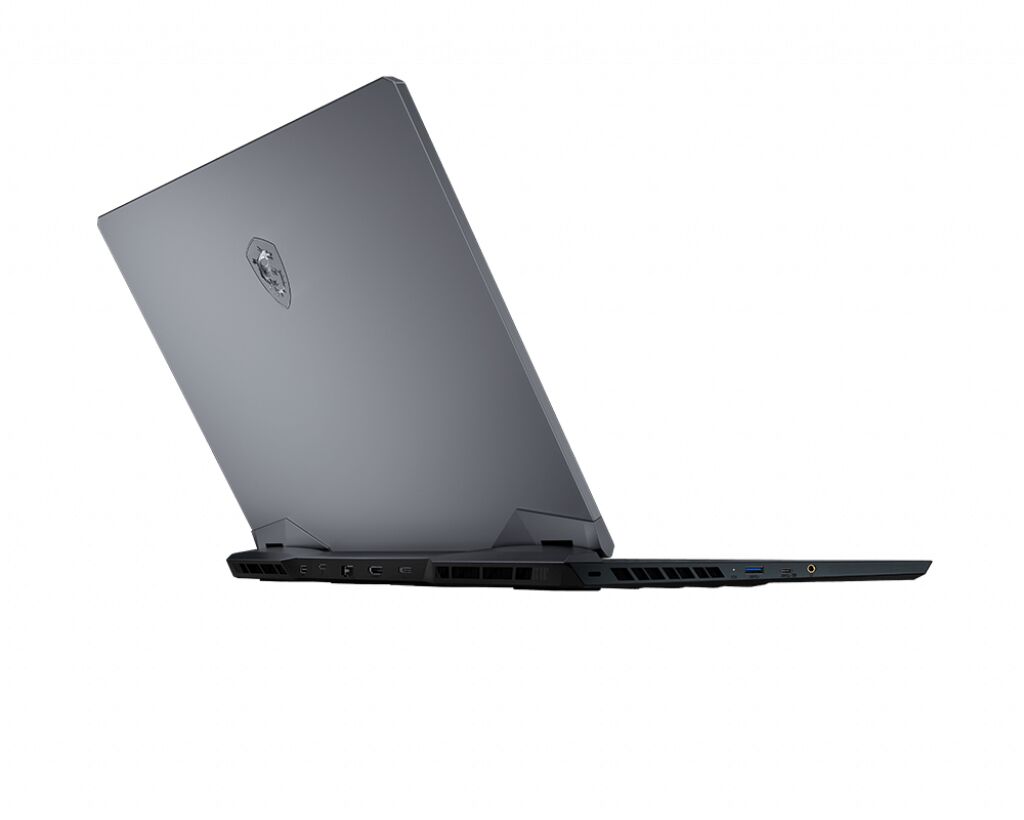
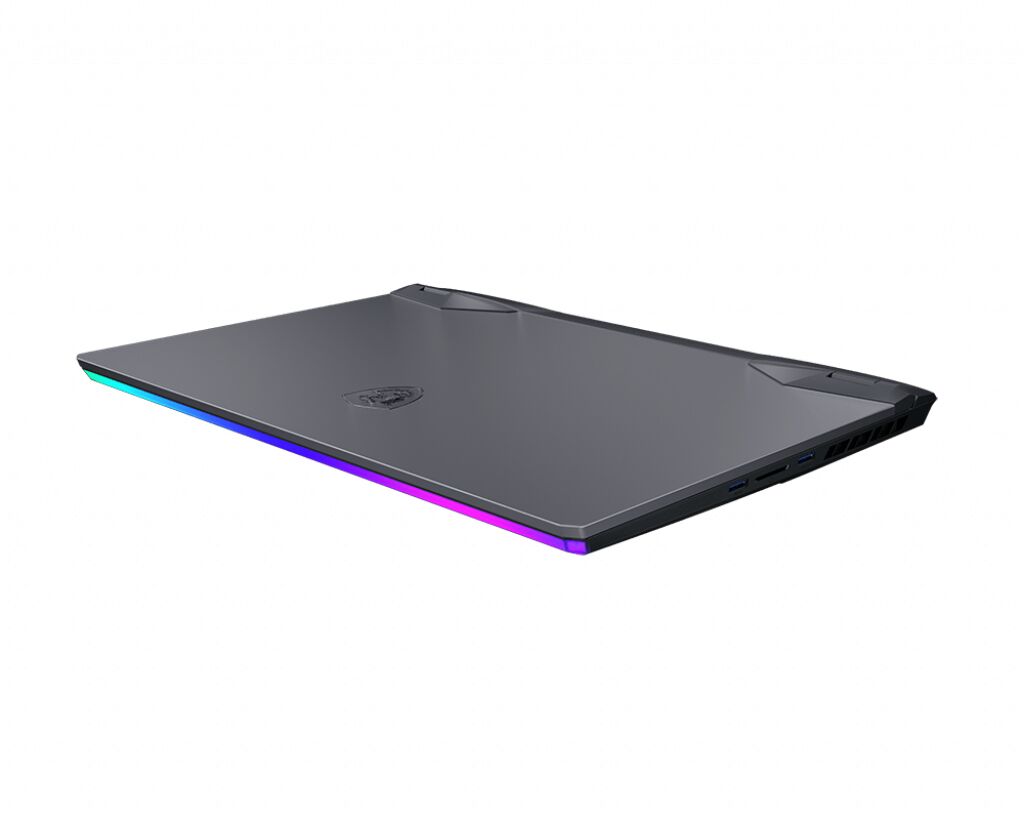
The MSI GE66 12UGS-238 Raider gaming laptop supports DDR5-SDRAM memory upgrades across 2x SO-DIMM slots. Maximum RAM capacity reaches 64 GB total, with compatible modules operating at 4800 MHz frequency. Memory specifications use SO-DIMM form factor, enabling straightforward upgrade configurations for enhanced multitasking and gaming performance on the GE series platform.
Memory Upgrade Specifications
| Specification | Value |
|---|---|
| Memory slots | 2x SO-DIMM |
| Form factor | SO-DIMM |
| Memory type | DDR5-SDRAM |
| Frequency | 4800 MHz |
| Maximum RAM | 64 GB |
| Voltage | 1.1V |
| Number of pins | 262-pin |
| Interface | PC5 |
| PC Speed Rating | PC5-4800 (PC5-38400) |
| Bandwidth | 38.4 GB/s |
| Laptop Release date | 14 January 2022 |
Additional Notes
- The presence of 2 SO-DIMM slots in the MSI GE66 12UGS-238 Raider necessitates the removal of existing modules to reach maximum capacity because no memory is soldered to the mother board.
- Operating at 4800 MHz on a DDR5 architecture provides significantly higher memory bandwidth compared to previous generations, reducing data processing bottlenecks in elective multithreaded workflows.
- Standard DDR5 SO-DIMM modules utilize on-die Error Correction Code which improves system stability during high frequency operations without requiring specialized workstation hardware.
- Power management is handled directly on the memory module via an integrated circuit which allows for more granular voltage control but increases the thermal footprint of the RAM during intensive tasks.
- Reaching the 64 GB threshold requires the installation of 2 identical 32 GB modules to maintain dual channel symmetry and prevent performance degradation caused by mismatched latencies.
- Physical access to the memory slots involves removing the base chassis cover which may require specialized tools to avoid damaging the plastic clips or the thermal assembly.
- The 4800 MHz frequency serves as a hardware ceiling where installing higher rated modules will result in automatic downclocking to match the motherboard firmware limitations.