MSI Gaming GE66 12UH-086FR Raider RAM upgrade specifications
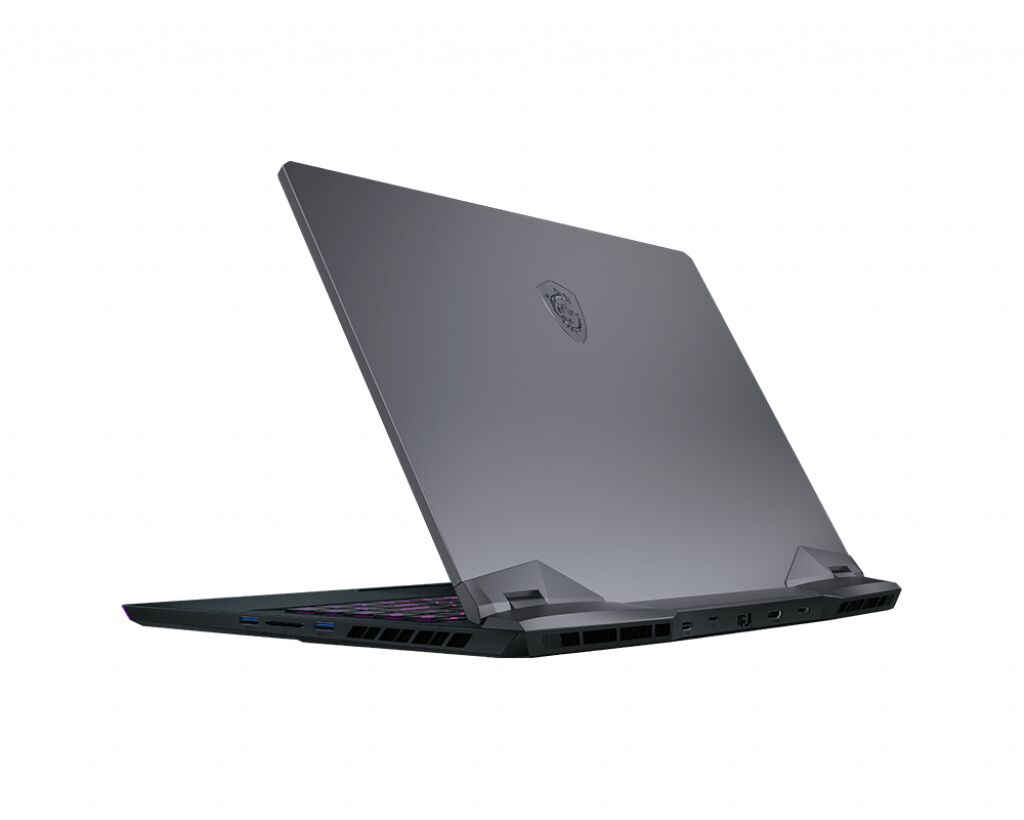


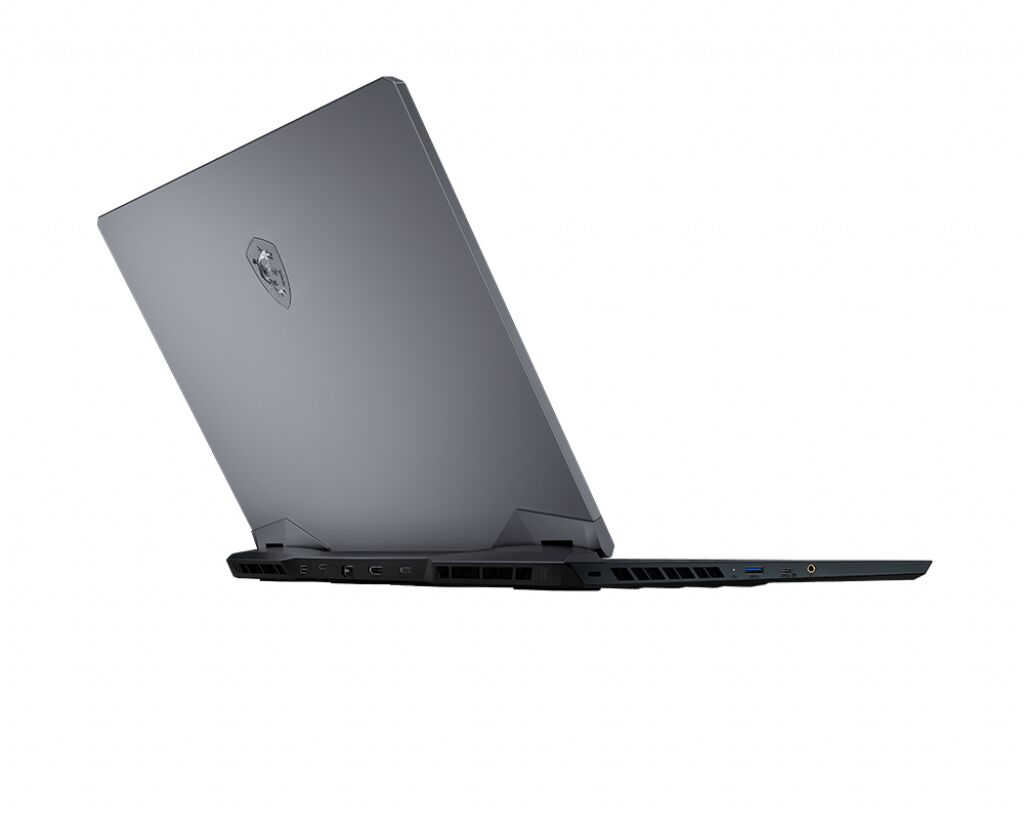
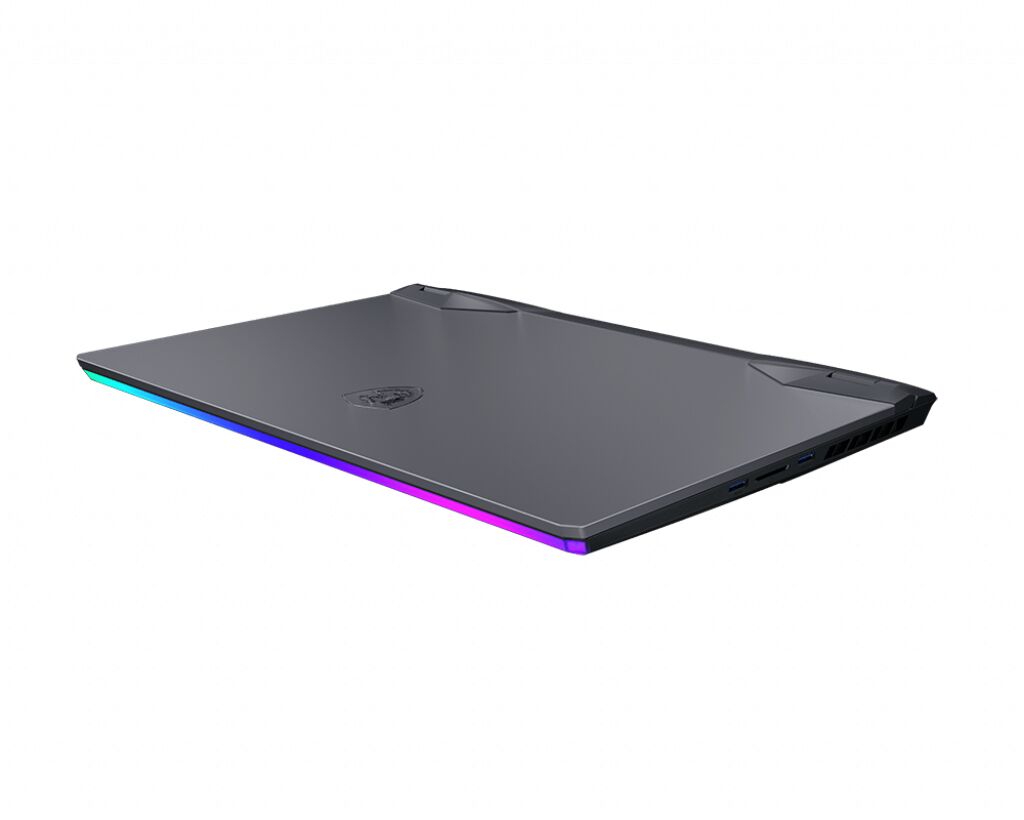
The MSI GE66 12UH-086FR Raider gaming laptop supports DDR5-SDRAM memory upgrades with a maximum capacity of 64 GB. The system features 2 SO-DIMM slots for RAM installation, with compatible modules operating at 4800 MHz frequency. Specifications enable users to expand memory configurations in the GE series gaming family through compatible DDR5 upgrades to achieve enhanced multitasking performance.
Memory Upgrade Specifications
| Specification | Value |
|---|---|
| Memory slots | 2x SO-DIMM |
| Form factor | SO-DIMM |
| Memory type | DDR5-SDRAM |
| Frequency | 4800 MHz |
| Maximum RAM | 64 GB |
| Voltage | 1.1V |
| Number of pins | 262-pin |
| Interface | PC5 |
| PC Speed Rating | PC5-4800 (PC5-38400) |
| Bandwidth | 38.4 GB/s |
| Laptop Release date | 16 March 2022 |
Additional Notes
- The MSI GE66 12UH-086FR Raider supports DDR5 modules exclusively, preventing the use of any DDR4 memory regardless of physical compatibility attempts.
- DDR5 SO-DIMM modules operating at 4800 MHz transfer data at 38.4 GB/s per module in single-channel configuration, doubling to 76.8 GB/s when both slots are populated with matched modules.
- Installing a single module forces single-channel operation, reducing memory bandwidth by approximately 50% compared to dual-channel configuration, which may impact frame rates in memory-intensive applications.
- The 64 GB maximum capacity constraint limits configurations to either 2x32 GB modules, preventing the use of higher-density modules if they become available in the future.
- DDR5 modules running below 4800 MHz will function but may not utilize the full bandwidth potential of the memory controller, while modules rated above 4800 MHz may be underclocked to match the supported frequency.
- SO-DIMM form factor modules measure 67.6 mm in length, significantly shorter than standard DIMM modules used in desktop systems, making desktop memory physically incompatible.
- The 2-slot configuration requires complete removal of existing modules when upgrading to higher capacities, as no additional expansion slots are available.
- DDR5 modules operate at 1.1V compared to DDR4's 1.2V, contributing to lower power consumption but requiring voltage-compatible memory controllers found in 12th generation or newer Intel platforms.
- Memory running at 4800 MHz produces a CAS latency window that varies by module specification, with tighter timings (CL38-40) offering marginal performance improvements over looser timings (CL42-46) in latency-sensitive workloads.
- Mixing modules with different speeds or capacities typically forces all modules to operate at the lowest common frequency and timing specifications, potentially negating the benefits of higher-rated modules.
- DDR5's on-die ECC feature operates independently of system-level ECC support, providing error correction within the module itself without requiring specific motherboard capabilities.
- The SO-DIMM slot mechanism requires precise insertion angle and firm pressure to seat modules correctly, with improper installation potentially preventing POST completion or causing intermittent stability issues.
- Thermal considerations become relevant when running sustained memory-intensive workloads, as DDR5 modules generate more heat than DDR4 counterparts, though laptop chassis cooling typically addresses this through shared airflow paths.
- Accessing memory slots in most gaming laptops requires bottom panel removal, which may involve disengaging multiple screw types and cable disconnections that could affect warranty status if not performed according to manufacturer guidelines.
- Module compatibility extends beyond frequency matching to include manufacturer-specific XMP or EXPO profiles, which may not activate automatically in laptop BIOS implementations compared to desktop motherboards.