MSI Gaming GE66 Raider 10UG-213FR RAM upgrade specifications

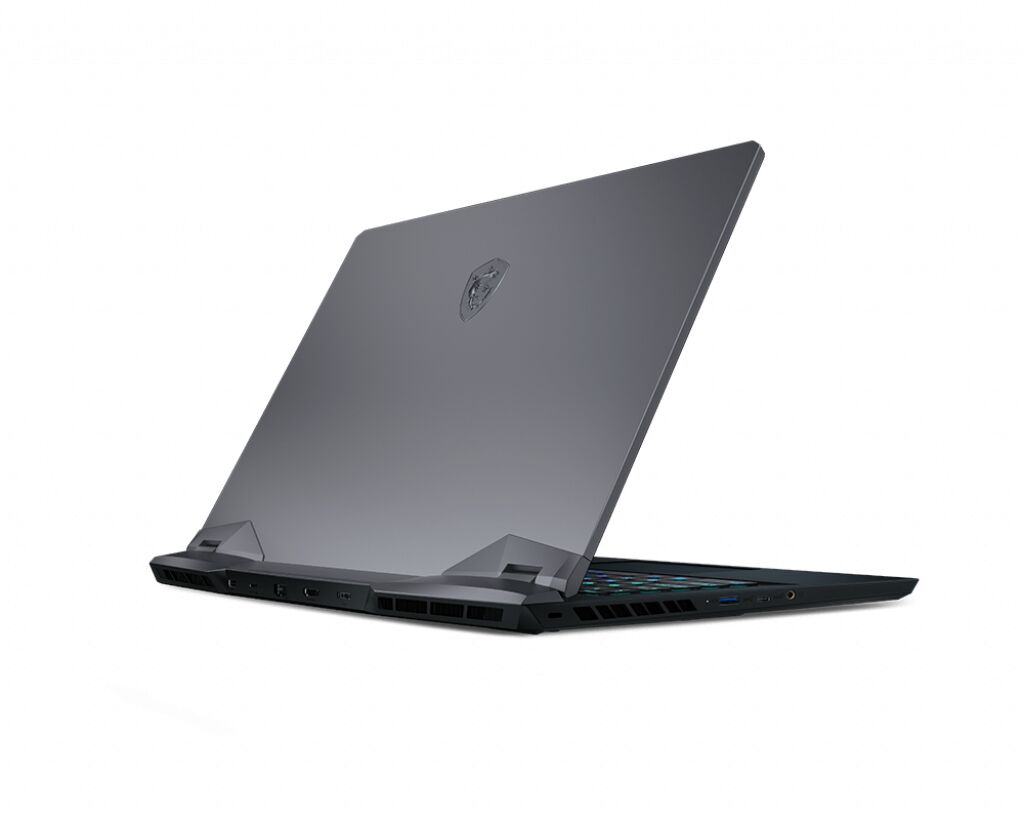
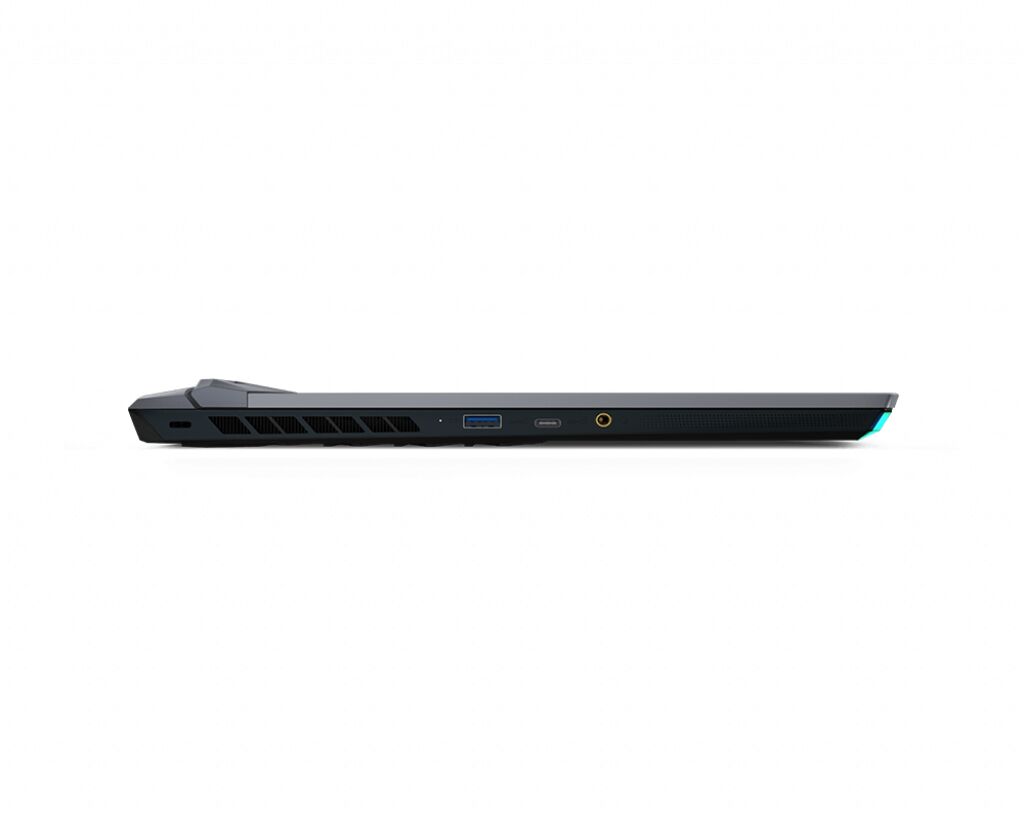
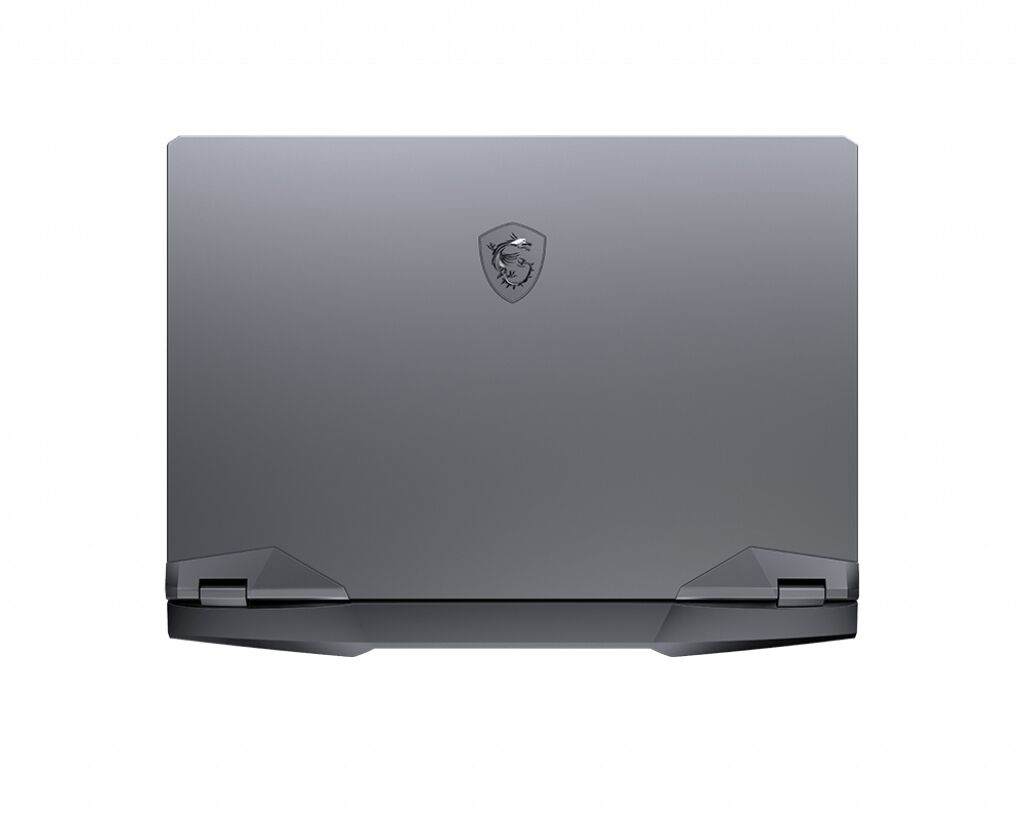
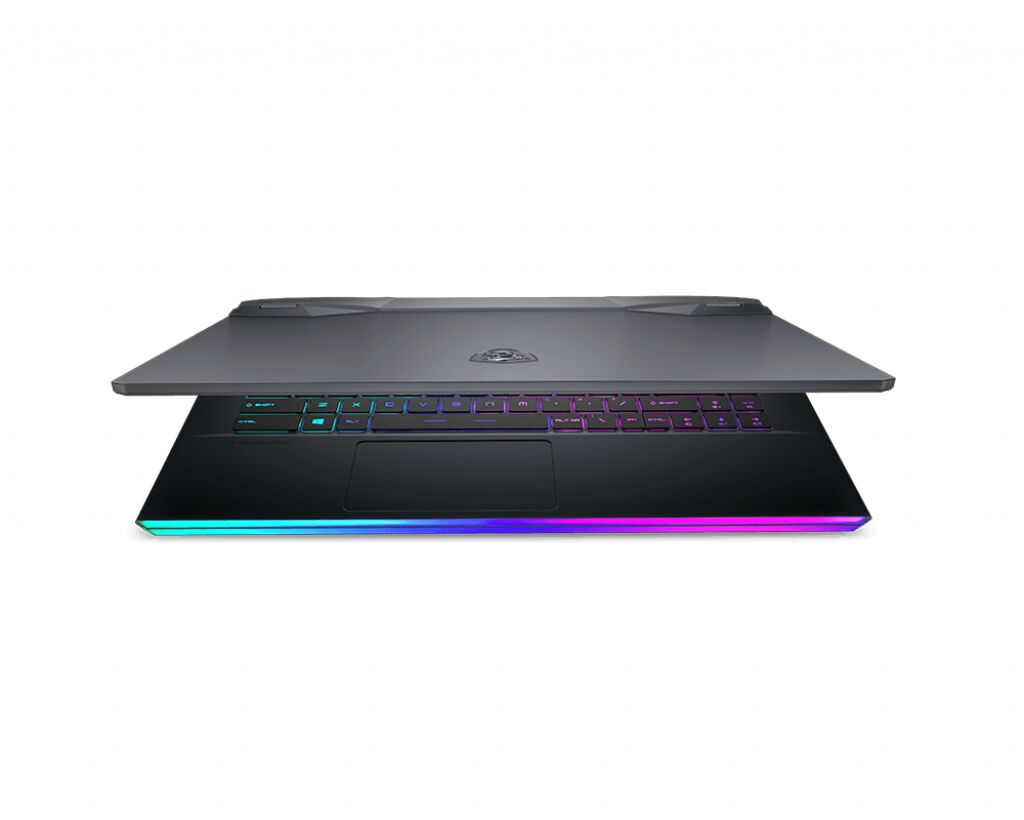
MSI GE66 Raider 10UG-213FR gaming laptop features DDR4-SDRAM memory upgrade specifications with 2x SO-DIMM slots supporting maximum RAM capacity of 64 GB. Compatible memory modules operate at 3200 MHz frequency with SO-DIMM form factor. Upgrade slots accommodate standard DDR4 specifications for performance enhancement in the GE series gaming platform.
Memory Upgrade Specifications
| Specification | Value |
|---|---|
| Memory slots | 2x SO-DIMM |
| Form factor | SO-DIMM |
| Memory type | DDR4-SDRAM |
| Frequency | 3200 MHz |
| Maximum RAM | 64 GB |
| Voltage | 1.2V |
| Number of pins | 260-pin |
| Interface | PC4 |
| PC Speed Rating | PC4-3200 (PC4-25600) |
| Bandwidth | 25.6 GB/s |
| Laptop Release date | 04 February 2021 |
Additional Notes
- The dual-channel architecture requires matches in density and rank between both slots to maintain optimal memory controller efficiency and avoid data throughput degradation.
- Utilizing the maximum 64 GB capacity on the MSI GE66 Raider 10UG-213FR necessitates the removal of all factory-installed modules because no additional unoccupied slots exist for expansion.
- The 3200 MHz frequency ceiling is tied to the internal processor memory controller and motherboard chipset capabilities, meaning modules with higher rated speeds will downclock to this specified limit.
- Physical access to the SO-DIMM slots requires the removal of the entire lower chassis plate which involves penetrating a factory seal sticker that impacts warranty terms in specific regional jurisdictions.
- Latency performance depends on the internal SPD profiles of the replacement modules as the system firmware may lack manual XMP adjustment options for aftermarket RAM.
- The use of high-density 32 GB modules to reach the maximum threshold exerts additional thermal pressure on the surrounding motherboard components during sustained high-load gaming or rendering tasks.
- The SO-DIMM form factor restricts the hardware to 260-pin modules which are physically incompatible with older DDR3 or newer DDR5 hardware standards.