MSI Gaming GE72VR 7RF(Apache Pro)-272NE RAM upgrade specifications

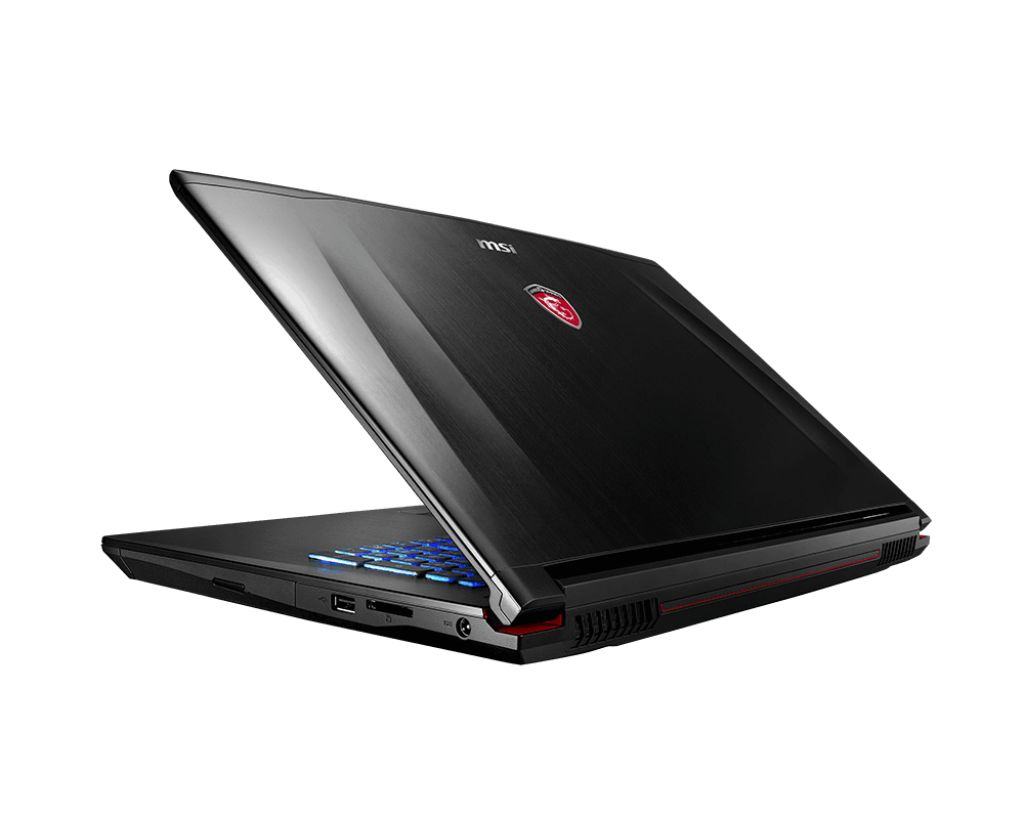


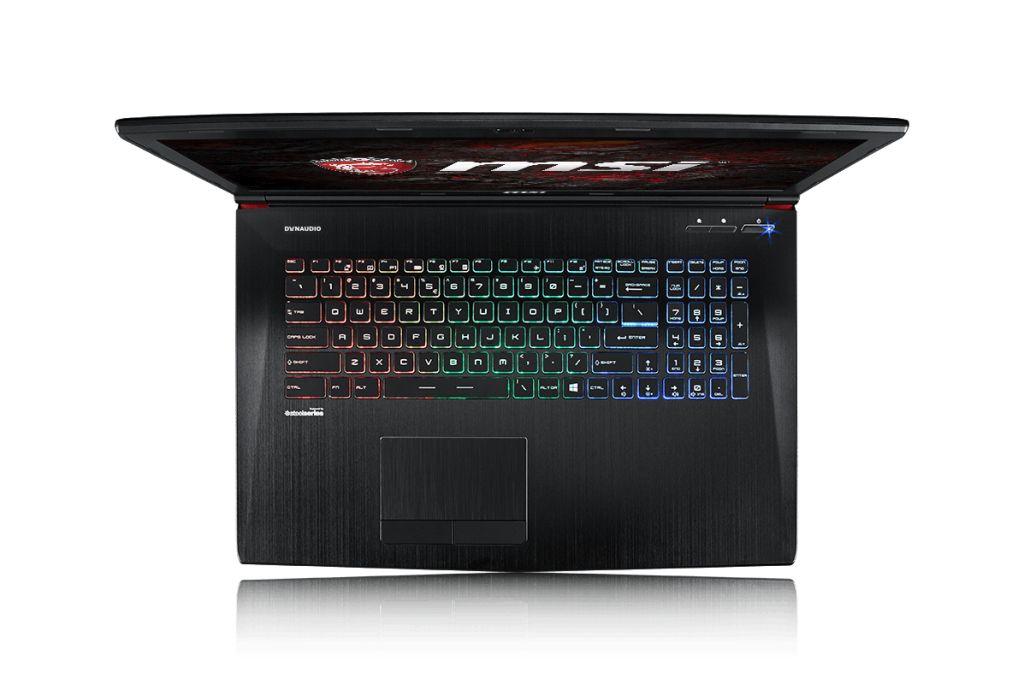
MSI GE72VR 7RF(Apache Pro)-272NE gaming laptop supports DDR4-SDRAM memory upgrades through two SO-DIMM slots. Maximum RAM capacity reaches 32 GB total. Compatible memory operates at 2400 MHz frequency. Current upgrade specifications enable users to expand system memory using DDR4 SO-DIMM modules. Gaming series specifications support memory expansion for enhanced multitasking and performance capabilities.
Memory Upgrade Specifications
| Specification | Value |
|---|---|
| Memory slots | 2x SO-DIMM |
| Form factor | SO-DIMM |
| Memory type | DDR4-SDRAM |
| Frequency | 2400 MHz |
| Maximum RAM | 32 GB |
| Voltage | 1.2V |
| Number of pins | 260-pin |
| Interface | PC4 |
| PC Speed Rating | PC4-2400 (PC4-19200) |
| Bandwidth | 19.2 GB/s |
| Laptop Release date | 10 January 2017 |
Additional Notes
- The MSI GE72VR 7RF Apache Pro-272NE requires small outline modules rather than full-size desktop memory sticks, which eliminates cross-platform RAM reuse from standard tower systems.
- Installing matched pairs in both available slots enables dual-channel operation, doubling memory bandwidth compared to single-stick configurations.
- The 32 GB ceiling requires a 16 GB module in each slot, preventing partial upgrades with mixed capacities if future expansion beyond 16 GB total is anticipated.
- DDR4-2400 represents the validated speed specification, though faster modules may physically install but operate at reduced clock rates due to chipset limitations.
- Seventh-generation Intel mobile platforms typically restrict RAM voltage to 1.2V standard specifications, making low-voltage or overclocking modules incompatible despite matching physical dimensions.
- Accessing the memory compartment through the bottom service panel maintains warranty coverage, unlike CPU or GPU modifications that typically void manufacturer protections.
- Non-ECC unbuffered modules remain the only compatible architecture, as gaming-focused chipsets lack error-correction circuitry found in workstation platforms.
- Mixing different module densities across slots forces the memory controller to operate at the lowest common specifications, degrading performance versus matched pairs.
- The absence of additional expansion slots means the initial upgrade represents the final memory configuration for the system's operational lifespan.