MSI Gaming GE75 10SFS-071CN Raider RAM upgrade specifications



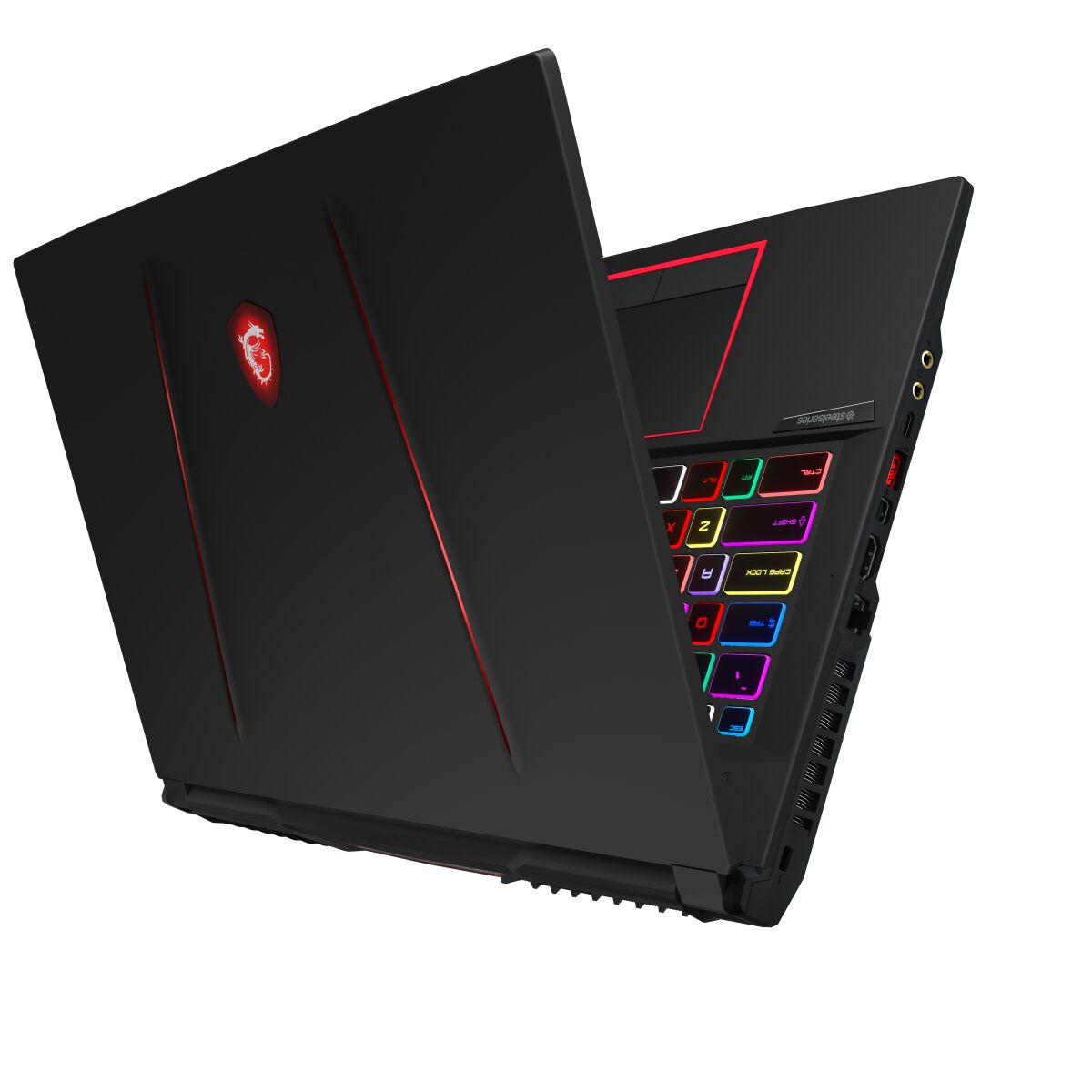

The MSI GE75 10SFS-071CN Raider gaming laptop features DDR4-SDRAM memory upgrades with 2x SO-DIMM slots. Maximum compatible RAM capacity reaches 64 GB total. Memory specifications include DDR4 technology operating at 2666 MHz frequency. SO-DIMM form factor modules are required for upgrade compatibility. MSI GE Series Raider models support memory expansion configurations for enhanced multitasking and performance capabilities.
Memory Upgrade Specifications
| Specification | Value |
|---|---|
| Memory slots | 2x SO-DIMM |
| Form factor | SO-DIMM |
| Memory type | DDR4-SDRAM |
| Frequency | 2666 MHz |
| Maximum RAM | 64 GB |
| Voltage | 1.2V |
| Number of pins | 260-pin |
| Interface | PC4 |
| PC Speed Rating | PC4-2666 (PC4-21328) |
| Bandwidth | 21.3 GB/s |
| Laptop Release date | 16 June 2020 |
Additional Notes
- The MSI GE75 10SFS-071CN Raider's 2x SO-DIMM configuration means both memory slots must be populated to achieve rated bandwidth; a single module operates in single-channel mode, reducing effective memory throughput by approximately 50 percent regardless of capacity.
- DDR4-2666 MHz represents older generation memory timing; current gaming workloads and content creation software often optimize for DDR4-3000 or faster, creating a performance latency gap that cannot be closed through firmware updates on this platform.
- The 64 GB ceiling limits upgrade scenarios where systems run memory-intensive virtualization, large dataset processing, or heavily modded game environments; expansion beyond this point requires external storage solutions or hardware replacement.
- SO-DIMM form factor restricts replacement options to laptop-specific modules; desktop DDR4 modules are physically incompatible and cannot be adapted through mechanical means.
- Warranty considerations exist if the system was serviced at an authorized MSI center; third-party RAM installation typically requires documented proof of identical specifications to maintain coverage on unrelated components.
- Dual-slot architecture with no hidden third slot means users cannot keep original modules installed while adding capacity; both existing modules must be removed during any memory expansion procedure.