MSI Gaming GE75 10SFS-225 Raider RAM upgrade specifications
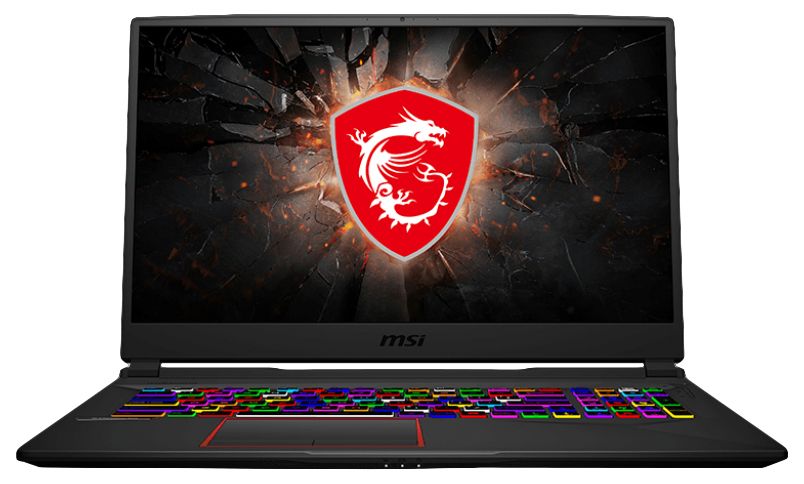
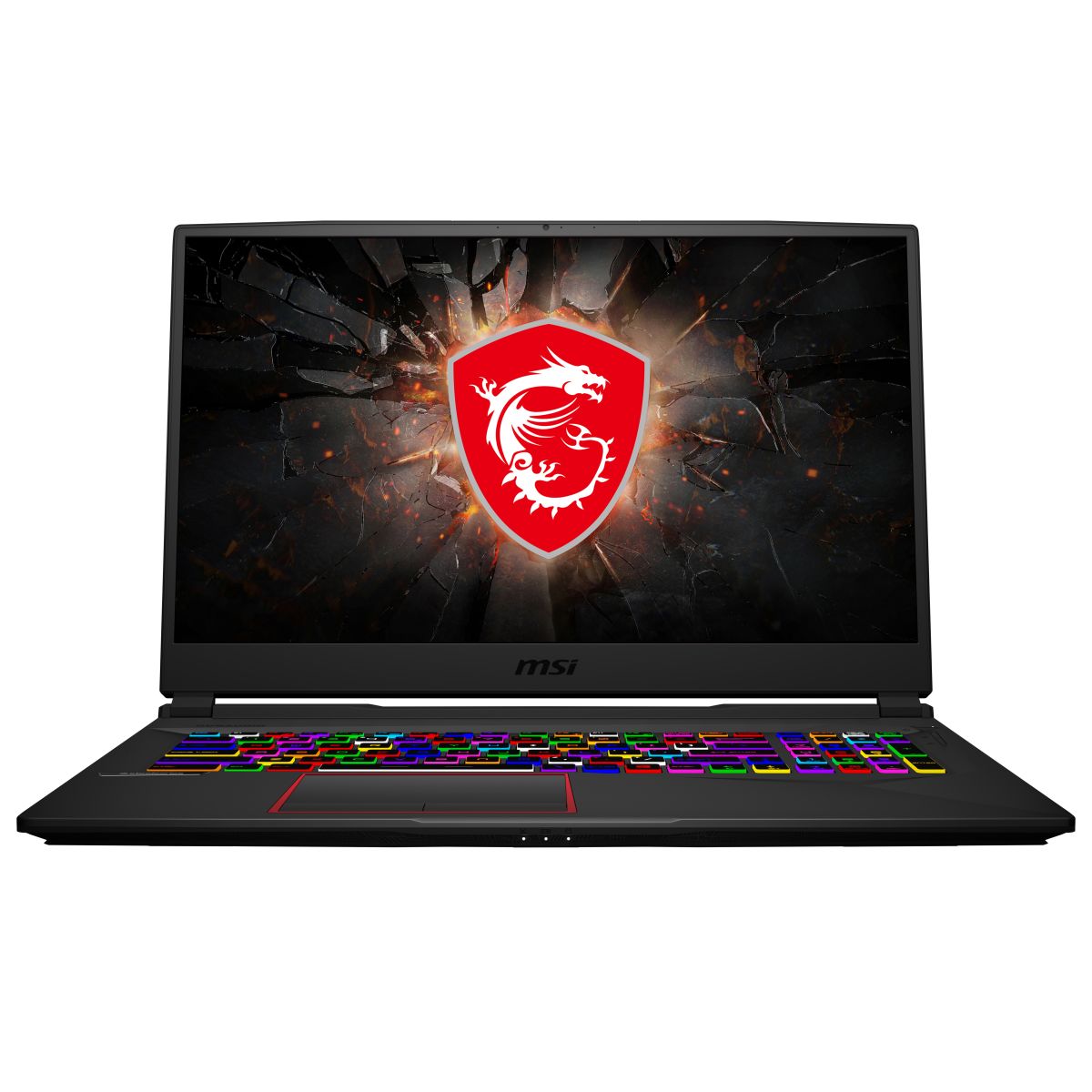
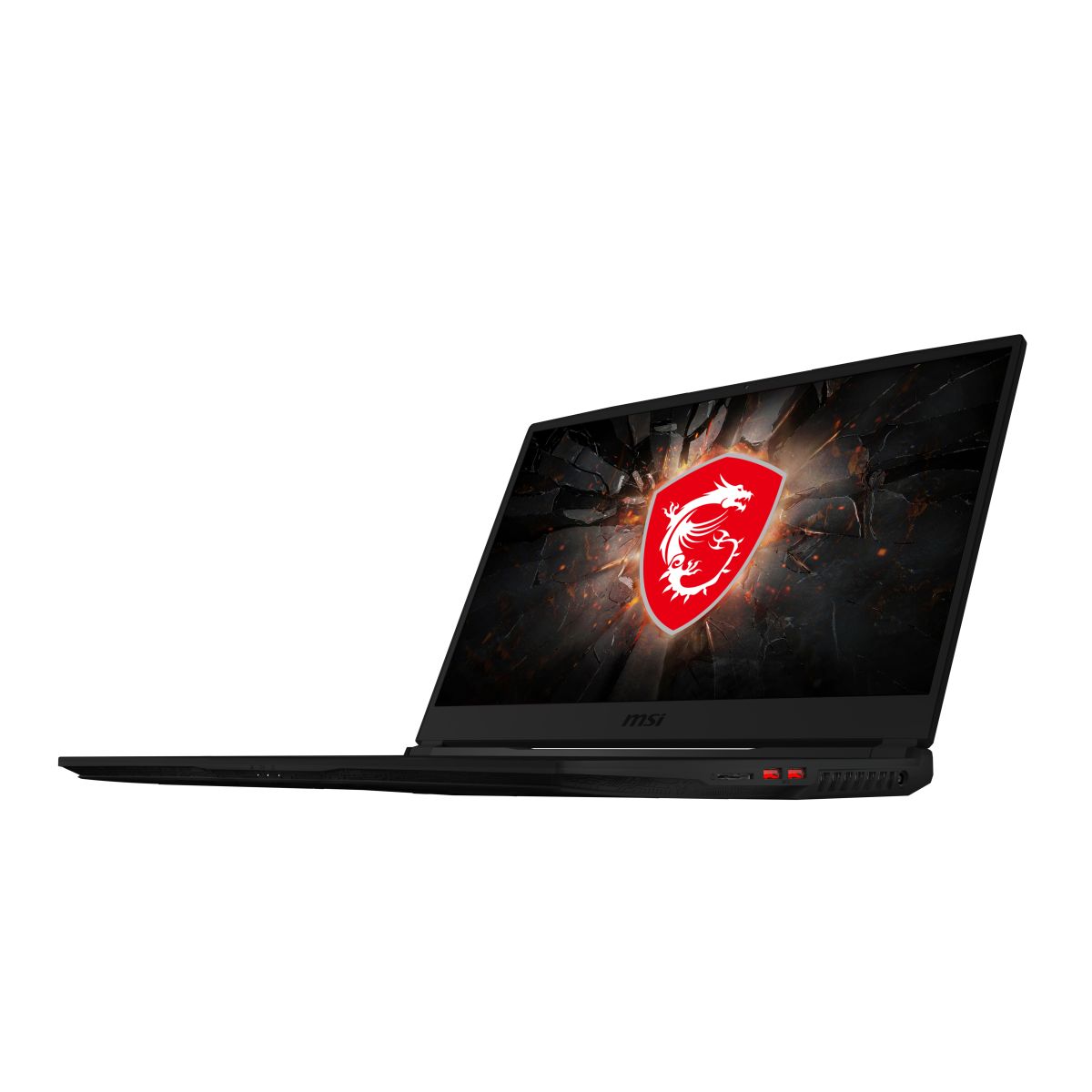
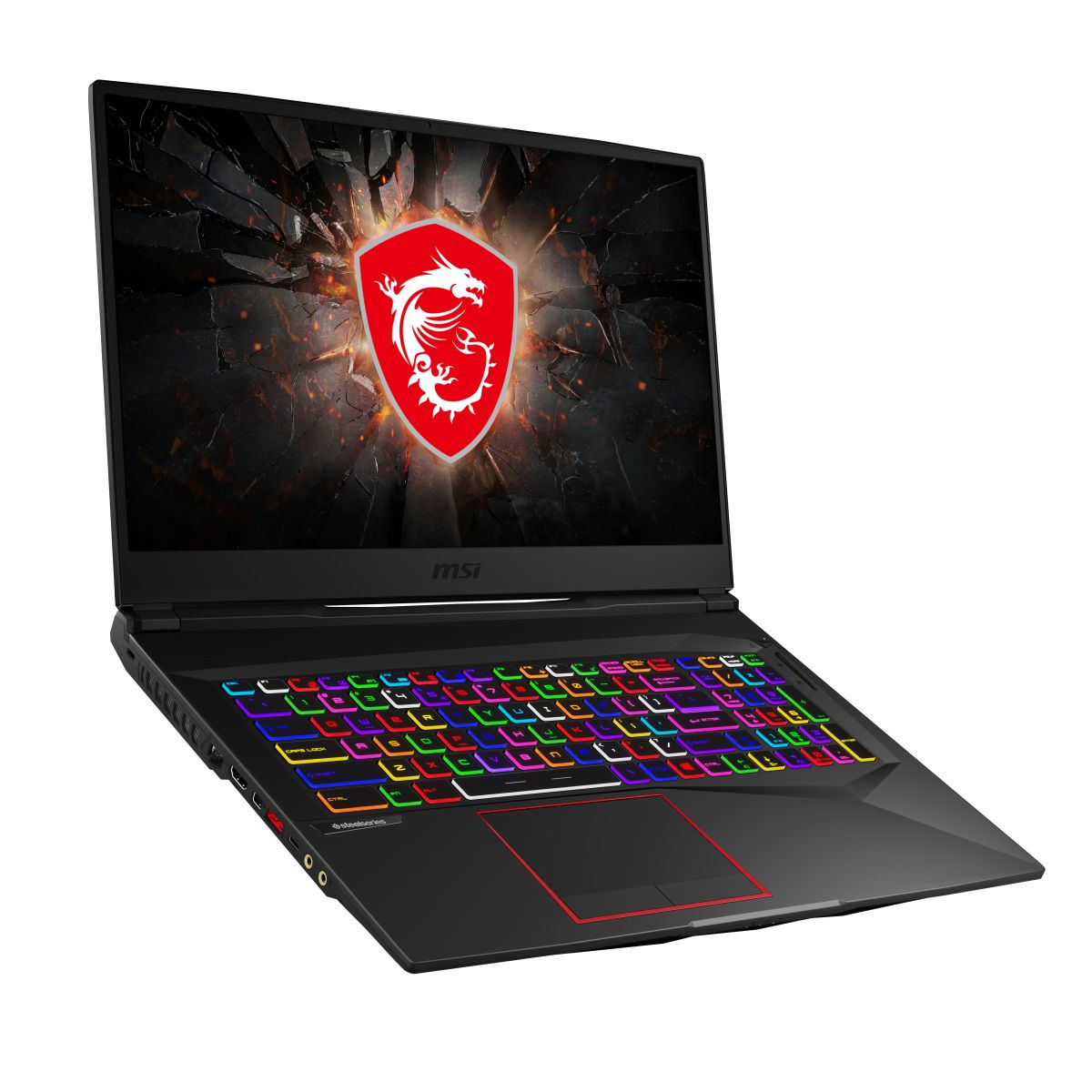
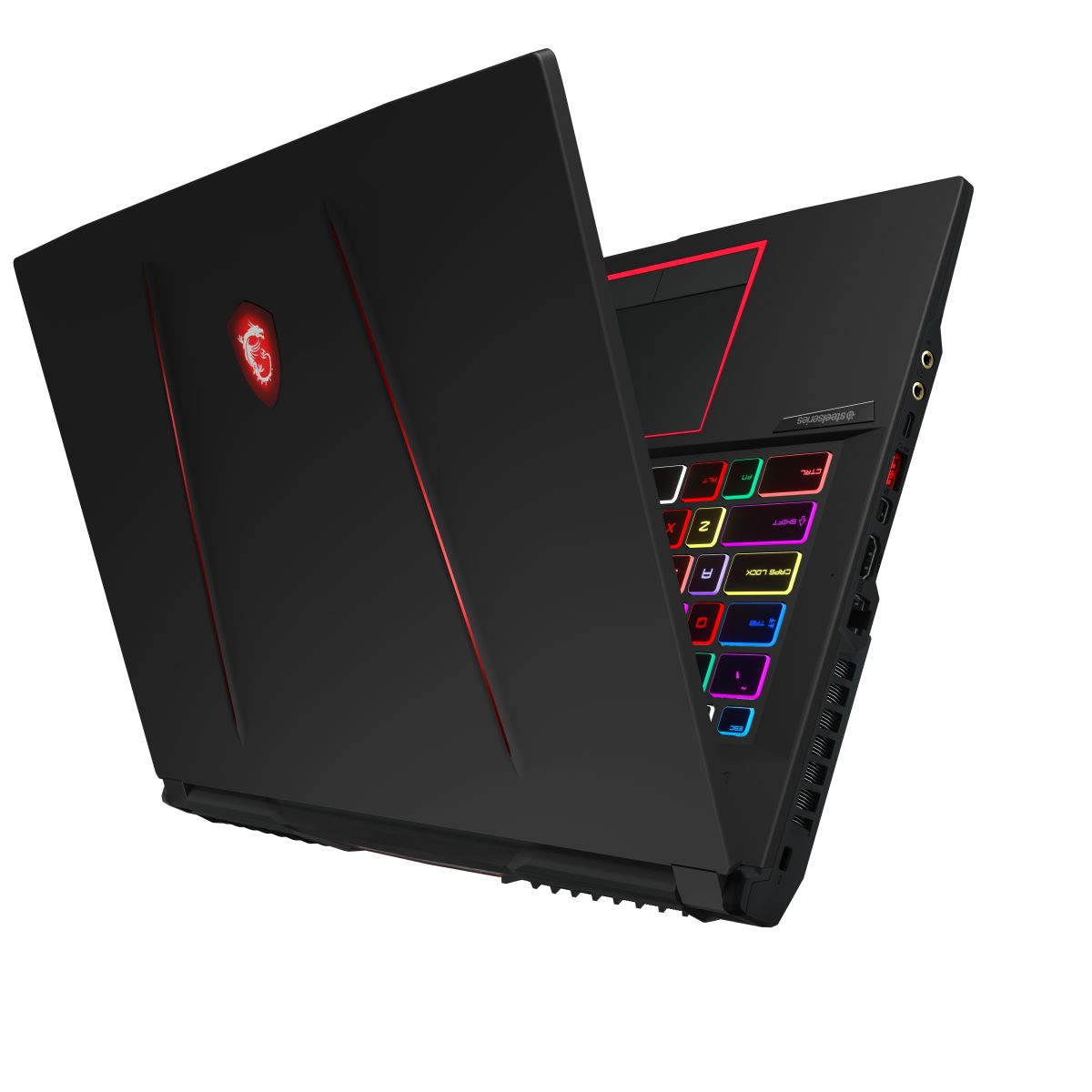
MSI GE75 10SFS-225 Raider gaming laptop supports DDR4-SDRAM memory upgrades with two SO-DIMM slots. Maximum memory capacity reaches 64 GB total. Compatible RAM operates at 2666 MHz frequency. Upgrade specifications accommodate SO-DIMM form factor modules. Current memory slots allow dual-channel configuration for optimal performance. Laptop specifications support memory expansion to meet demanding gaming and professional applications requirements.
Memory Upgrade Specifications
| Specification | Value |
|---|---|
| Memory slots | 2x SO-DIMM |
| Form factor | SO-DIMM |
| Memory type | DDR4-SDRAM |
| Frequency | 2666 MHz |
| Maximum RAM | 64 GB |
| Voltage | 1.2V |
| Number of pins | 260-pin |
| Interface | PC4 |
| PC Speed Rating | PC4-2666 (PC4-21328) |
| Bandwidth | 21.3 GB/s |
| Laptop Release date | 13 April 2020 |
Additional Notes
- The MSI GE75 10SFS-225 Raider uses 2 dual-channel SO-DIMM slots, meaning both slots must be populated simultaneously to achieve rated dual-channel bandwidth; populating only 1 slot forces single-channel operation and reduces memory throughput by approximately 50 percent.
- DDR4-2666 MHz represents the JEDEC standard for this generation, but the platform supports higher frequencies through Intel XMP profiles; aftermarket DDR4-3000 or DDR4-3200 modules will operate at 2666 MHz unless manually overclocked through BIOS, eliminating the speed advantage of premium memory.
- The 64 GB capacity ceiling indicates a maximum of 2x32 GB SO-DIMM modules; upgrading beyond 32 GB per slot requires replacing both existing modules entirely, not adding a third or fourth stick.
- SO-DIMM form factor restricts upgrade options to laptop-specific memory; desktop DDR4 UDIMM modules are physically incompatible and cannot be forced into the slots without component damage.
- Adding memory beyond 32 GB total (such as 40 GB or 48 GB configurations) may trigger stability issues or BIOS recognition failures on this model; warranty-safe upgrades remain within 16 GB or 32 GB total configurations unless validated against the system BIOS revision.
- The 10th-generation Intel chipset architecture supports ECC memory, but OEM configurations typically ship with non-ECC DDR4; mixing ECC and non-ECC modules in the 2 slots will disable error correction and may cause boot failures or kernel panics.