MSI Gaming GE75 8RF-024CA Raider RAM upgrade specifications
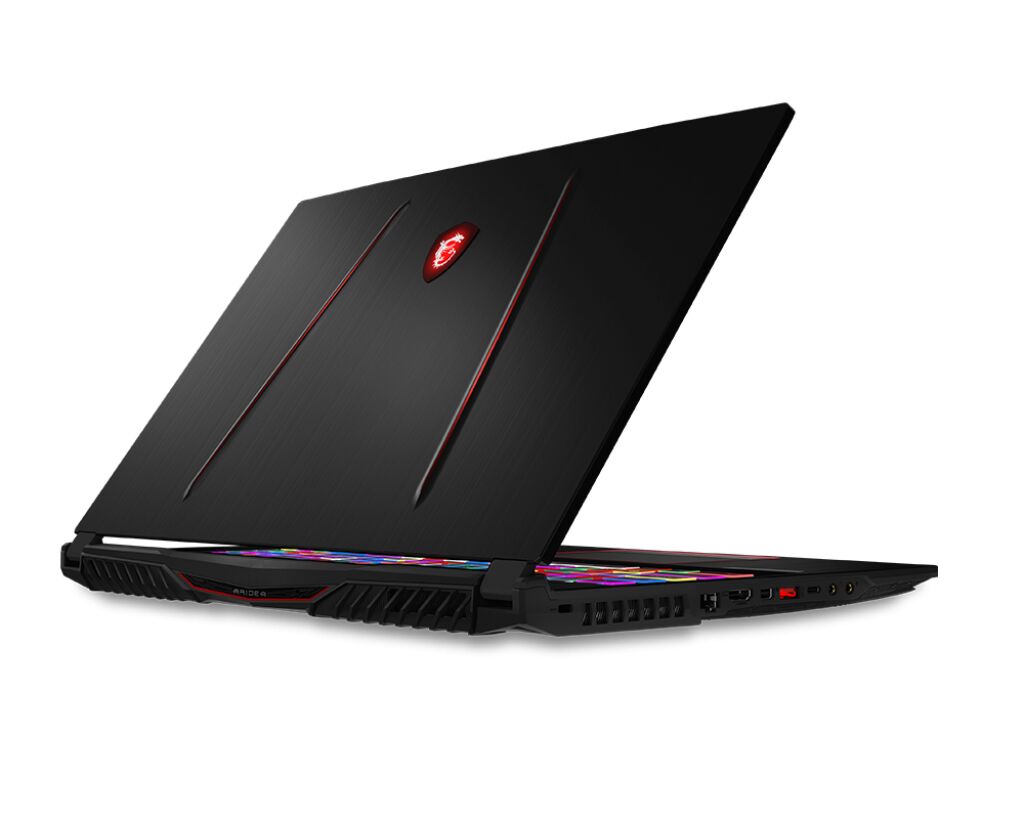
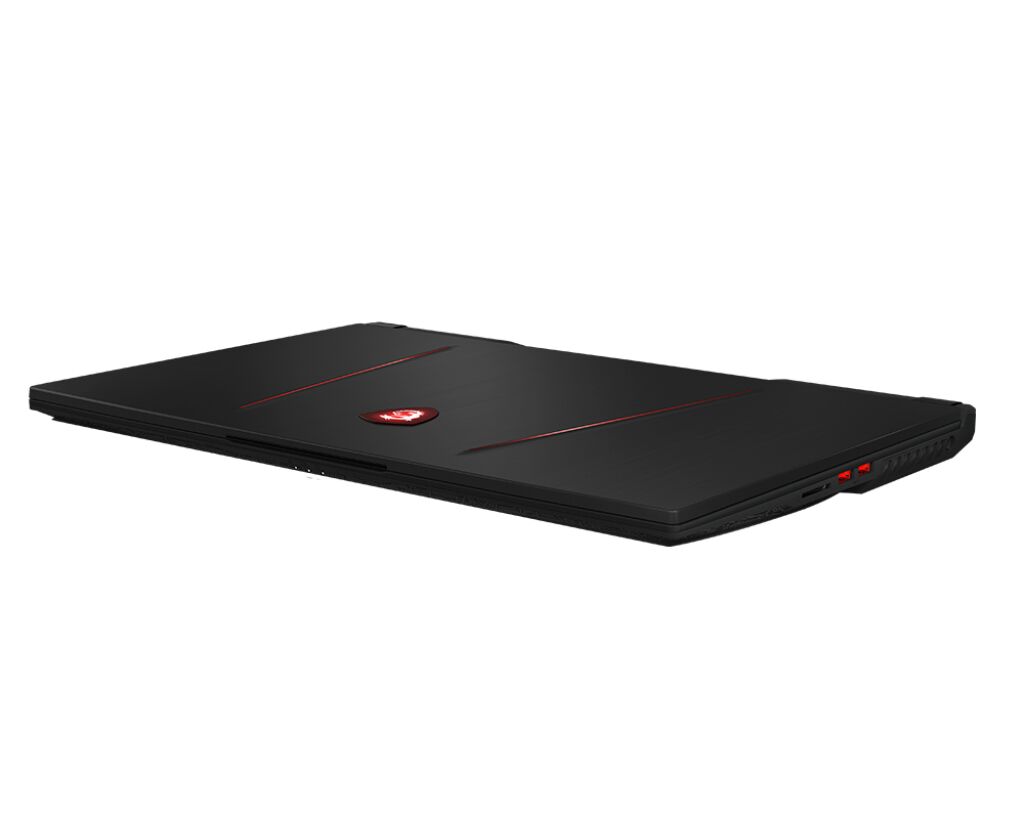

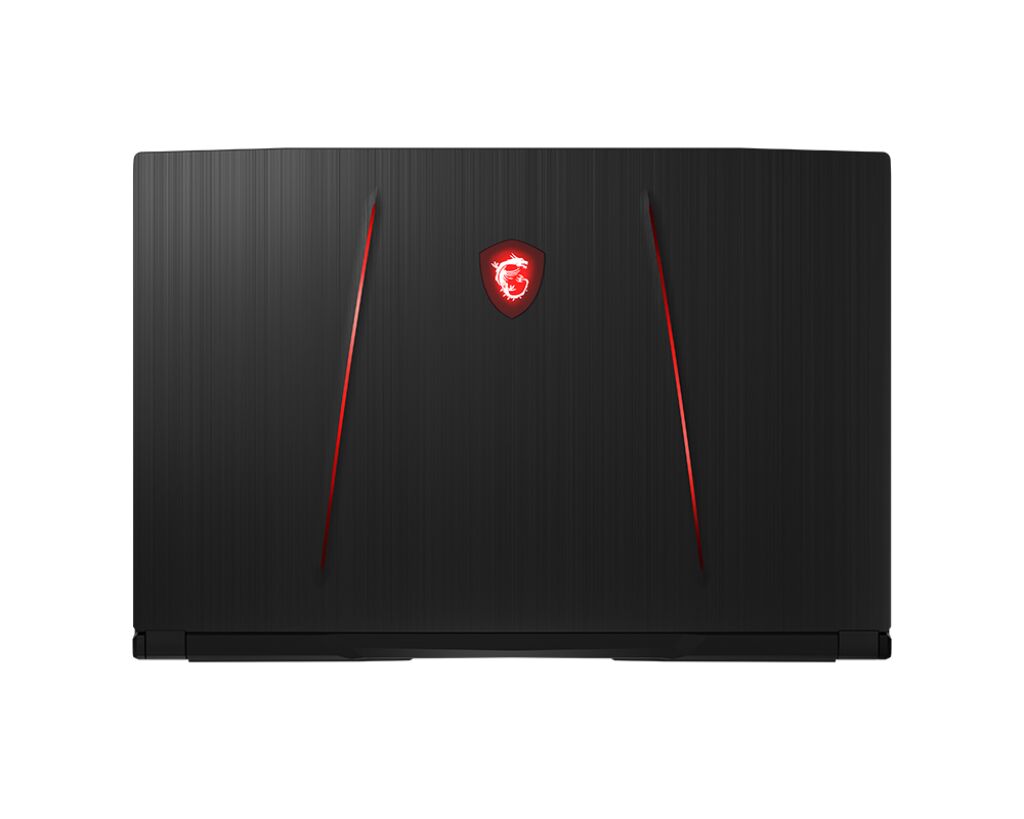
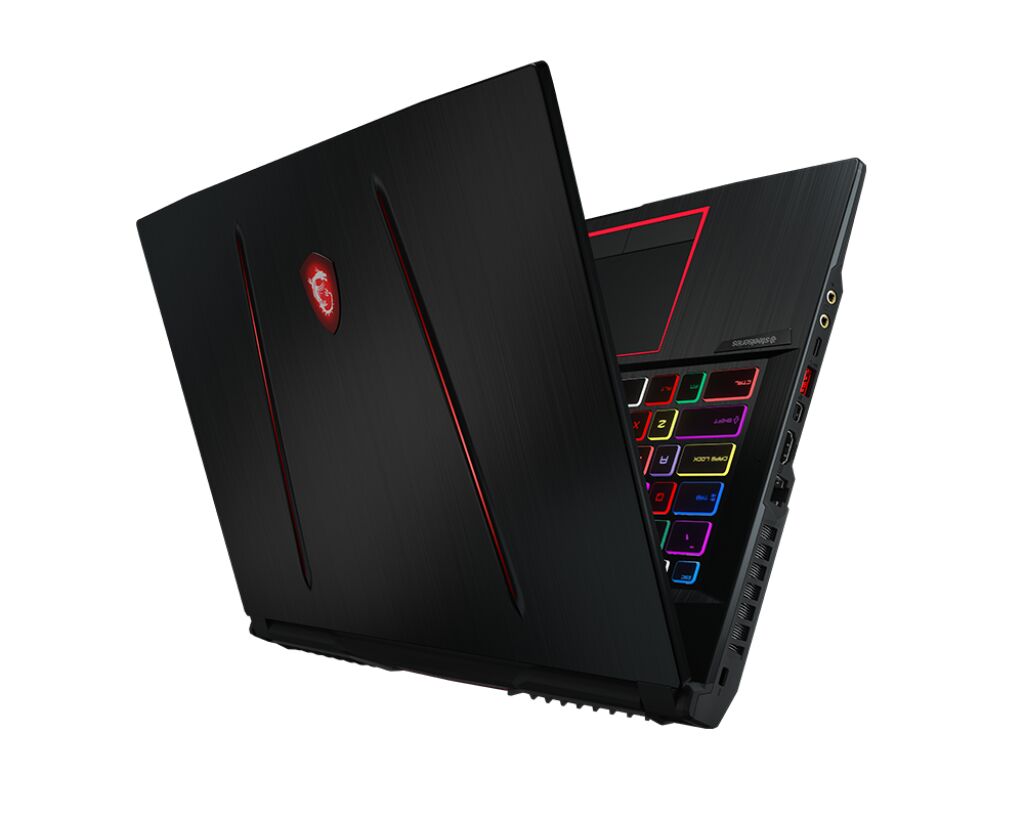
The MSI GE75 8RF-024CA Raider gaming laptop features DDR4-SDRAM memory with two SO-DIMM slots supporting maximum RAM capacity of 32 GB total. The memory operates at 2666 MHz frequency. Upgrade specifications indicate compatible DDR4 SO-DIMM modules can be installed in the available slots to expand system memory from factory configuration. The GE series Raider model supports DDR4 memory technology for enhanced performance in gaming applications.
Memory Upgrade Specifications
| Specification | Value |
|---|---|
| Memory slots | 2x SO-DIMM |
| Form factor | SO-DIMM |
| Memory type | DDR4-SDRAM |
| Frequency | 2666 MHz |
| Maximum RAM | 32 GB |
| Voltage | 1.2V |
| Number of pins | 260-pin |
| Interface | PC4 |
| PC Speed Rating | PC4-2666 (PC4-21328) |
| Bandwidth | 21.3 GB/s |
| Laptop Release date | 16 October 2019 |
Additional Notes
- The MSI GE75 8RF-024CA Raider supports DDR4 memory at 2666 MHz, which represents the 8th-generation Intel platform standard. Newer DDR4 modules rated for 3000 MHz or higher will downclock to 2666 MHz automatically, eliminating any performance advantage from faster memory.
- With 2 SO-DIMM slots and a 32 GB ceiling, maximum upgrade capacity is constrained to 16 GB per module. Single 32 GB SO-DIMM modules exist but are incompatible with this platform's memory controller specifications.
- The SO-DIMM form factor indicates a mobile chipset with fixed memory slots. Removal typically requires partial disassembly of the palmrest area, and forces removal of both modules simultaneously during installation despite the 2-slot configuration, as most systems lack independent slot access without full keyboard removal.
- Mismatched module speeds or latencies can trigger periodic memory controller errors if both slots are populated with different DDR4 variants, even when both fall within the 2666 MHz specification. Identical modules from the same manufacturer batch eliminate this risk entirely.
- Exceeding 2666 MHz in BIOS settings on this platform may cause immediate boot failure or data corruption, as the memory controller lacks overclocking margin. No firmware updates exist that expand frequency headroom on this generation.
- The dual-slot architecture creates a bandwidth limitation compared to 4-slot desktop equivalents. Gaming workloads on this system will not saturate memory bandwidth, but video encoding and multi-threaded rendering tasks may experience latency penalties when both slots operate simultaneously at full load.