MSI Gaming GE75 8SG-010BE Raider RAM upgrade specifications
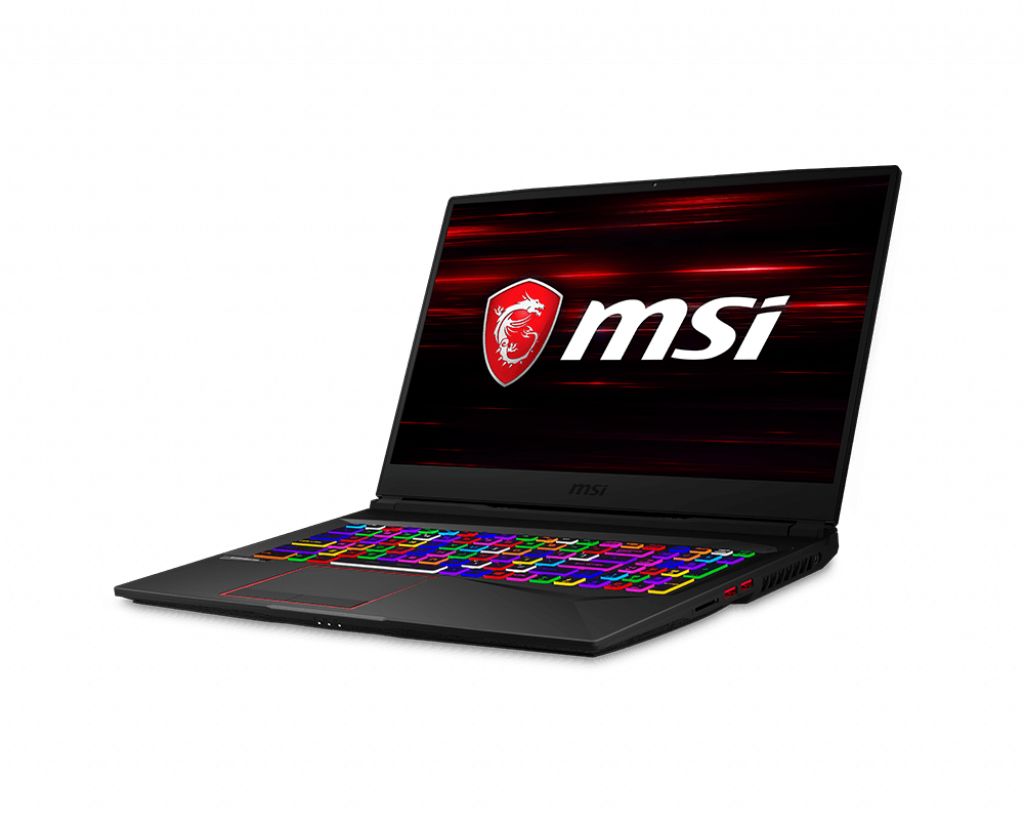
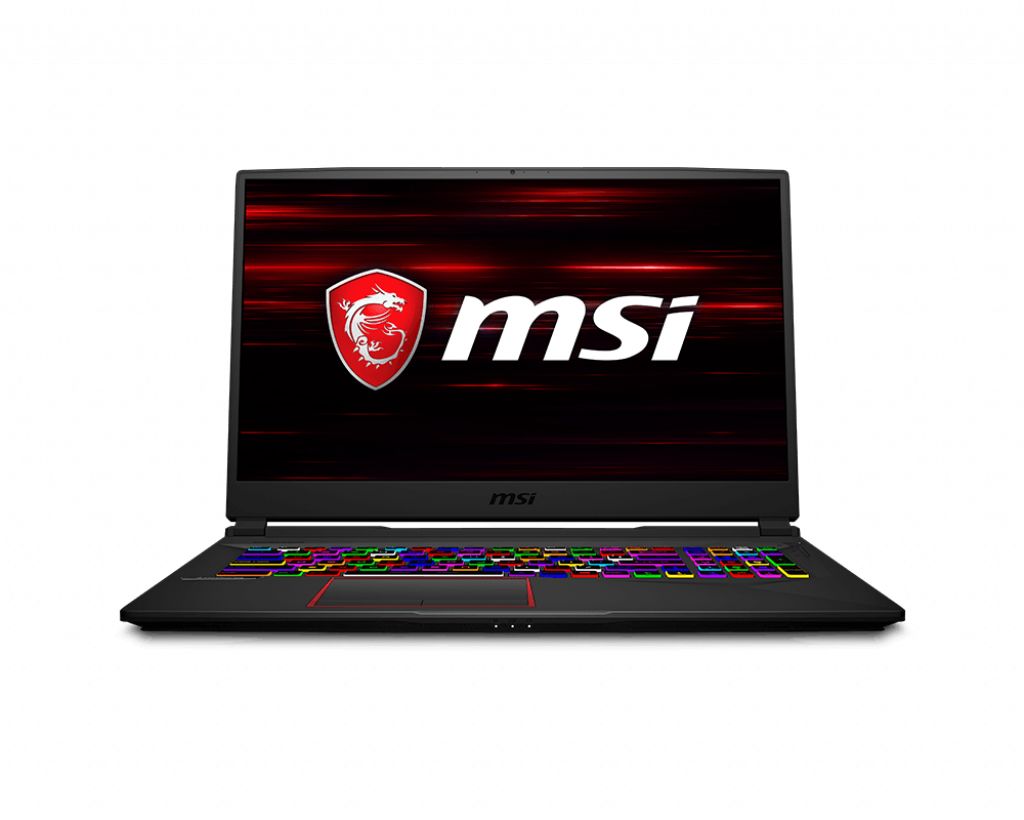
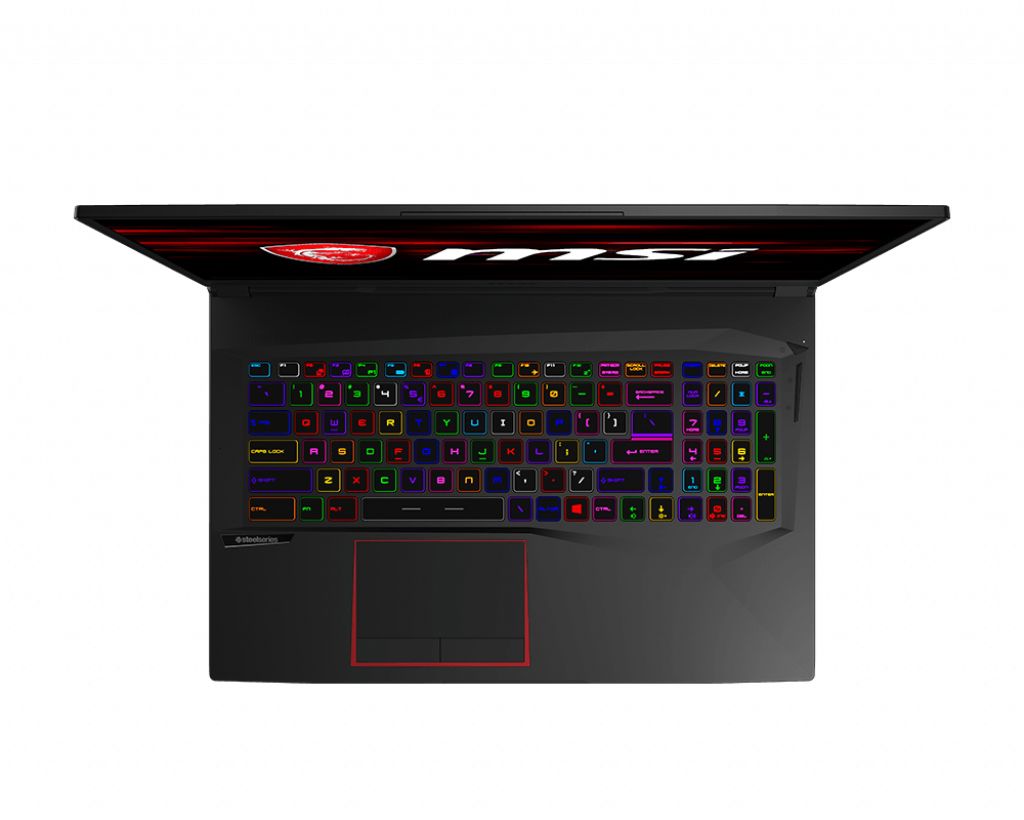
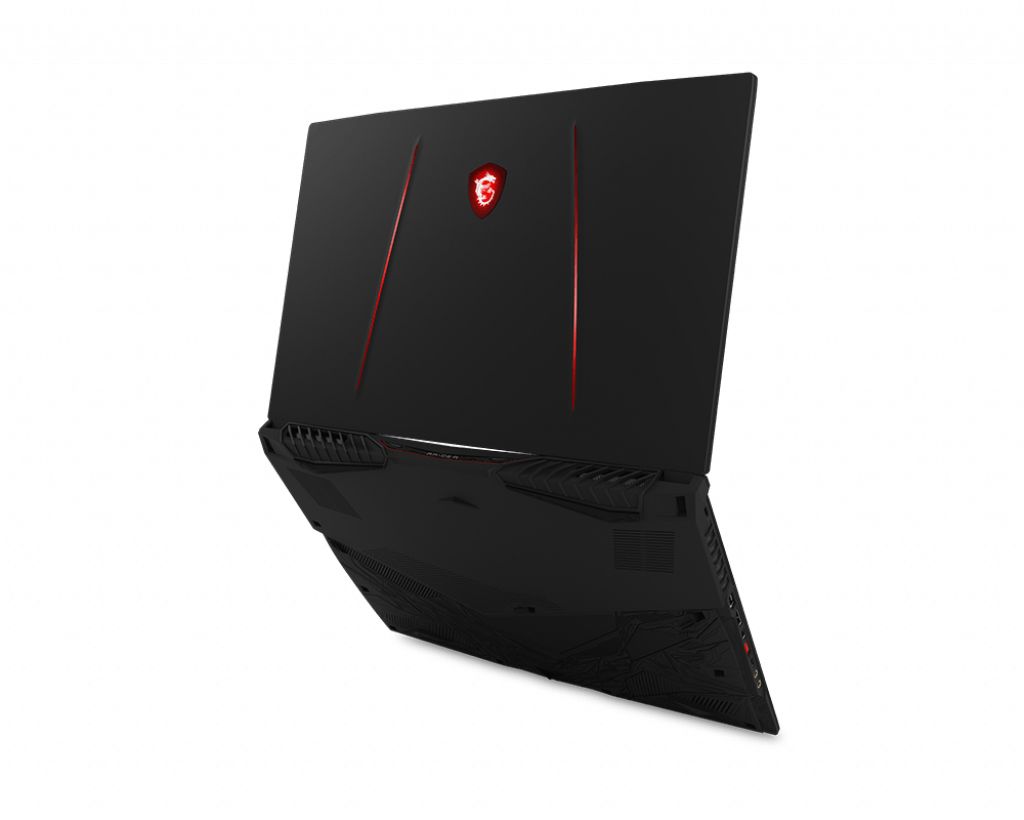
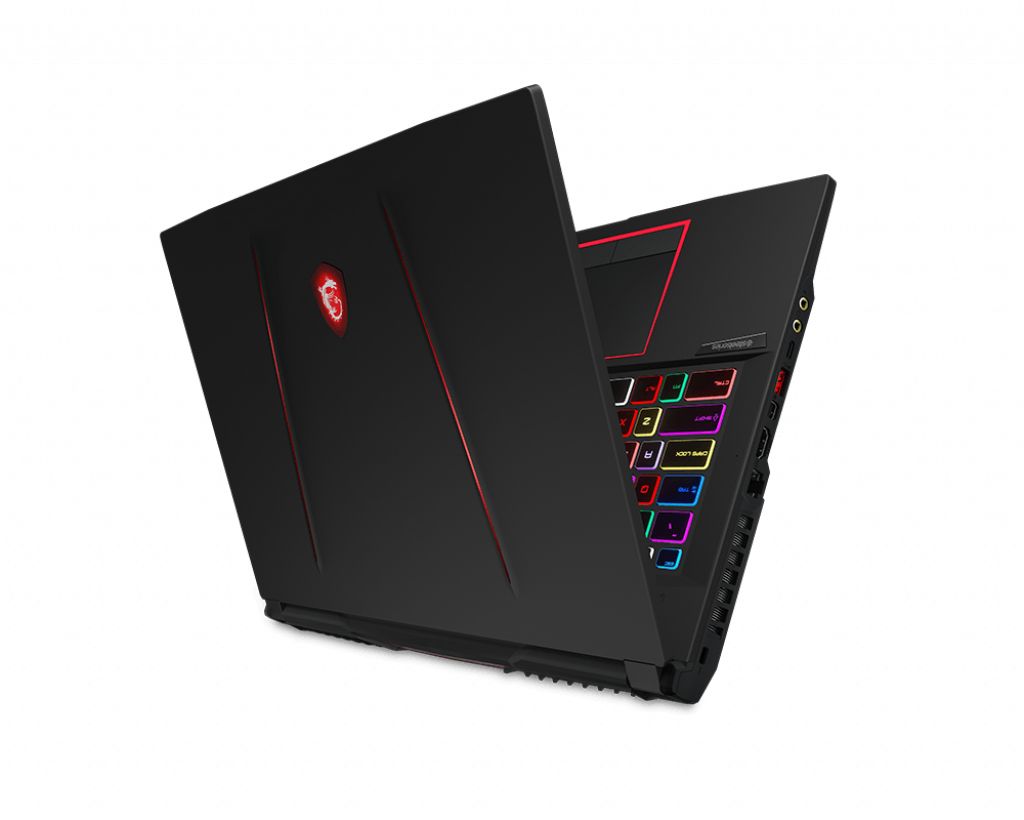
The MSI GE75 8SG-010BE Raider gaming laptop features DDR4-SDRAM memory with 2x SO-DIMM slots for RAM upgrades. Maximum supported capacity reaches 32 GB total memory. Compatible upgrades operate at 2666 MHz frequency using SO-DIMM form factor specifications. The GE series Raider model supports memory module installation for enhanced multitasking and performance capabilities.
Memory Upgrade Specifications
| Specification | Value |
|---|---|
| Memory slots | 2x SO-DIMM |
| Form factor | SO-DIMM |
| Memory type | DDR4-SDRAM |
| Frequency | 2666 MHz |
| Maximum RAM | 32 GB |
| Voltage | 1.2V |
| Number of pins | 260-pin |
| Interface | PC4 |
| PC Speed Rating | PC4-2666 (PC4-21328) |
| Bandwidth | 21.3 GB/s |
| Laptop Release date | 31 January 2019 |
Additional Notes
- The 32 GB ceiling reflects chipset limitations rather than physical slot constraints, meaning installation of higher-capacity modules will either fail to boot or revert to the maximum supported threshold.
- The MSI GE75 8SG-010BE Raider requires low-profile SO-DIMM modules, as standard desktop DIMM form factors are physically incompatible with the notebook motherboard socket architecture.
- Memory controller voltage specification restricts compatibility to DDR4 modules operating at standard 1.2V, excluding overclocked or high-performance XMP profiles that may require elevated voltage levels.
- Dual-channel architecture activation requires matched module pairs in both populated slots, without which bandwidth halves from the theoretical 42.6 GB/s maximum to approximately 21.3 GB/s in asymmetric configurations.
- Frequency synchronization forces all installed modules to operate at the speed of the slowest component, meaning a 3200 MHz module paired with factory 2666 MHz memory will downclock to the lower specification.
- CAS latency variations between mixed modules can trigger POST failures or stability issues during intensive workloads, despite matching frequency specifications.
- The 2666 MHz operating speed represents JEDEC standard compliance, ensuring broader module compatibility compared to higher frequencies that may require manufacturer-specific validation.
- Thermal throttling risk increases with maximum capacity population due to restricted airflow around closely-positioned SO-DIMM slots in compact gaming chassis designs.
- User-accessible memory compartment design permits warranty-safe upgrades without full disassembly, though electrostatic discharge precautions remain mandatory during module installation.
- Bandwidth bottlenecks may emerge when pairing maximum memory capacity with PCIe 3.0 NVMe storage under simultaneous high-throughput operations due to shared platform controller resources.