MSI Gaming GE75 9SF-400NL Raider RAM upgrade specifications



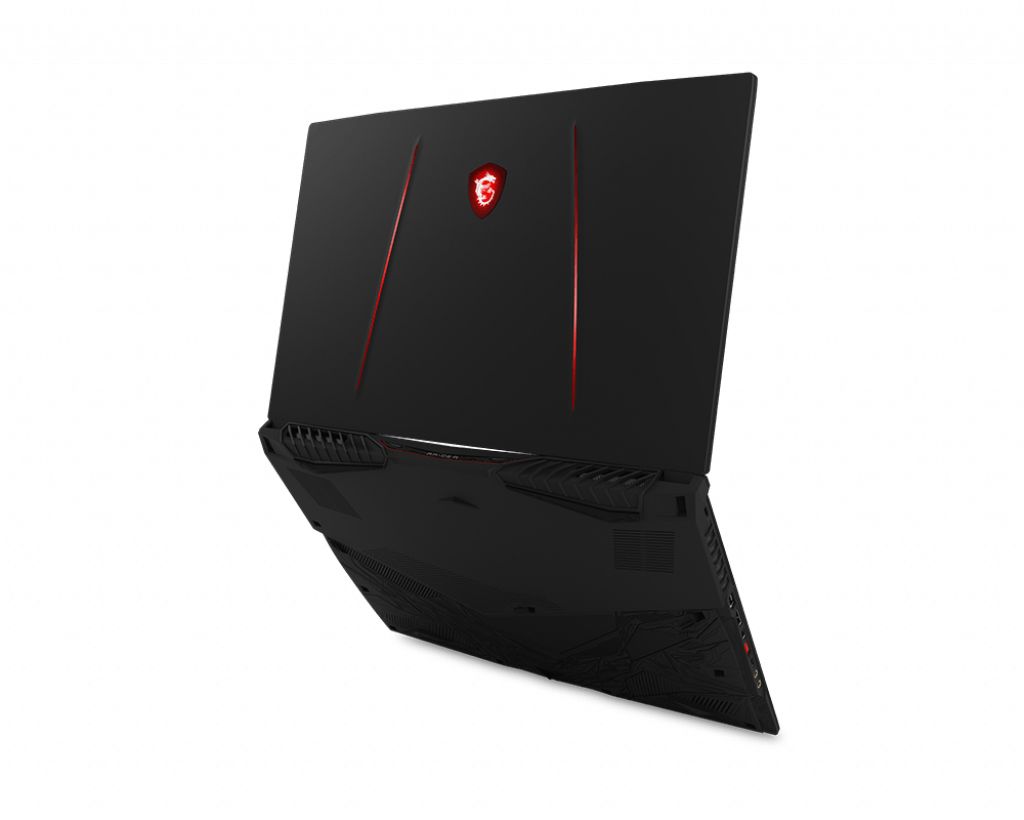

The MSI GE75 9SF-400NL Raider Gaming series laptop features DDR4-SDRAM memory upgrade specifications. The system contains 2x SO-DIMM slots for memory expansion. Maximum RAM capacity supported reaches 64 GB total. Compatible memory modules operate at 2666 MHz frequency with SO-DIMM form factor. RAM upgrade compatibility applies to the GE series Raider model configuration.
Memory Upgrade Specifications
| Specification | Value |
|---|---|
| Memory slots | 2x SO-DIMM |
| Form factor | SO-DIMM |
| Memory type | DDR4-SDRAM |
| Frequency | 2666 MHz |
| Maximum RAM | 64 GB |
| Voltage | 1.2V |
| Number of pins | 260-pin |
| Interface | PC4 |
| PC Speed Rating | PC4-2666 (PC4-21328) |
| Bandwidth | 21.3 GB/s |
| Laptop Release date | 03 May 2019 |
Additional Notes
- The DDR4-2666 specification indicates this MSI GE75 9SF-400NL Raider platform operates on JEDEC standard rather than XMP profiles, meaning manual overclocking attempts may void manufacturer support or produce instability.
- The 2-slot configuration requires complete replacement of existing modules when upgrading to higher capacities, preventing incremental memory expansion and potentially leaving functional DIMMs unusable.
- Operating dual-channel architecture with 2 slots means single-module installations will halve memory bandwidth from 42.7 GB/s to 21.3 GB/s, creating significant performance degradation in GPU-intensive workloads that rely on shared system memory.
- The 64 GB ceiling requires 32 GB SO-DIMMs in both slots, which face compatibility challenges with ninth-generation Intel mobile chipsets that originally validated lower-density modules during product certification.
- SO-DIMM DDR4-2666 operates at 1.2V standard, but mixing modules with different voltage tolerances can force the memory controller to default to higher latency timings or reduced speeds for stability.
- The 2666 MHz frequency creates a performance gap with DDR4-3200 variants commonly available in retail channels, though installing faster modules will downclock to chipset-imposed limits without performance benefit.
- Accessing SO-DIMM slots in gaming chassis typically requires bottom panel removal and potential thermal pad disturbance, which may affect heat dissipation efficiency if not properly reseated during reassembly.
- Non-ECC unbuffered memory specification means error correction features found in workstation-grade modules will remain inactive, making the system unsuitable for applications requiring memory fault tolerance.
- The dual-slot limitation prevents memory channel optimization beyond 2-channel interleaving, capping theoretical bandwidth below quad-channel workstation platforms despite similar total capacity potential.