MSI Gaming Raider GE76 12UGS-420UK RAM upgrade specifications

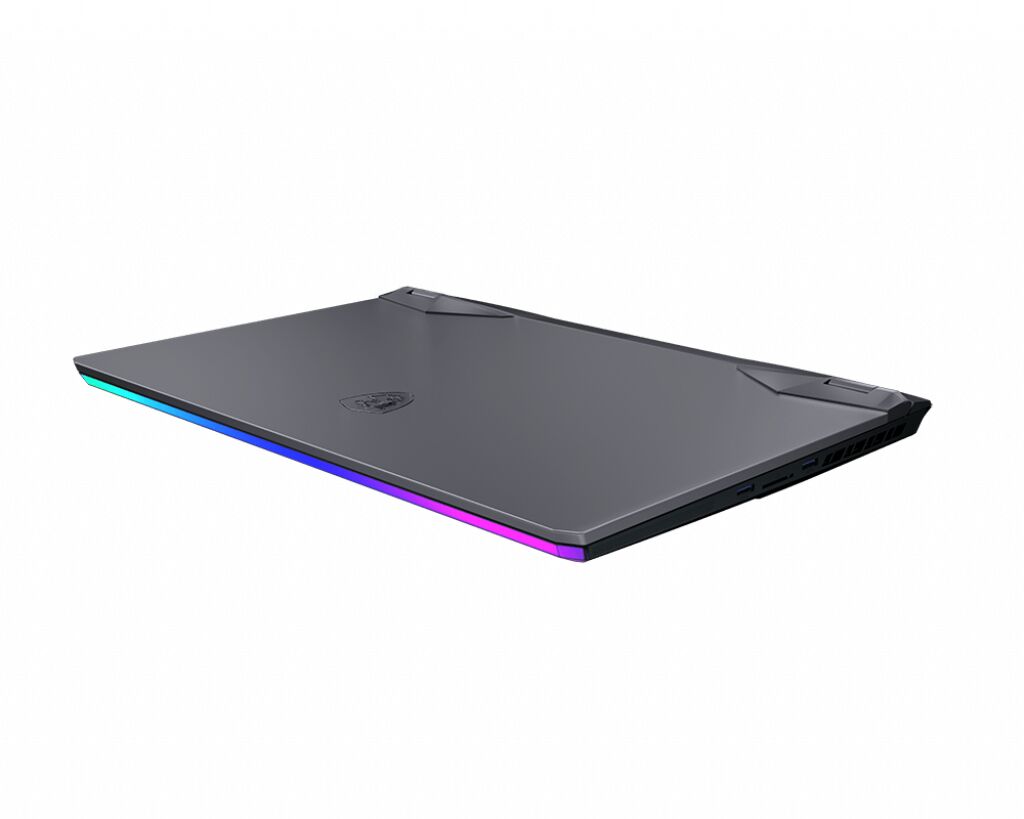

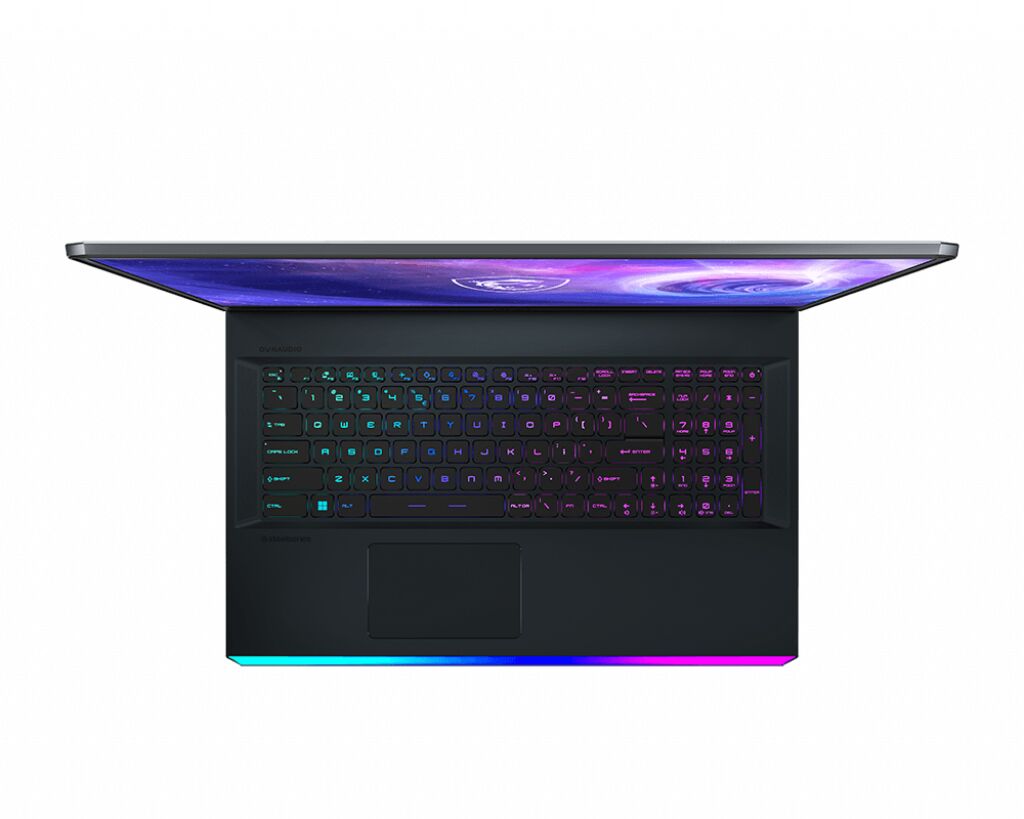

The MSI Raider GE76 12UGS-420UK gaming laptop features DDR5-SDRAM memory specifications with two SO-DIMM slots available for RAM upgrade. Maximum supported memory capacity reaches 32 GB total. Compatible memory modules operate at 4800 MHz frequency. The Gaming family Raider GE series model supports SO-DIMM form factor upgrades, allowing users to expand system memory within the specified maximum capacity specifications.
Memory Upgrade Specifications
| Specification | Value |
|---|---|
| Memory slots | 2x SO-DIMM |
| Form factor | SO-DIMM |
| Memory type | DDR5-SDRAM |
| Frequency | 4800 MHz |
| Maximum RAM | 32 GB |
| Voltage | 1.1V |
| Number of pins | 262-pin |
| Interface | PC5 |
| PC Speed Rating | PC5-4800 (PC5-38400) |
| Bandwidth | 38.4 GB/s |
| Laptop Release date | 13 April 2022 |
Additional Notes
- The 32 GB capacity ceiling reflects a chipset or motherboard limitation rather than a DDR5 standard constraint, as DDR5 SO-DIMM modules are available in 48 GB and 64 GB densities.
- The 4800 MHz frequency represents the JEDEC baseline speed for DDR5, leaving headroom for potential performance gains through XMP 3.0 or EXPO profile activation if the BIOS supports overclocking.
- DDR5's on-die ECC architecture provides error correction without consuming user-addressable capacity, unlike traditional ECC memory that sacrifices 12.5% of total space for parity data.
- The dual-channel configuration through 2 SO-DIMM slots enables 76.8 GB/s theoretical peak bandwidth, assuming both channels operate synchronously at 4800 MT/s with 64-bit data paths.
- Mixing modules with different latency timings will force all installed memory to conform to the slowest module's specifications, potentially negating the benefits of premium low-latency kits.
- DDR5's higher operating voltage range of 1.1V compared to DDR4's 1.2V reduces thermal output, though this MSI Raider GE76 12UGS-420UK may still benefit from proper ventilation during sustained memory-intensive workloads.
- Single-rank versus dual-rank module topology affects interleaving efficiency, with dual-rank configurations typically delivering 5-15% better performance in bandwidth-sensitive applications despite identical capacity and frequency ratings.
- The SO-DIMM form factor requires modules between 67.6 mm and 69.6 mm in length, though height variations between standard and low-profile designs rarely cause clearance issues in modern gaming chassis.
- Installing non-matching capacities across slots maintains dual-channel operation only up to the lower module's capacity, with excess memory on the larger module reverting to single-channel mode.
- Warranty preservation typically requires avoiding physical damage to retention clips and ensuring the notebook is powered down and disconnected from all power sources before accessing memory compartments.