MSI Gaming Raider GE78HX 13VG-005FR RAM upgrade specifications


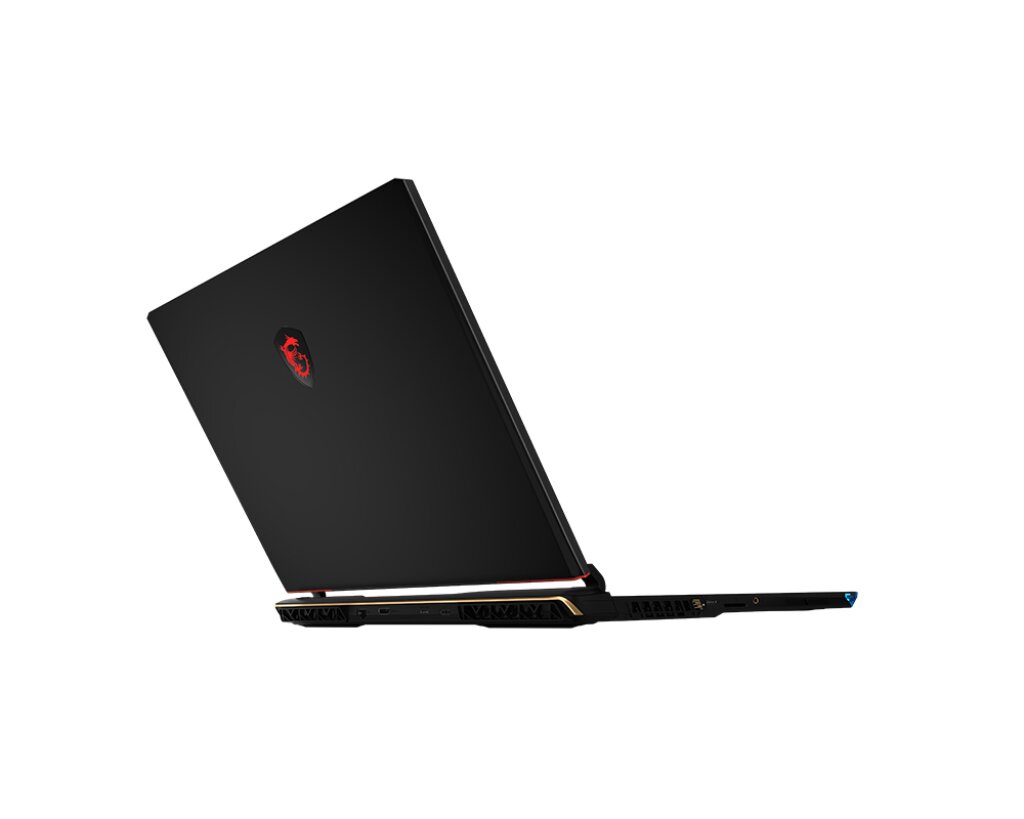
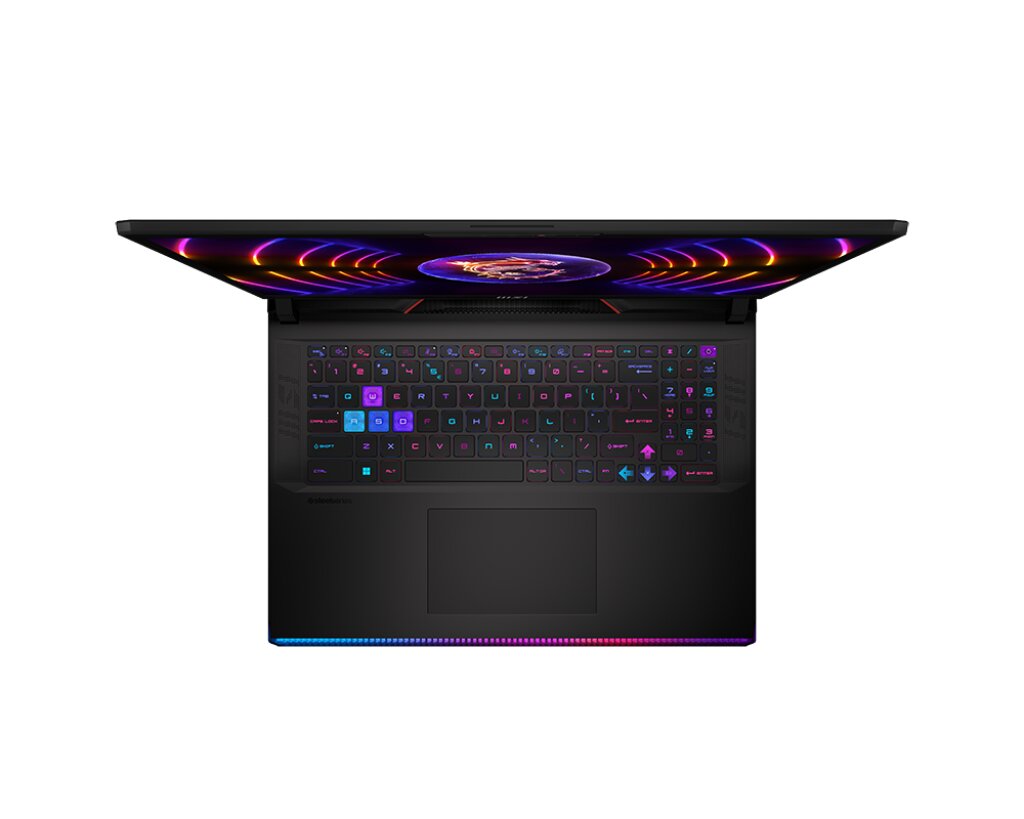
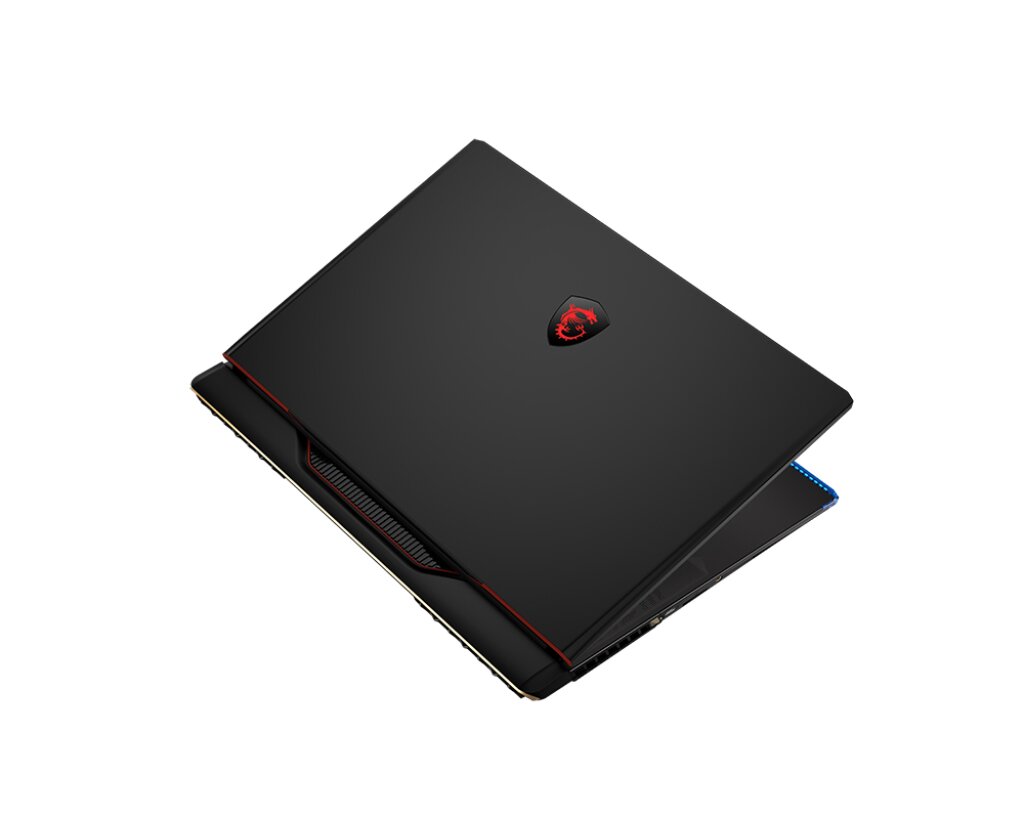
The MSI Raider GE78HX 13VG-005FR gaming laptop features two SO-DIMM slots supporting DDR5-SDRAM memory upgrades. The compatible memory operates at 5600 MHz frequency with maximum capacity of 64 GB RAM. Specifications indicate upgrading memory requires SO-DIMM form factor modules. The GE series Raider model supports dual-channel memory configuration for enhanced performance. Existing memory modules can be replaced or supplemented to reach the maximum RAM specifications. DDR5-SDRAM compatibility ensures the gaming laptop accommodates modern memory upgrade requirements for intensive computing tasks.
Memory Upgrade Specifications
| Specification | Value |
|---|---|
| Memory slots | 2x SO-DIMM |
| Form factor | SO-DIMM |
| Memory type | DDR5-SDRAM |
| Frequency | 5600 MHz |
| Maximum RAM | 64 GB |
| Voltage | 1.1V |
| Number of pins | 262-pin |
| Interface | PC5 |
| PC Speed Rating | PC5-5600 (PC5-44800) |
| Bandwidth | 44.8 GB/s |
| Laptop Release date | 10 February 2023 |
Additional Notes
- The 64 GB ceiling reflects Intel 13th generation chipset limitations rather than physical slot restrictions, meaning future BIOS updates will not extend capacity beyond this threshold.
- DDR5-5600 operates at JEDEC standard voltage of 1.1V, eliminating stability concerns associated with XMP profiles that often require manual BIOS configuration on gaming laptops.
- The dual SO-DIMM configuration enforces matched pair installation for dual-channel operation, as single-module configurations will halve memory bandwidth from 89.6 GB/s to 44.8 GB/s.
- DDR5 architecture introduces on-die ECC that corrects single-bit errors transparently, reducing system crashes during extended gaming sessions without requiring enterprise-grade modules.
- Module height clearance under the MSI Raider GE78HX 13VG-005FR chassis restricts compatibility to standard 30mm SO-DIMM profiles, excluding certain RGB-equipped enthusiast modules exceeding 32mm.
- The 5600 MHz native frequency eliminates throttling risks present in DDR4 systems, where memory controllers often downclock mismatched modules to the lowest common speed.
- Warranty preservation requires non-destructive access through the designated bottom panel service door rather than full disassembly, as some manufacturers void coverage for unauthorized chassis entry points.
- Mixing different density modules such as 16 GB with 32 GB sticks will function but forces the memory controller into asymmetric mode, potentially introducing latency penalties in bandwidth-intensive applications.
- DDR5's dual-channel-per-module design means each SO-DIMM operates as 2 independent 32-bit channels, technically creating a quad-channel configuration despite the 2 physical slots.
- Temperature sensors integrated into DDR5 modules enable real-time thermal monitoring through software utilities, allowing preemptive throttling before reaching the 95°C junction temperature limit.