MSI Gaming GF63 10UC-497AU Thin RAM upgrade specifications
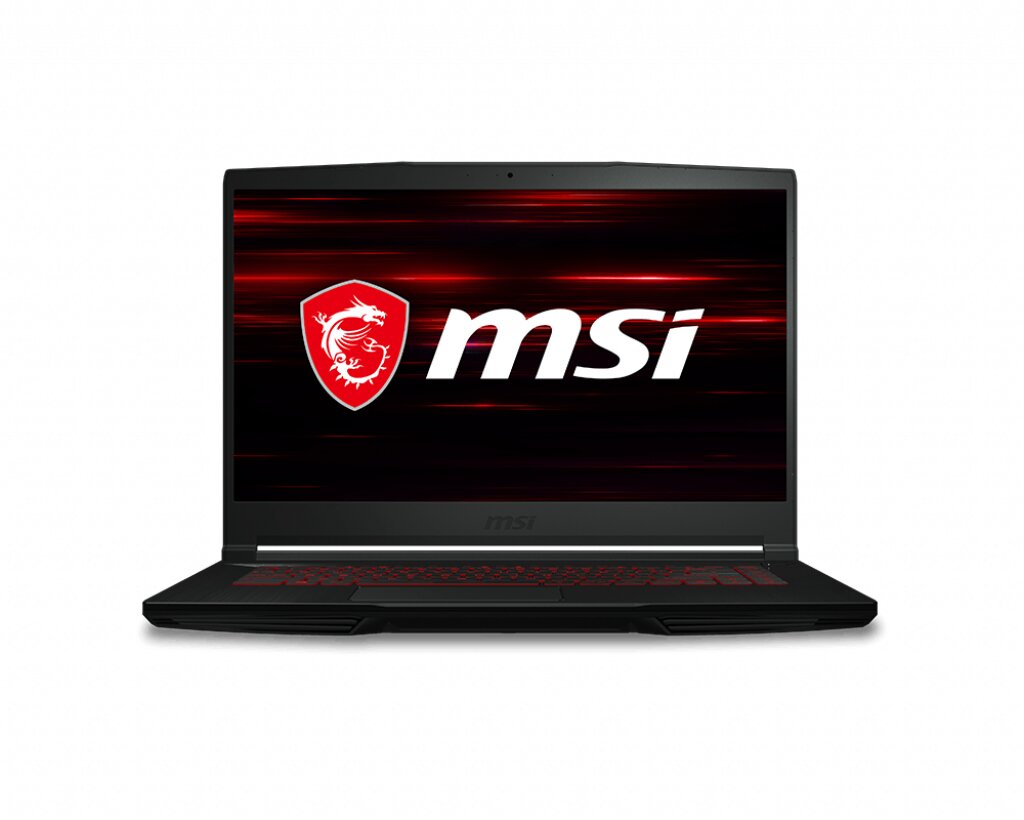
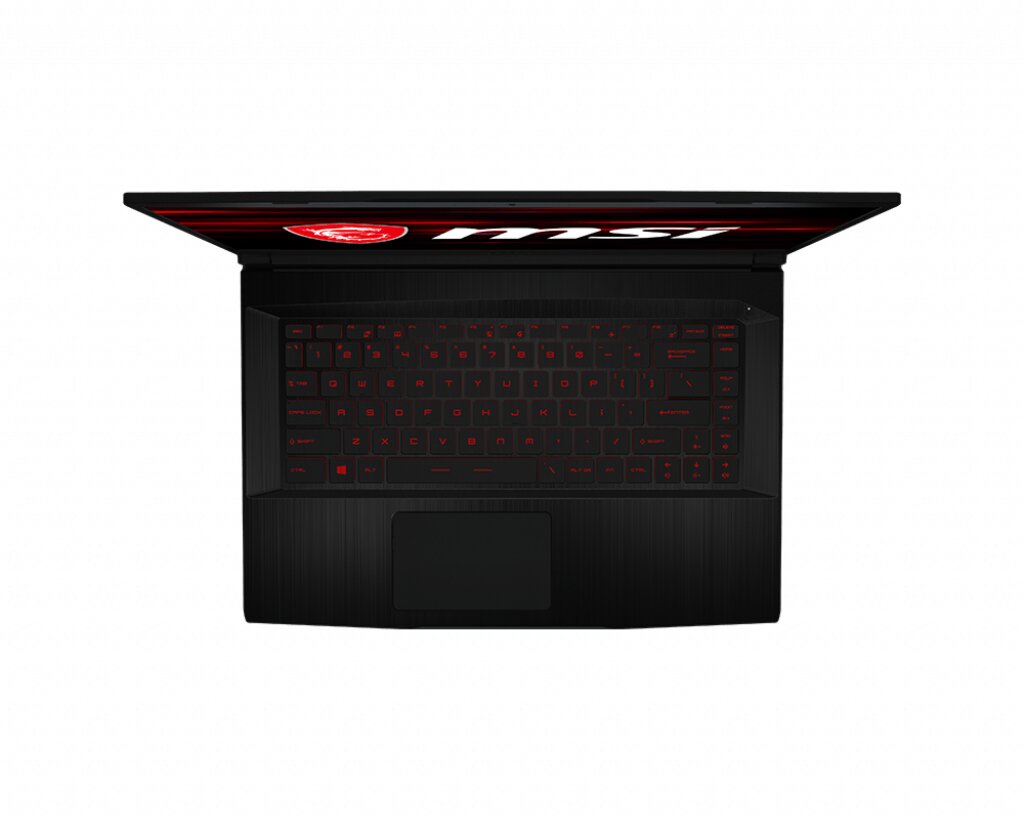
The MSI GF63 10UC-497AU Thin Gaming series laptop features DDR4-SDRAM memory upgrade specifications with 2x SO-DIMM slots supporting a maximum capacity of 64 GB. Compatible memory modules operate at 3200 MHz frequency. The SO-DIMM form factor provides standard upgrade compatibility for this Gaming GF series model. Specifications indicate dual-slot configuration enabling memory expansion up to the stated maximum capacity for enhanced system performance.
Memory Upgrade Specifications
| Specification | Value |
|---|---|
| Memory slots | 2x SO-DIMM |
| Form factor | SO-DIMM |
| Memory type | DDR4-SDRAM |
| Frequency | 3200 MHz |
| Maximum RAM | 64 GB |
| Voltage | 1.2V |
| Number of pins | 260-pin |
| Interface | PC4 |
| PC Speed Rating | PC4-3200 (PC4-25600) |
| Bandwidth | 25.6 GB/s |
| Laptop Release date | 07 April 2022 |
Additional Notes
- The MSI GF63 10UC-497AU Thin supports dual-channel memory architecture through its 2 SO-DIMM slots, enabling up to double the memory bandwidth compared to single-channel configurations when matched modules are installed.
- Native DDR4-3200 support at this frequency requires a 10th generation Intel Core processor with compatible memory controller capabilities, as lower-tier CPUs in the same generation may default to 2933 MHz operation.
- The 64 GB maximum capacity indicates Intel HM470 or equivalent chipset implementation, as entry-level mobile chipsets typically restrict memory to 32 GB total.
- Upgrading to the full 64 GB necessitates replacing both modules with 32 GB SO-DIMMs, as partial upgrades retaining smaller-capacity modules would leave the maximum unreachable.
- Mixing memory modules with different speeds results in all modules downclocking to the slowest common frequency, potentially reducing 3200 MHz modules to 2666 MHz or 2933 MHz if mismatched.
- SO-DIMM installation in thin-profile gaming chassis often requires complete bottom panel removal rather than dedicated access doors, increasing service complexity compared to thicker gaming models.
- DDR4-3200 modules operating at JEDEC standard voltage of 1.2V generate less heat than overclocked variants, relevant in thermally constrained thin designs where memory sits near GPU thermal zones.
- Verification of module compatibility with Intel XMP 2.0 profiles ensures automatic frequency configuration to 3200 MHz, as non-XMP modules may require manual BIOS timing adjustments.
- The absence of ECC support in consumer SO-DIMM DDR4 configurations means error correction remains unavailable regardless of module specifications selected for upgrade.
- Warranty preservation typically permits user-performed memory upgrades without seal breakage penalties, though verification of regional warranty terms specific to this configuration remains advisable before disassembly.