MSI Gaming GF63 11SC-430CA Thin RAM upgrade specifications
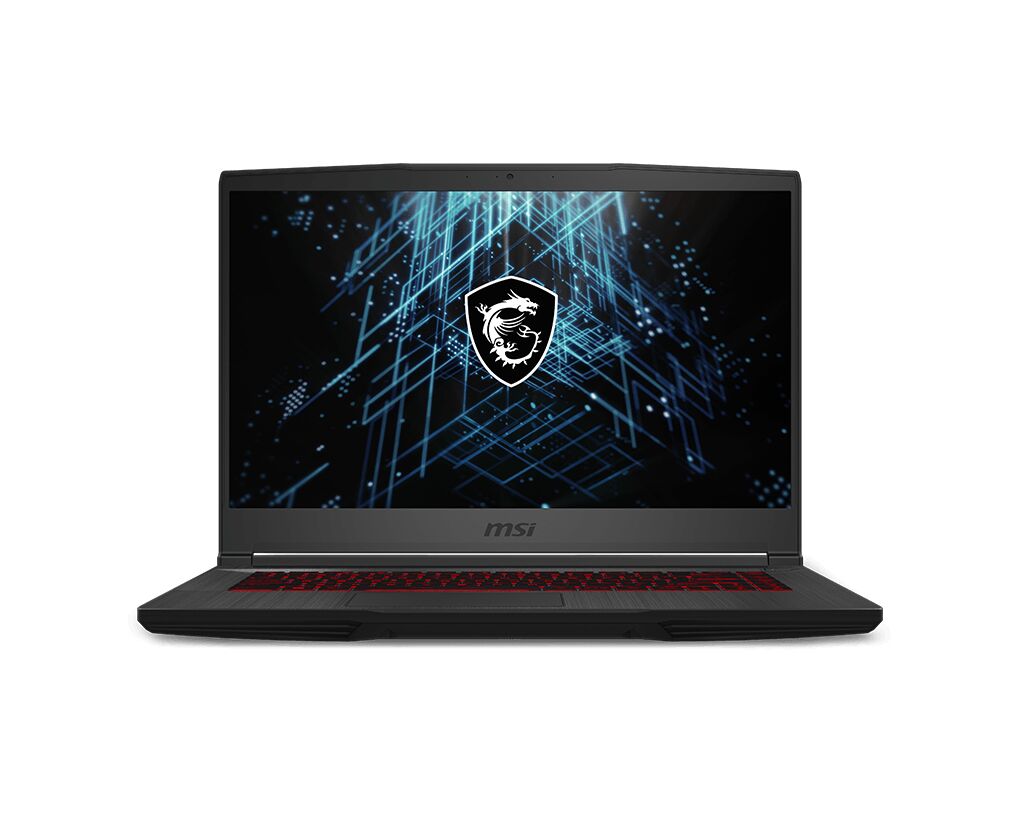
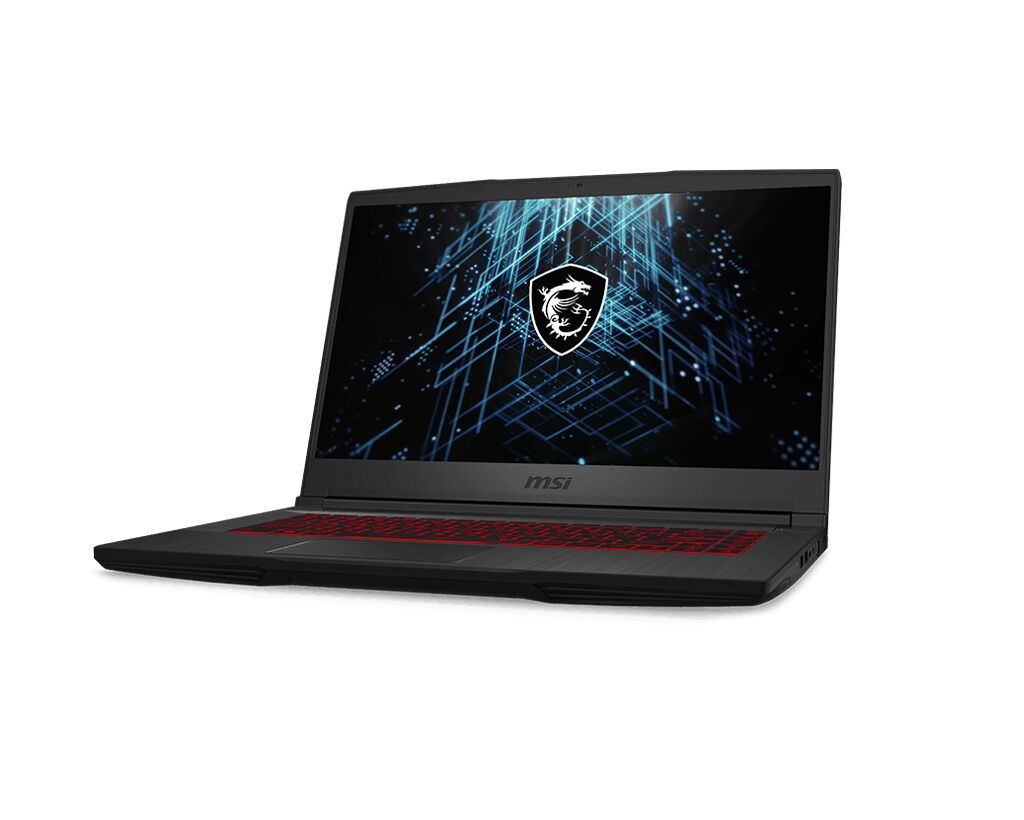
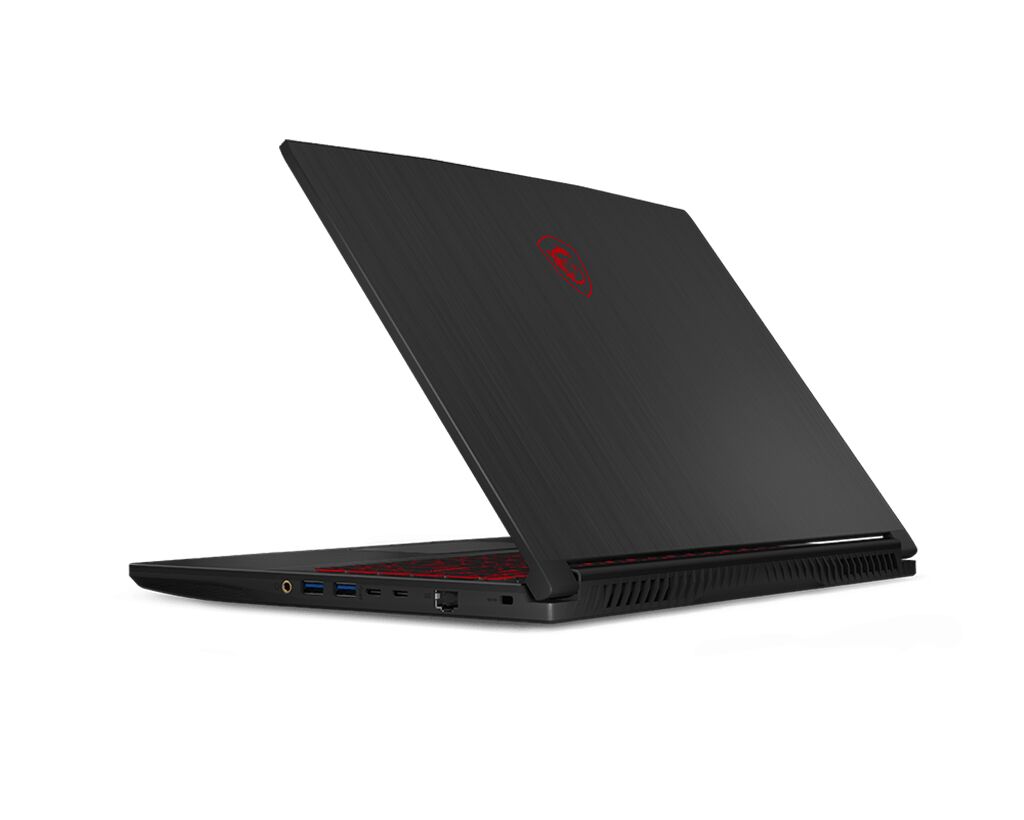
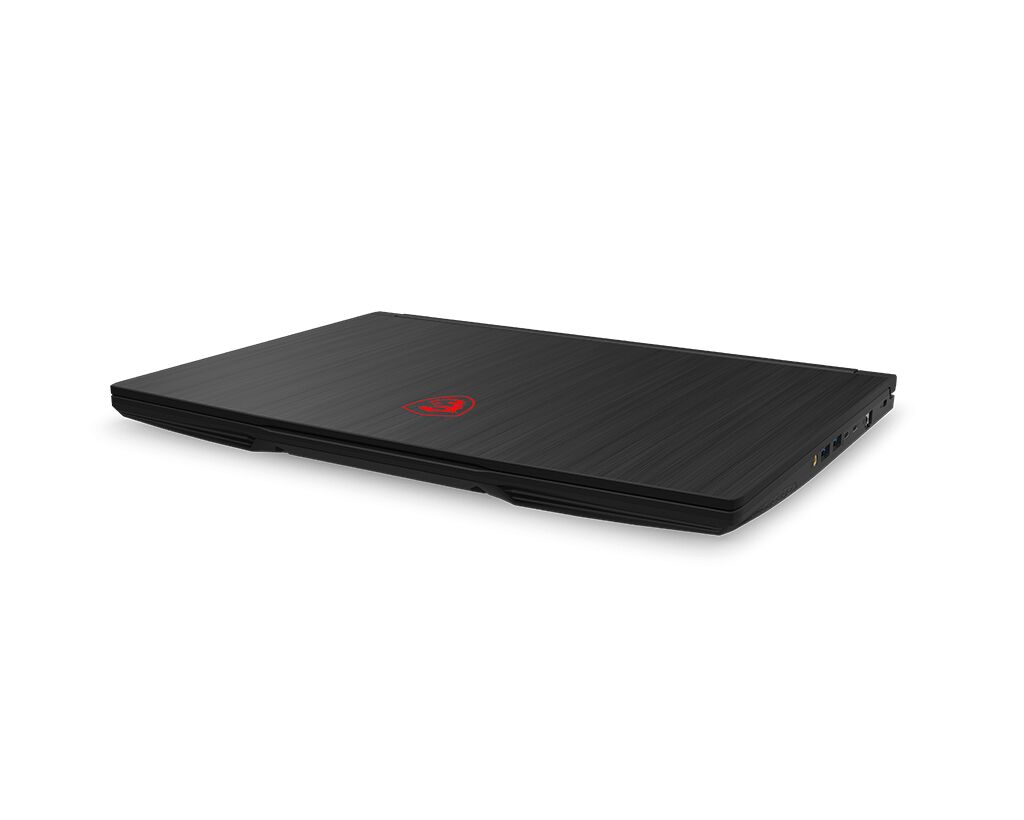
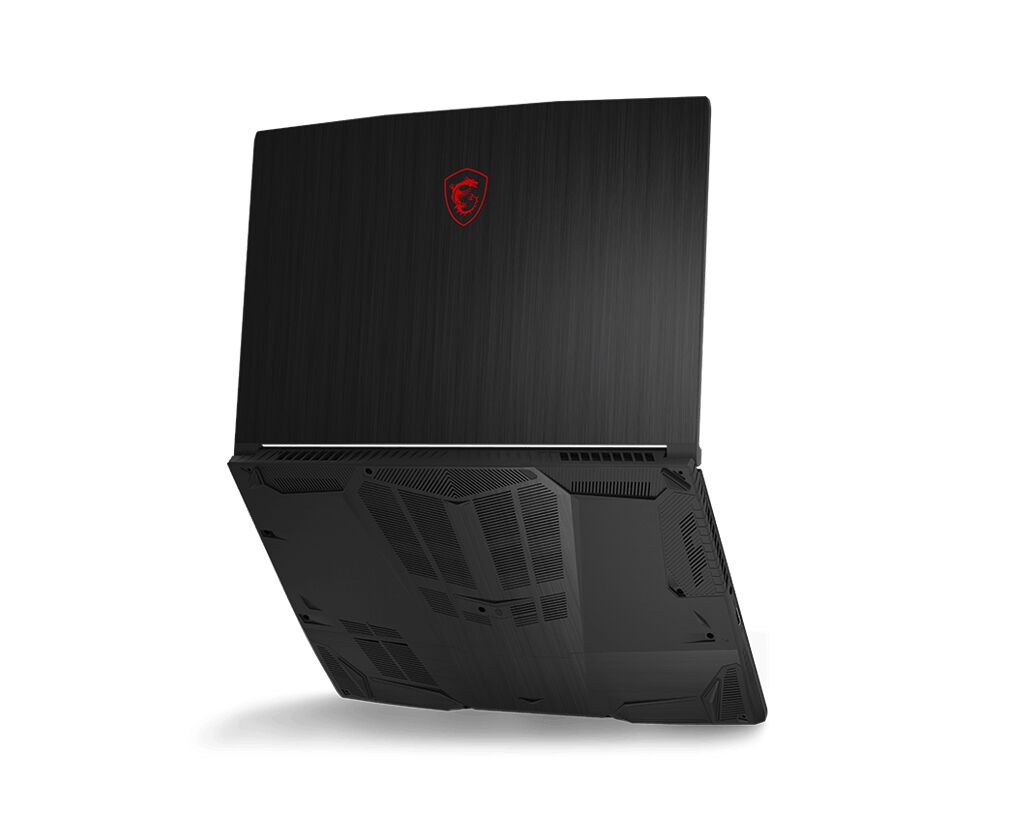
MSI GF63 11SC-430CA Thin gaming laptop features two SO-DIMM slots for DDR4-SDRAM memory upgrades. The system supports maximum RAM capacity of 64 GB total, with compatible modules operating at 3200 MHz frequency. Current memory upgrade specifications enable users to expand from existing capacity up to the maximum supported 64 GB configuration. SO-DIMM form factor modules are required for all memory upgrades on the MSI GF Gaming GF series model.
Memory Upgrade Specifications
| Specification | Value |
|---|---|
| Memory slots | 2x SO-DIMM |
| Form factor | SO-DIMM |
| Memory type | DDR4-SDRAM |
| Frequency | 3200 MHz |
| Maximum RAM | 64 GB |
| Voltage | 1.2V |
| Number of pins | 260-pin |
| Interface | PC4 |
| PC Speed Rating | PC4-3200 (PC4-25600) |
| Bandwidth | 25.6 GB/s |
| Laptop Release date | 02 May 2022 |
Additional Notes
- Dual channel architecture requires matching capacity and timings across both SO DIMM slots to prevent memory downclocking and bandwidth reduction.
- The MSI GF63 11SC-430CA Thin utilizes a mobile chipset that limits memory expansion to 64 GB total, necessitating the removal of existing modules since no vacant slots remain for expansion beyond the initial pair.
- Integrating 3200 MHz modules with higher latency ratings will force the system to operate at the slowest common denominator, potentially increasing CPU wait states during heavy gaming loads.
- Installation of high density 32 GB modules requires verifyng BIOS compatibility to ensure the integrated memory controller correctly addresses the increased rank density.
- Physical access to the memory slots requires removal of the entire lower chassis panel, which involves navigating plastic clips that are prone to fatigue if opened repeatedly.
- Thermal constraints within the thin chassis design mean that adding high performance memory modules may contribute to localized heat buildup near the CPU and GPU heat pipes.
- Standard voltage DDR4 modules are required as the motherboard does not support legacy high voltage memory or DDR5 variants due to physical pinout differences.