MSI Gaming GF63 11SC-496UK Thin RAM upgrade specifications



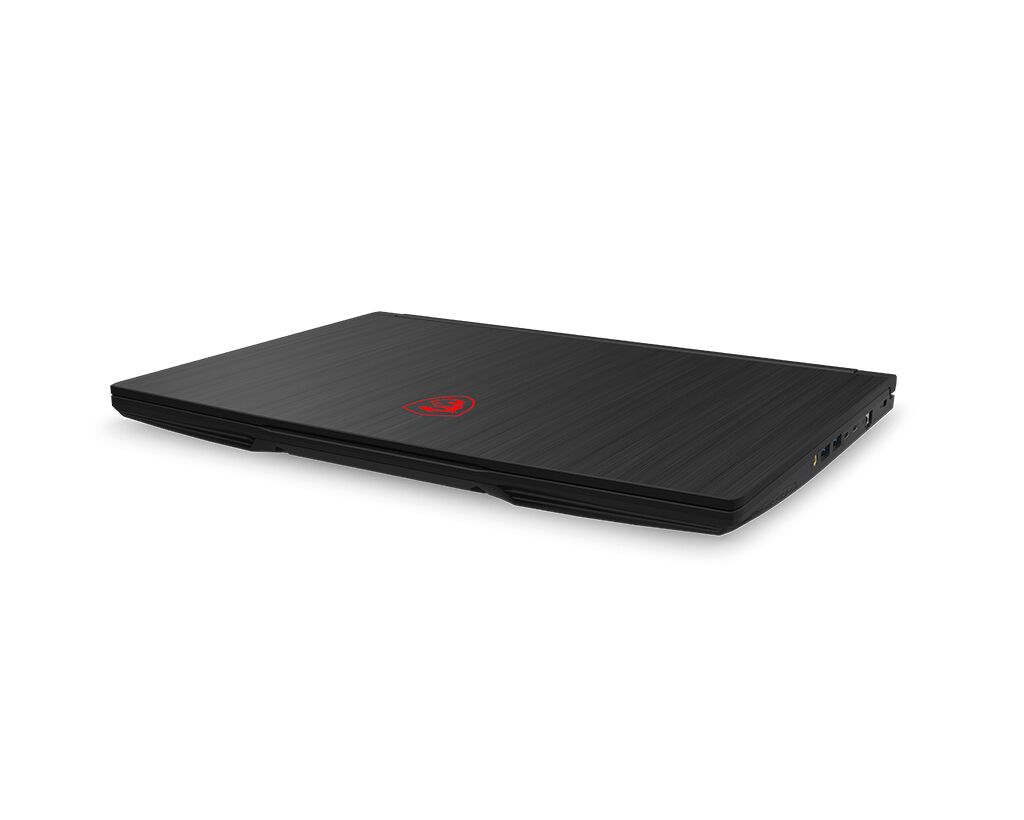

MSI GF63 11SC-496UK Thin Gaming series laptop memory upgrade specifications include DDR4-SDRAM compatible RAM modules. The device features 2x SO-DIMM slots supporting maximum capacity of 64 GB total memory. Compatible RAM operates at 3200 MHz frequency using SO-DIMM form factor. Upgrade specifications indicate support for dual-channel memory configuration enabling enhanced system performance. Users requiring memory expansion can install compatible DDR4 modules up to the maximum supported capacity across the available memory slots.
Memory Upgrade Specifications
| Specification | Value |
|---|---|
| Memory slots | 2x SO-DIMM |
| Form factor | SO-DIMM |
| Memory type | DDR4-SDRAM |
| Frequency | 3200 MHz |
| Maximum RAM | 64 GB |
| Voltage | 1.2V |
| Number of pins | 260-pin |
| Interface | PC4 |
| PC Speed Rating | PC4-3200 (PC4-25600) |
| Bandwidth | 25.6 GB/s |
| Laptop Release date | 22 December 2021 |
Additional Notes
- Dual channel architecture requires matching memory modules to reach peak bandwidth for the 11th Gen processor architecture.
- The presence of 2 SO-DIMM slots implies that the factory memory occupies at least 1 slot, necessitating the removal of existing hardware to reach the 64 GB maximum capacity.
- The MSI GF63 11SC-496UK Thin utilizes a standard voltage DDR4 interface which lacks compatibility with newer DDR5 modules due to physical keying and voltage regulator differences.
- High density 32 GB modules are required in each slot to achieve the upper memory limit, which often requires a BIOS update to ensure stable timing profiles.
- Upgrading memory requires the removal of the entire base panel, which may involve breaking a factory seal sticker depending on regional warranty policies.
- Operating at 3200 MHz depends on the integrated memory controller of the installed CPU, as system downclocking occurs if the processor supports lower maximum frequencies.
- Latency performance is dictated by the highest CAS latency among installed sticks, meaning mixing modules with different timings results in the system defaulting to the slowest common denominator.