MSI Gaming GF63 11UD-276AU Thin RAM upgrade specifications
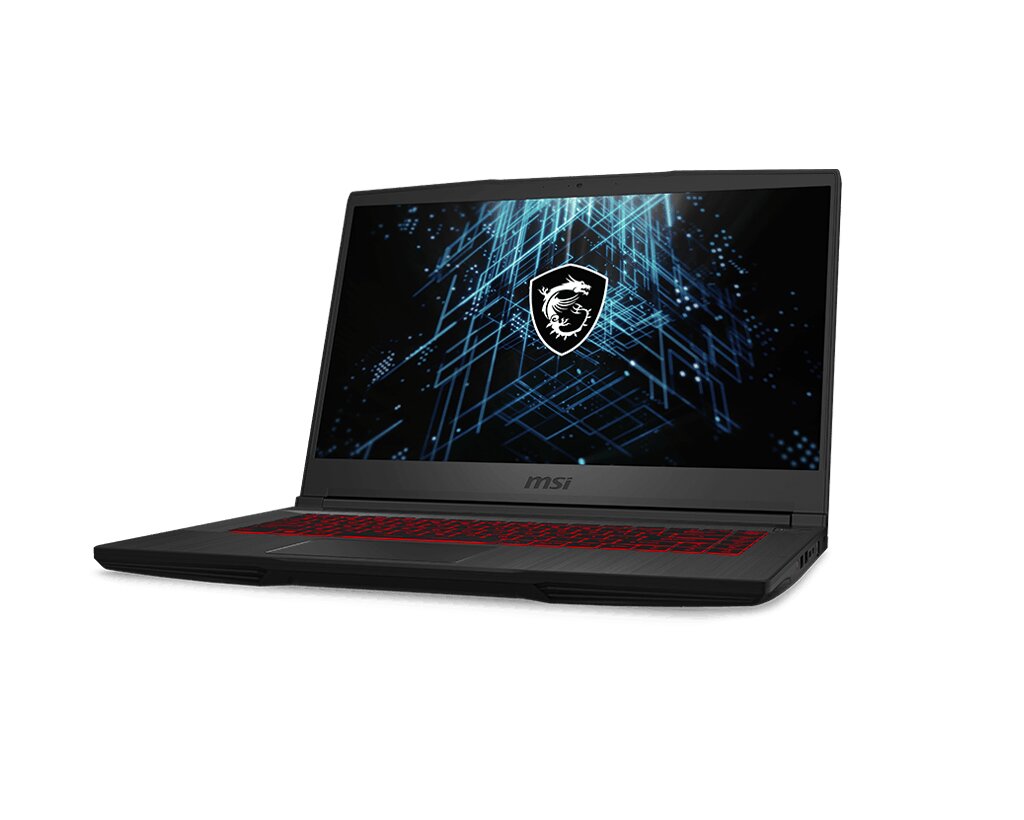
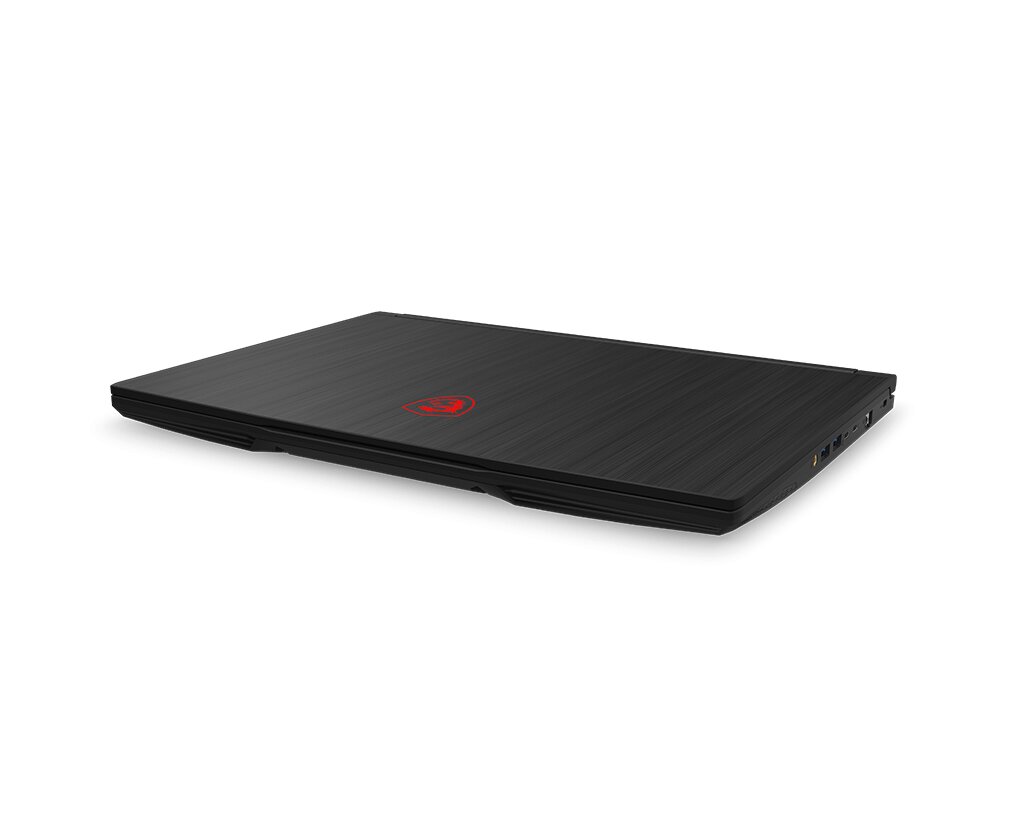

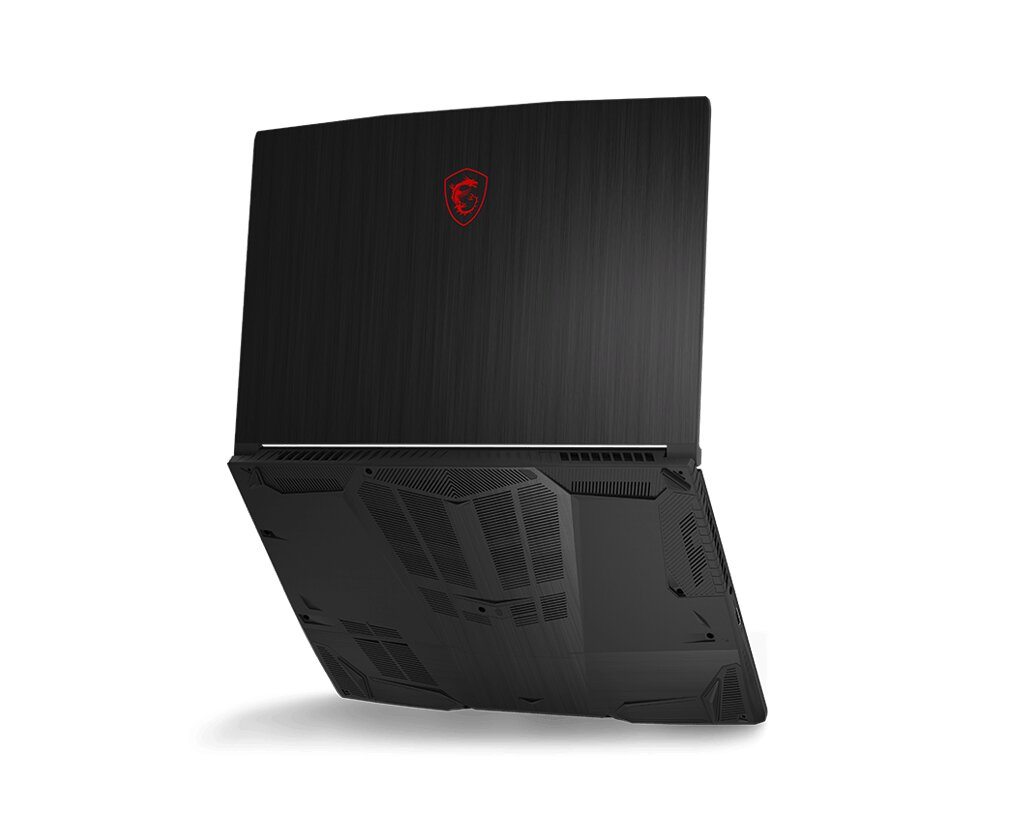
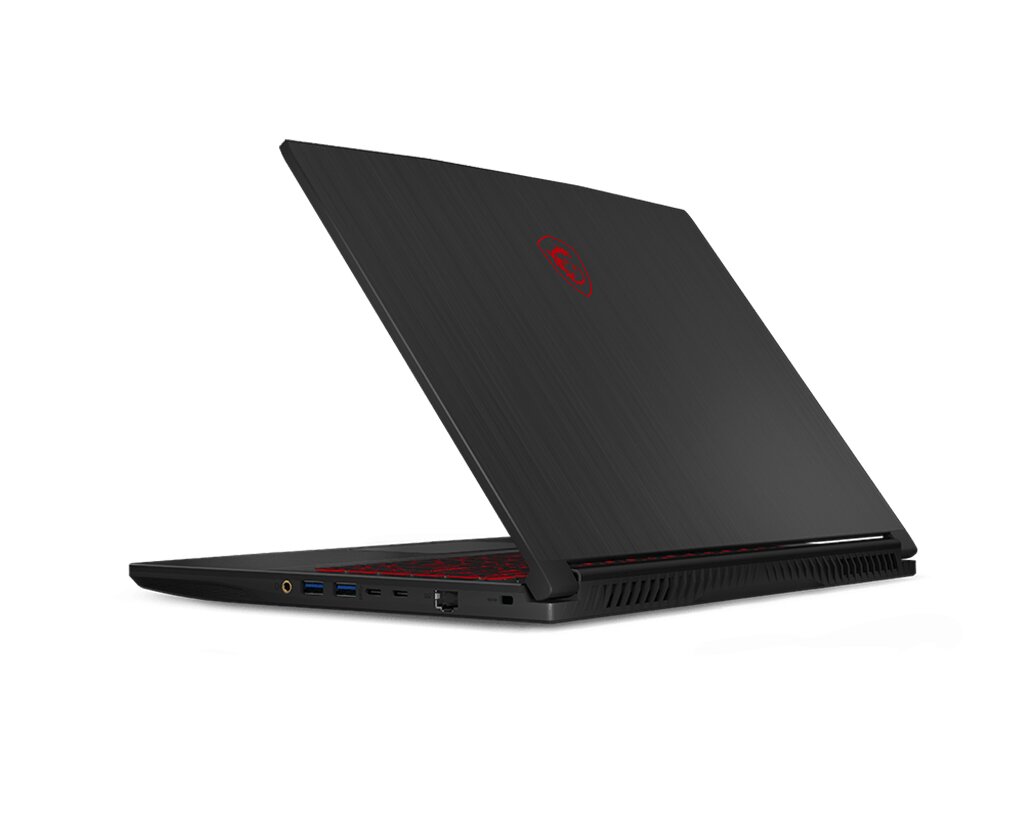
MSI GF63 11UD-276AU Thin gaming laptop supports DDR4-SDRAM memory upgrades with two SO-DIMM slots for maximum capacity of 64 GB RAM. The upgrade specifications include DDR4 memory operating at 3200 MHz frequency. Compatible memory modules utilize the SO-DIMM form factor standard for laptop installations. Current configuration allows for memory expansion through replacement or addition of DDR4-SDRAM modules meeting the specified frequency and slot requirements. Maximum supported RAM capacity reaches 64 GB total when both SO-DIMM slots are populated with compatible memory upgrades.
Memory Upgrade Specifications
| Specification | Value |
|---|---|
| Memory slots | 2x SO-DIMM |
| Form factor | SO-DIMM |
| Memory type | DDR4-SDRAM |
| Frequency | 3200 MHz |
| Maximum RAM | 64 GB |
| Voltage | 1.2V |
| Number of pins | 260-pin |
| Interface | PC4 |
| PC Speed Rating | PC4-3200 (PC4-25600) |
| Bandwidth | 25.6 GB/s |
| Laptop Release date | 03 May 2022 |
Additional Notes
- The MSI GF63 11UD-276AU Thin supports dual-channel memory architecture through its 2 SO-DIMM slots, enabling increased bandwidth when paired modules operate simultaneously compared to single-stick configurations.
- DDR4-3200 represents the native speed specification, though actual operating frequency depends on CPU memory controller limitations and JEDEC fallback profiles if modules exceed supported rates.
- The 64 GB ceiling requires 32 GB modules per slot, which narrows compatibility to higher-density chips that may carry premium pricing compared to standard 8 GB or 16 GB options.
- SO-DIMM form factor restricts installation to physically shorter modules than desktop DIMM standards, preventing use of standard desktop memory despite matching DDR4 type and speed ratings.
- Mixing modules with different speeds forces the memory controller to downclock all sticks to the slowest installed frequency, potentially reducing system performance below the 3200 MHz specification.
- Bottom panel removal typically grants access to both memory slots without full disassembly, though specific chassis design determines whether both slots remain accessible or one requires motherboard extraction.
- Third-party upgrades beyond factory configurations generally preserve warranty coverage for memory-related replacements, unlike soldered-on systems where RAM remains permanently fixed.
- Dual-rank modules offer higher density but may introduce slight latency penalties compared to single-rank equivalents at identical speeds, affecting memory-sensitive workloads differently than synthetic benchmarks suggest.
- Operating voltage remains standardized at 1.2V for DDR4, eliminating compatibility concerns related to high-voltage overclocking profiles that desktop systems sometimes accommodate.