MSI Gaming GF63 12VE-009XES Thin RAM upgrade specifications
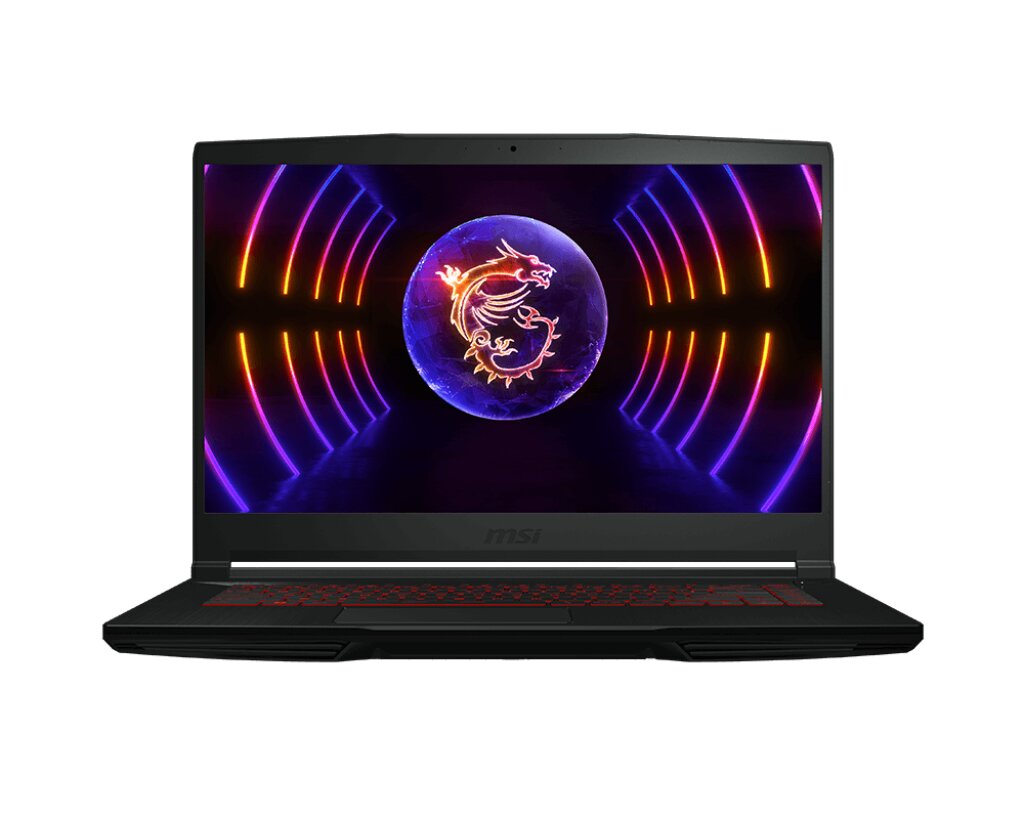
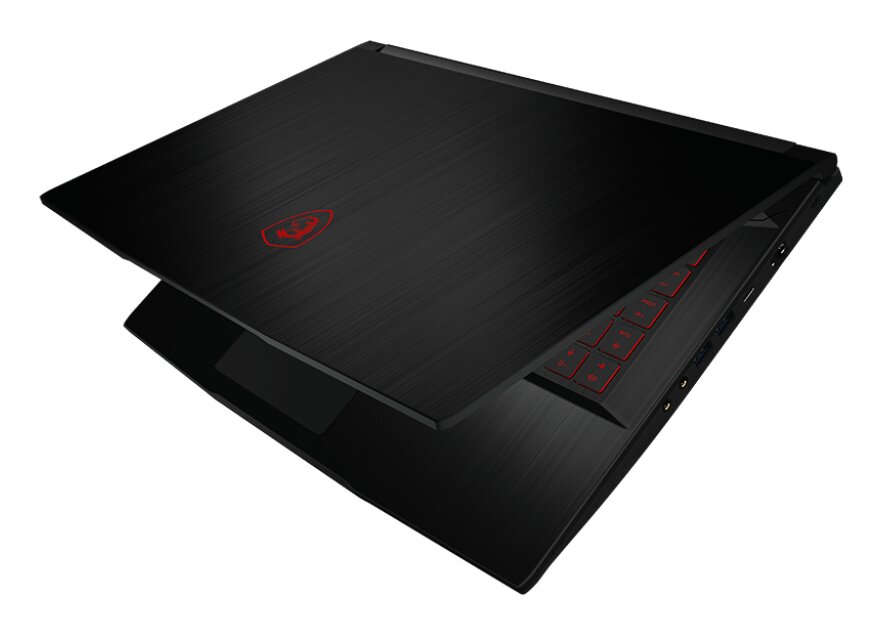
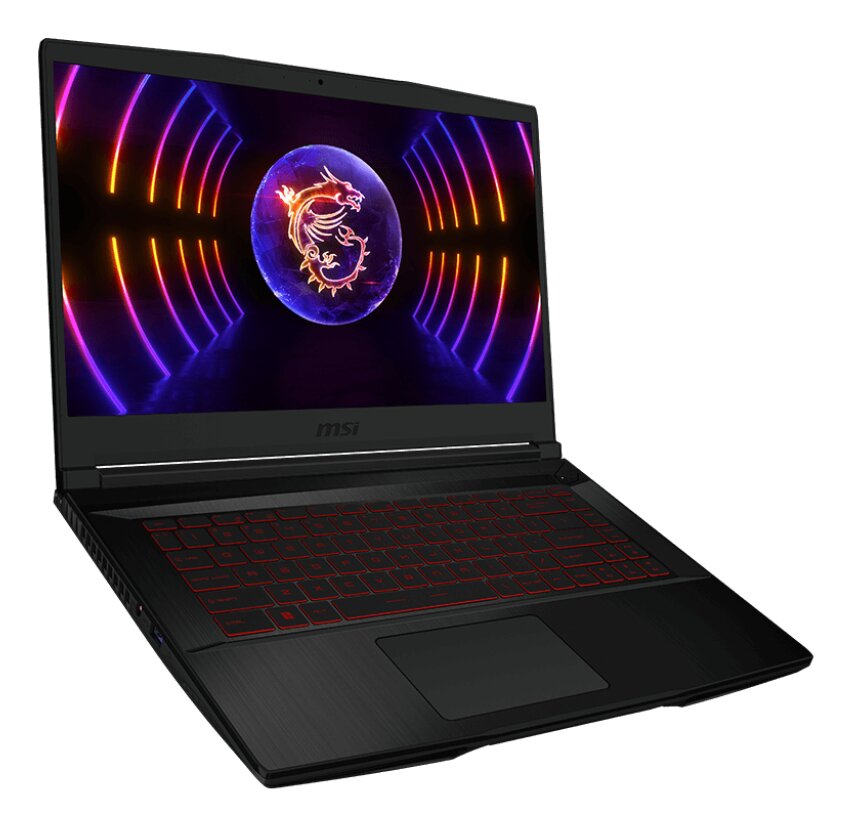
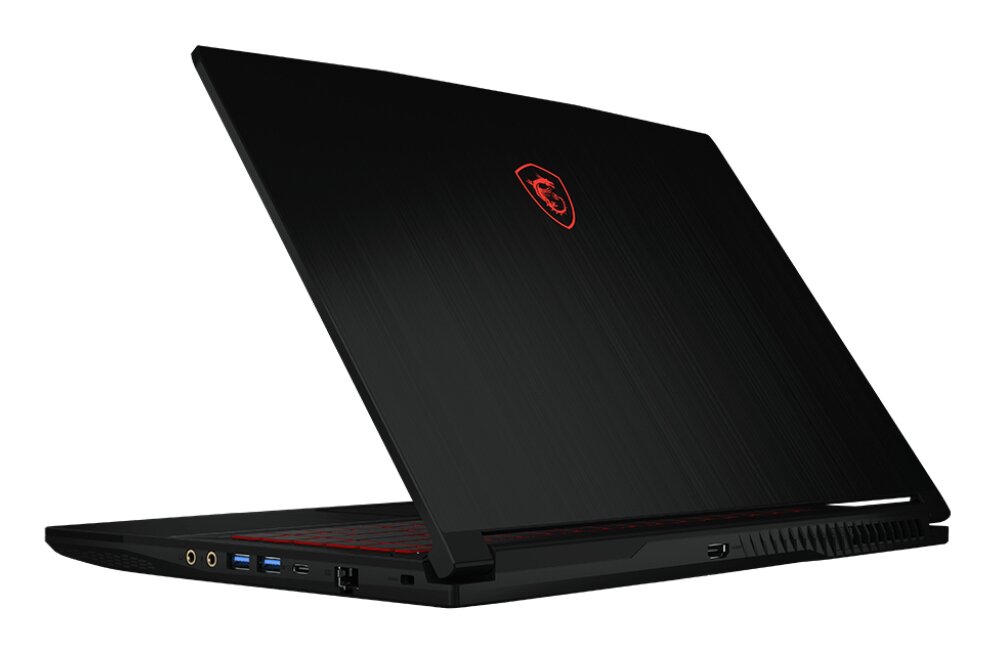
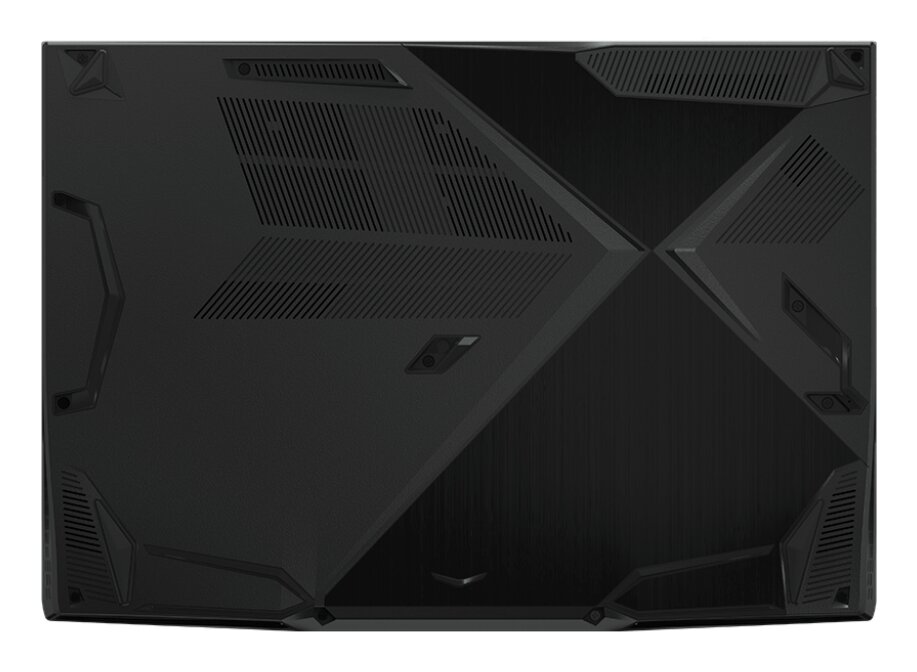
MSI GF63 12VE-009XES Thin gaming laptop supports DDR4-SDRAM memory upgrades with dual SO-DIMM slots. Maximum compatible RAM capacity reaches 64 GB total, operating at 3200 MHz frequency. Upgrade specifications include two replaceable memory slots accommodating SO-DIMM form factor modules, enabling users to expand system memory from factory configuration to maximum supported capacity.
Memory Upgrade Specifications
| Specification | Value |
|---|---|
| Memory slots | 2x SO-DIMM |
| Form factor | SO-DIMM |
| Memory type | DDR4-SDRAM |
| Frequency | 3200 MHz |
| Maximum RAM | 64 GB |
| Voltage | 1.2V |
| Number of pins | 260-pin |
| Interface | PC4 |
| PC Speed Rating | PC4-3200 (PC4-25600) |
| Bandwidth | 25.6 GB/s |
Additional Notes
- The MSI GF63 12VE-009XES Thin supports only DDR4 memory, which became obsolete in 2022 when DDR5 adoption began. Future motherboard replacements or system upgrades will require sourcing increasingly scarce DDR4 modules, elevating long-term replacement costs and availability risk.
- With 2 SO-DIMM slots at maximum 64 GB capacity, the system reaches its upgrade ceiling at 32 GB per module. Expanding beyond 32 GB requires replacing existing modules entirely rather than adding capacity, meaning any initial undersizing cannot be corrected through additive upgrades.
- DDR4-3200 MHz frequency indicates the memory controller operates at a fixed speed. Inserting faster DDR4 modules (3600 MHz or higher) will throttle performance to 3200 MHz due to hardware limitation, making premium-speed memory purchases ineffective for this platform.
- SO-DIMM physical form factor restricts compatibility to laptop-grade memory exclusively. Standard desktop DDR4 DIMMs are mechanically incompatible and will not fit the slots, eliminating repurposing options from decommissioned desktop systems.
- The 2-slot architecture creates a single point of failure: if one module fails, the system loses 50% of installed memory capacity rather than continuing at reduced performance. Redundancy is not possible with this configuration.
- DDR4-3200 memory paired with 12th-generation Intel mobility processors creates a bandwidth constraint typical of gaming laptops. The memory subsystem bandwidth caps out below what discrete graphics cards in this class can fully utilize, particularly under high-resolution gaming workloads.