MSI Gaming GF66 11UD-1253AU Katana RAM upgrade specifications
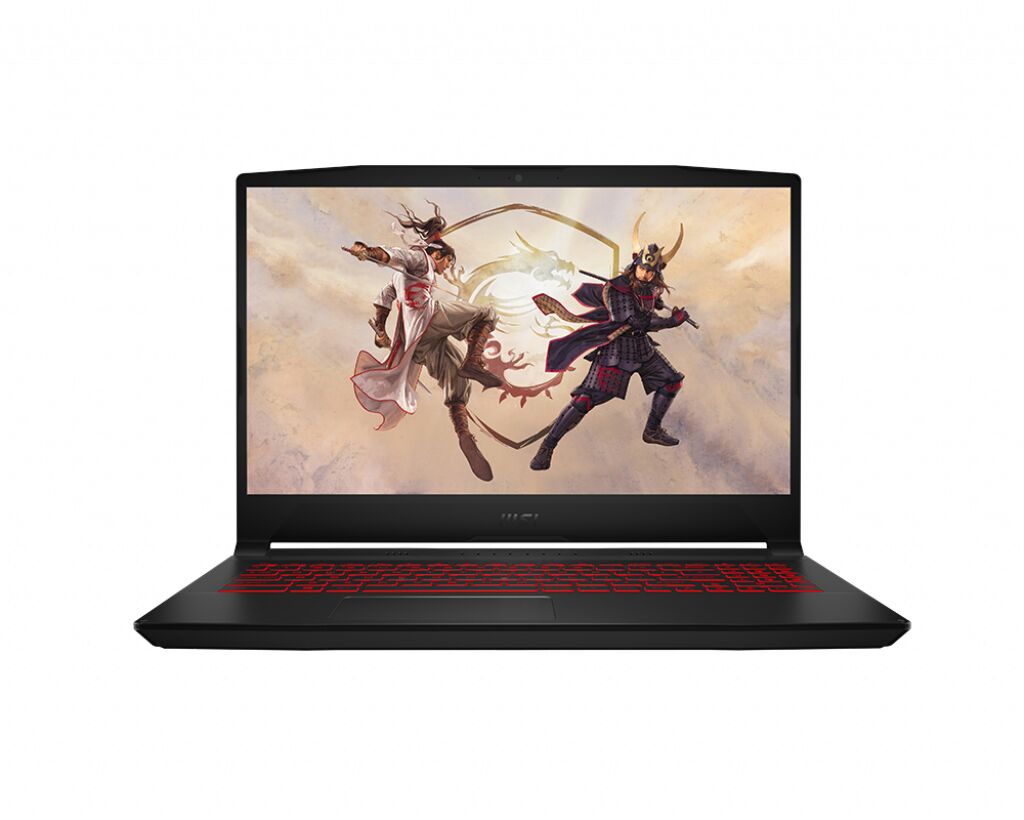
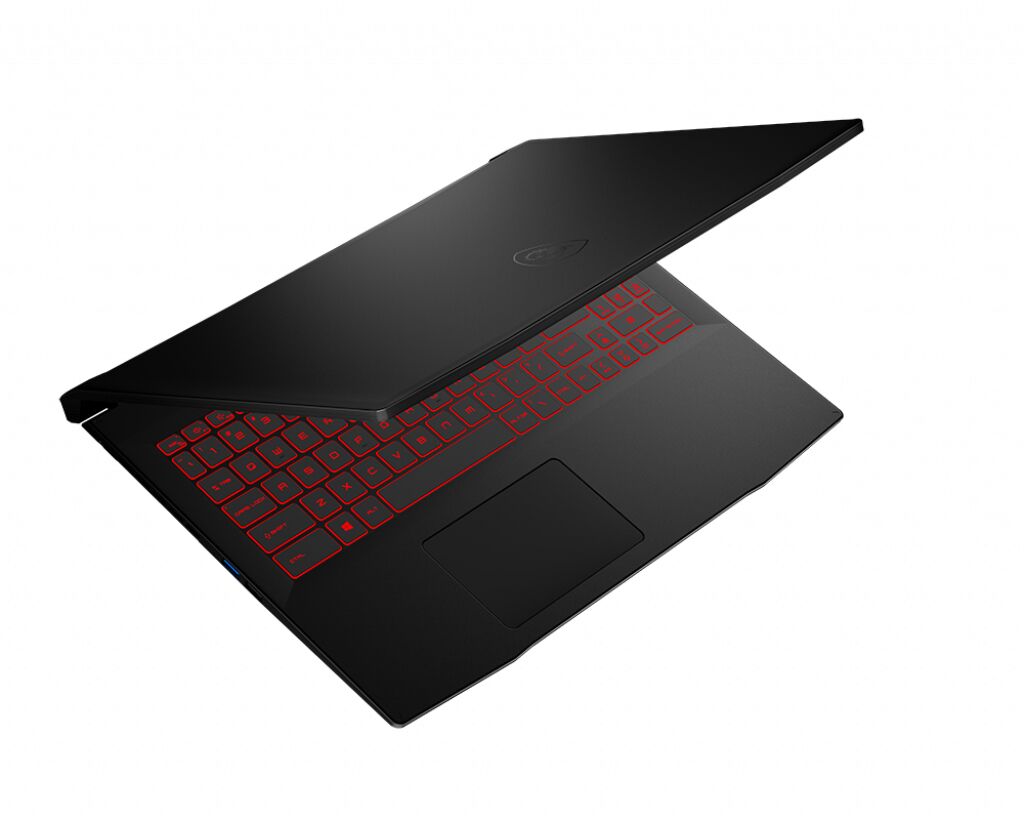
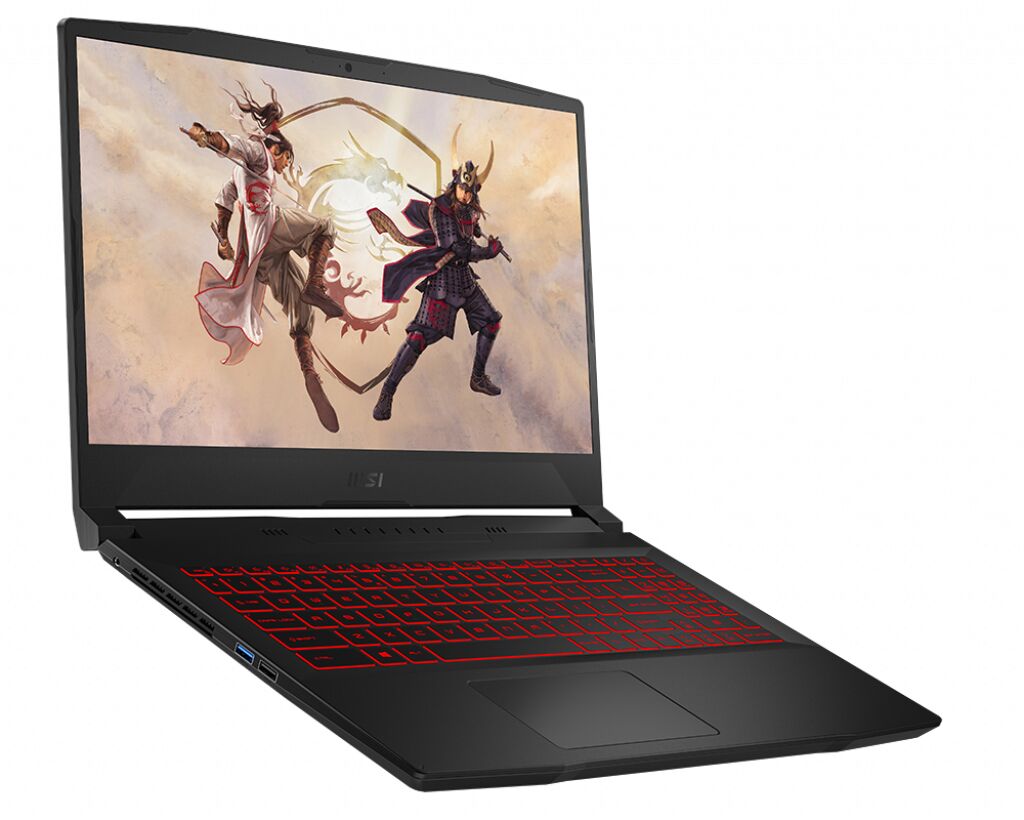
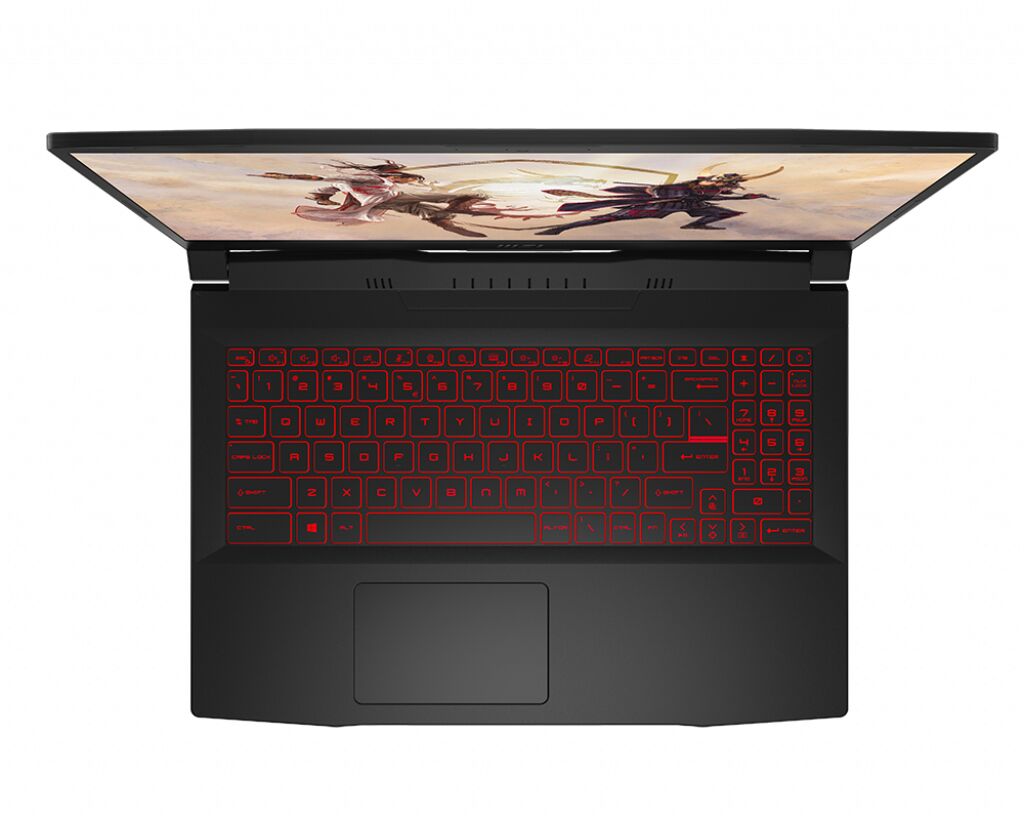
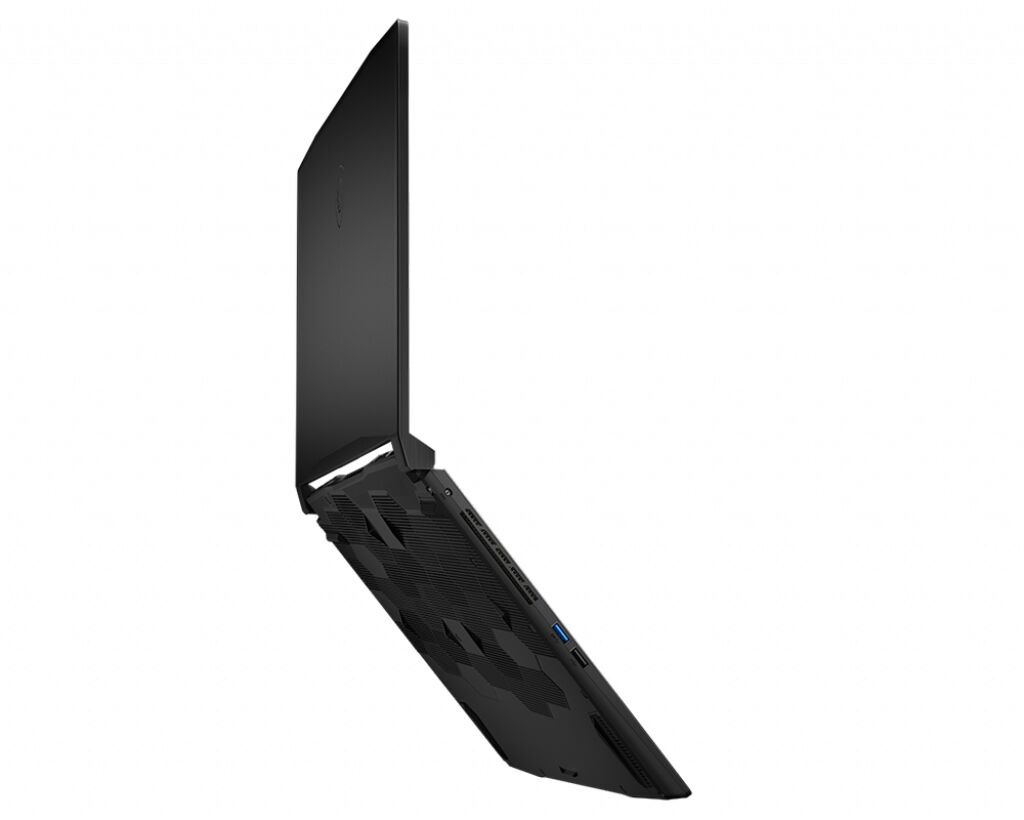
MSI GF66 11UD-1253AU Katana gaming laptop features DDR4-SDRAM memory upgrade capability with 2x SO-DIMM slots supporting maximum capacity of 64 GB. Compatible memory modules operate at 3200 MHz frequency using SO-DIMM form factor. Specifications indicate the gaming series GF supports memory expansion for enhanced multitasking and performance. Current configuration and upgrade pathways depend on existing installed capacity within the two available slots.
Memory Upgrade Specifications
| Specification | Value |
|---|---|
| Memory slots | 2x SO-DIMM |
| Form factor | SO-DIMM |
| Memory type | DDR4-SDRAM |
| Frequency | 3200 MHz |
| Maximum RAM | 64 GB |
| Voltage | 1.2V |
| Number of pins | 260-pin |
| Interface | PC4 |
| PC Speed Rating | PC4-3200 (PC4-25600) |
| Bandwidth | 25.6 GB/s |
| Laptop Release date | 22 July 2022 |
Additional Notes
- The MSI GF66 11UD-1253AU Katana accepts DDR4 modules exclusively, preventing installation of older DDR3 or newer DDR5 technologies due to incompatible pin configurations and voltage requirements.
- Dual-channel memory architecture becomes accessible when populating both SO-DIMM slots with matched capacity modules, potentially doubling memory bandwidth compared to single-module configurations.
- Physical access to memory slots typically requires bottom panel removal, which may involve breaking warranty seals depending on regional consumer protection regulations.
- The 64 GB ceiling translates to 2 modules of 32 GB each, requiring purchase of higher-density chips that may carry price premiums over standard 8 GB or 16 GB configurations.
- 3200 MHz represents the maximum supported frequency, meaning faster modules will downclock automatically to this speed without performance benefits.
- SO-DIMM form factor compliance excludes standard desktop DIMM modules, which are physically incompatible despite sharing DDR4 technology.
- Modules operating below 3200 MHz will function but underutilize the memory controller's capability, creating unnecessary bandwidth restrictions for integrated graphics and data-intensive applications.
- Non-matching module capacities between slots maintain functionality but sacrifice dual-channel mode on the portion exceeding the smaller module's size.
- ECC memory modules remain incompatible with consumer-grade chipsets typically found in gaming-oriented laptops, despite using DDR4 technology.
- Voltage specifications implicitly require 1.2V standard DDR4 modules, as higher voltage variants designed for overclocking may cause stability issues or rejection by the memory controller.