MSI Gaming GF66 11UG-830IT Katana RAM upgrade specifications
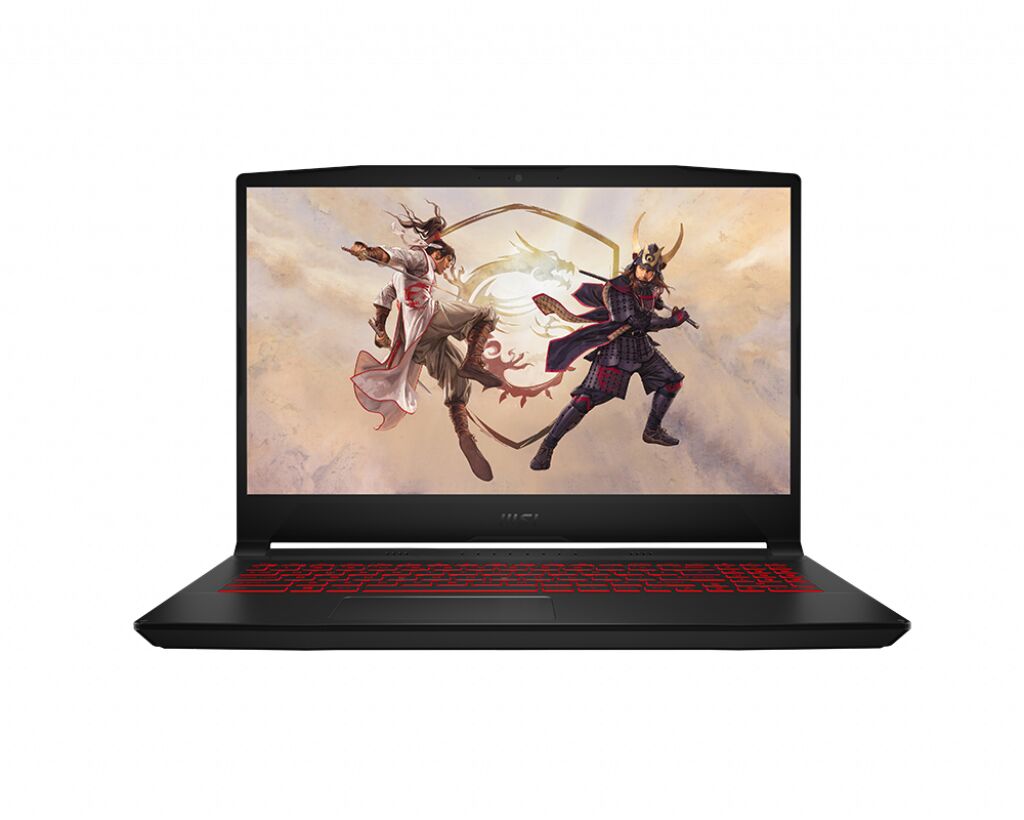
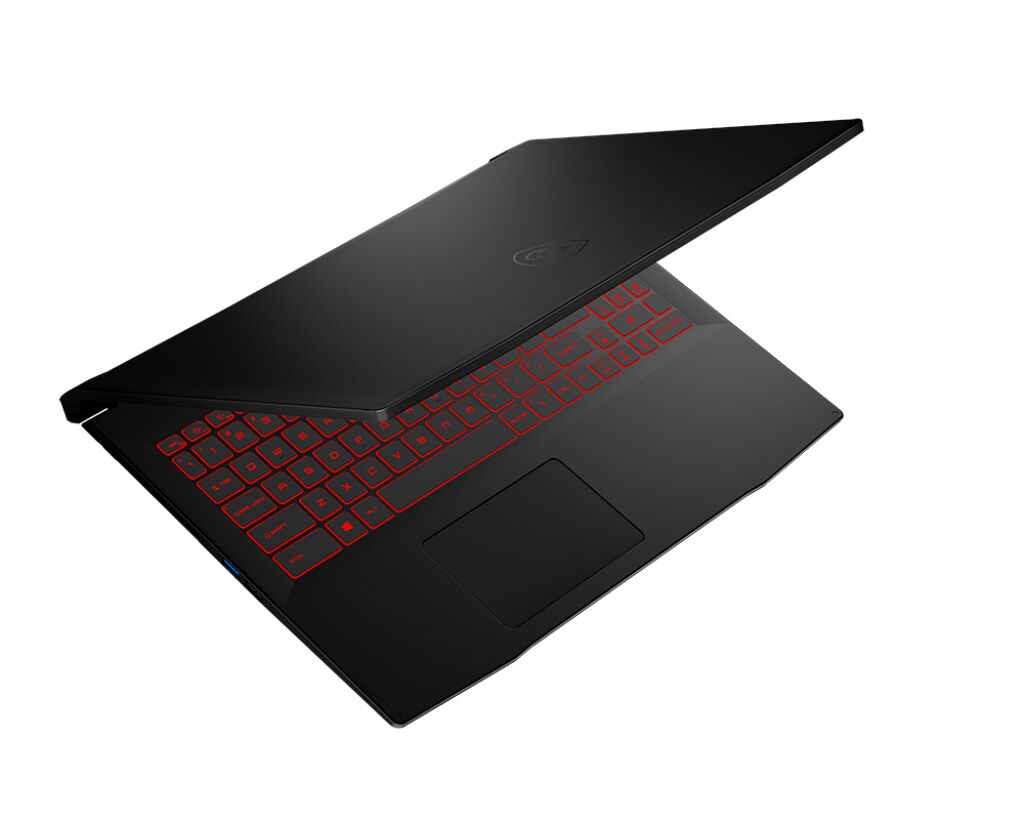
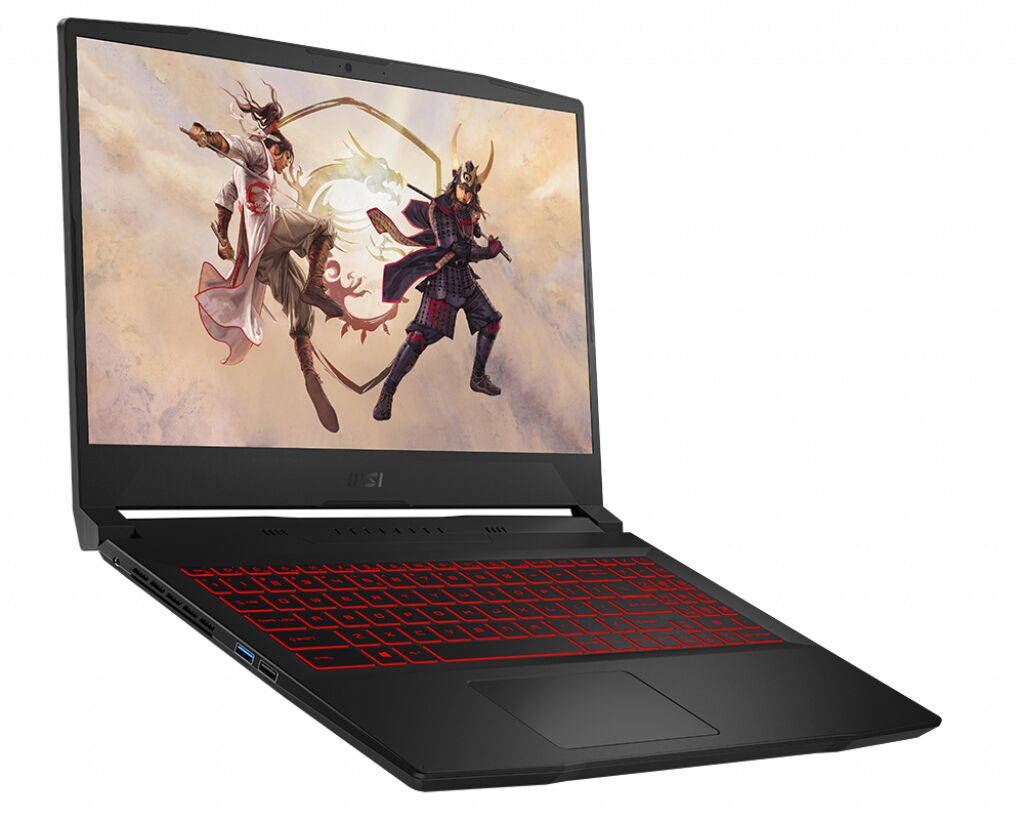
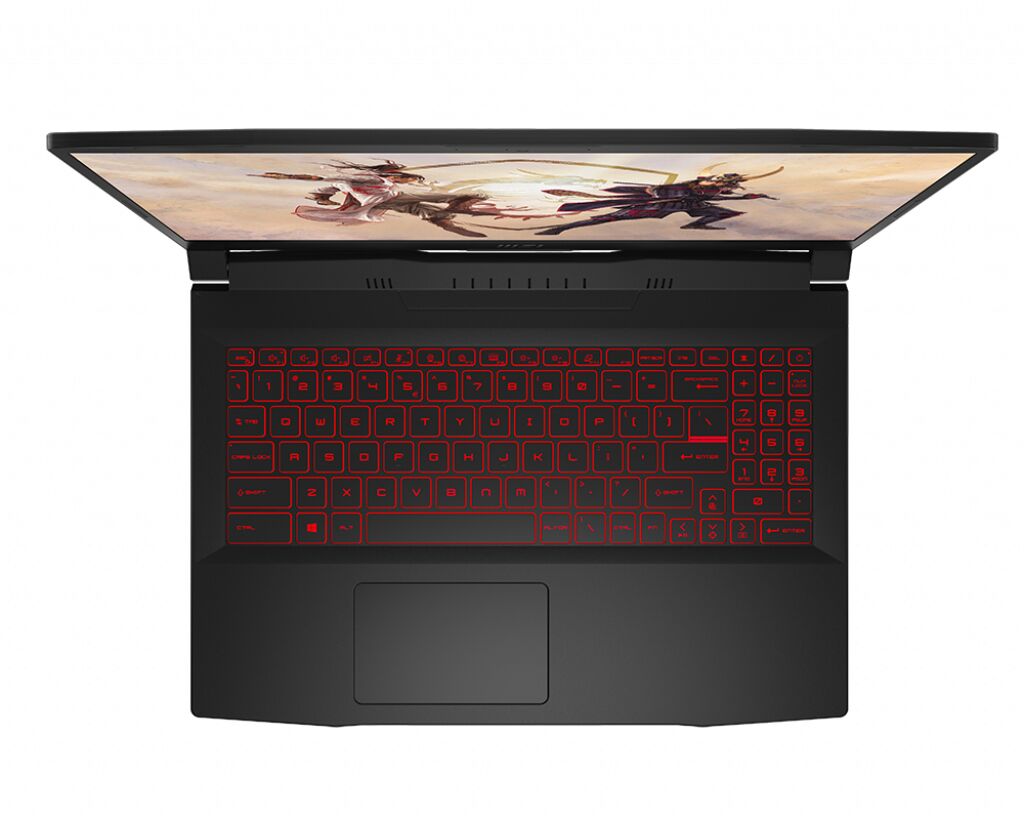
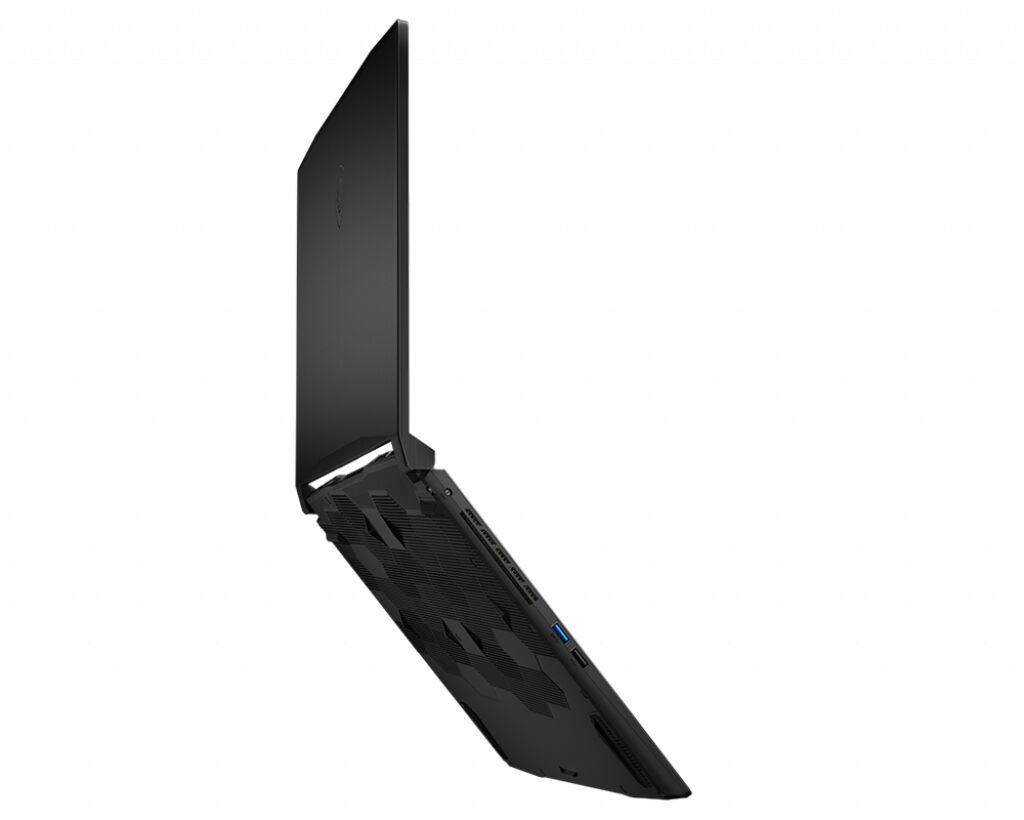
MSI GF66 11UG-830IT Katana gaming laptop supports DDR4-SDRAM memory upgrades through two SO-DIMM slots. The upgrade specifications indicate maximum RAM capacity of 64 GB total, with compatible memory operating at 3200 MHz frequency. The SO-DIMM form factor defines the physical dimensions required for upgrade compatibility. Current memory slots accommodate modular expansion, allowing users to increase system RAM according to specifications. MSI GF series gaming laptops feature these standardized memory upgrade configurations for performance enhancement.
Memory Upgrade Specifications
| Specification | Value |
|---|---|
| Memory slots | 2x SO-DIMM |
| Form factor | SO-DIMM |
| Memory type | DDR4-SDRAM |
| Frequency | 3200 MHz |
| Maximum RAM | 64 GB |
| Voltage | 1.2V |
| Number of pins | 260-pin |
| Interface | PC4 |
| PC Speed Rating | PC4-3200 (PC4-25600) |
| Bandwidth | 25.6 GB/s |
| Laptop Release date | 19 April 2022 |
Additional Notes
- The dual-slot configuration permits dual-channel memory architecture which significantly increases memory bandwidth compared to single-channel setups.
- Upgrading the MSI GF66 11UG-830IT Katana beyond the factory capacity requires replacing both existing modules because no additional unoccupied slots exist.
- The motherboard chipset limits memory speed to 3200 MHz, meaning modules with higher rated frequencies will downclock to match the hardware controller limit.
- Reaching the 64 GB threshold involves installing 2 matching 32 GB modules to ensure system stability and timing parity.
- Physical installation is restricted to the 260-pin SO-DIMM standard which is incompatible with desktop DIMM slots or older DDR3 hardware.
- Lower latency CL22 or CL20 modules may improve processing times but must operate at 1.2V to remain within standard DDR4 power delivery specifications.
- Memory modules must be non-ECC unbuffered types as registered server memory will prevent the system from completing the power-on self-test.