MSI Gaming GF66 12UC-067AU Katana RAM upgrade specifications

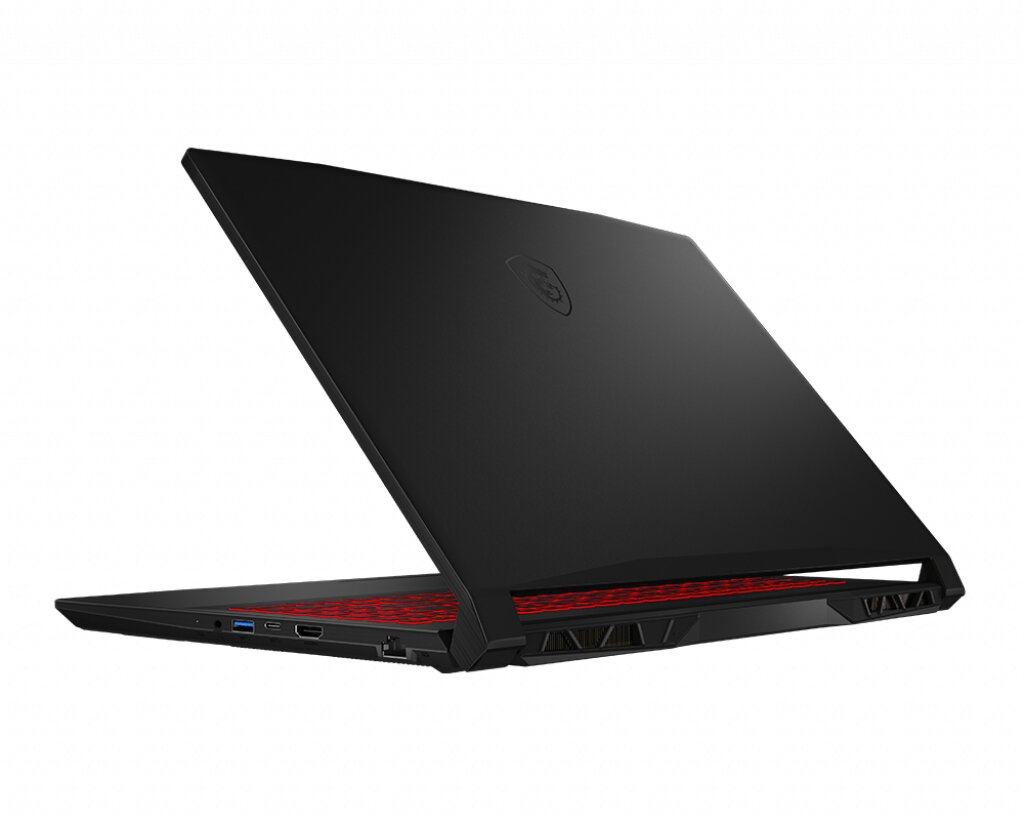
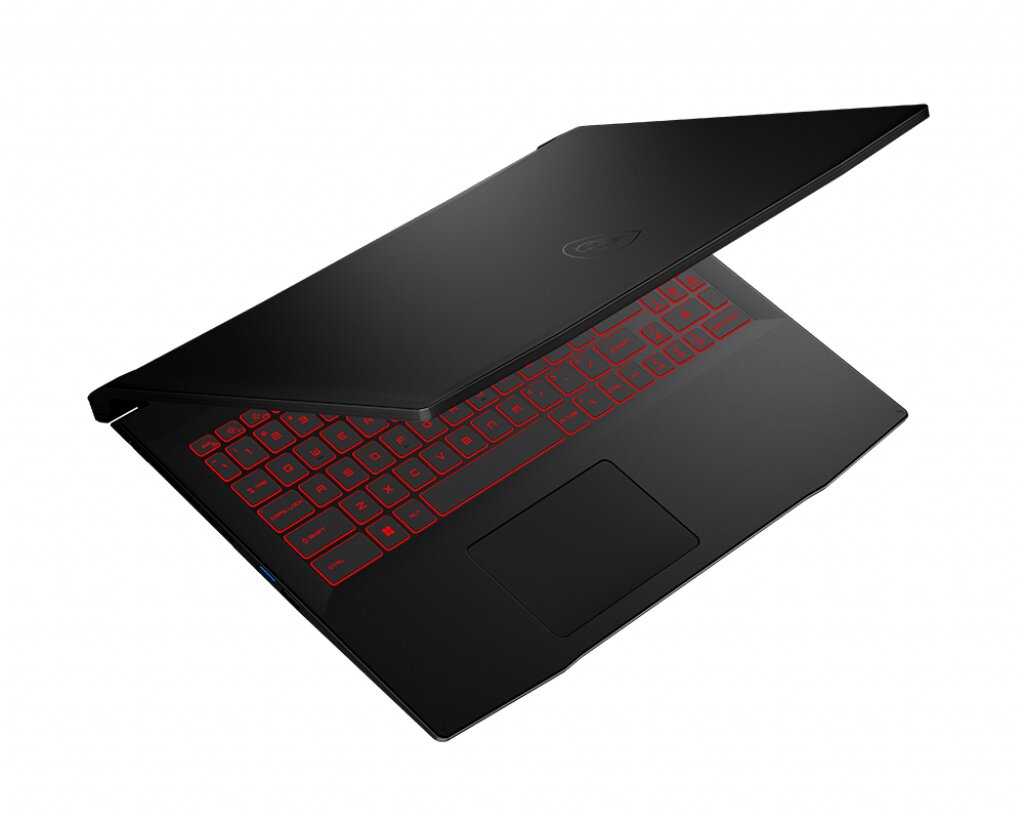

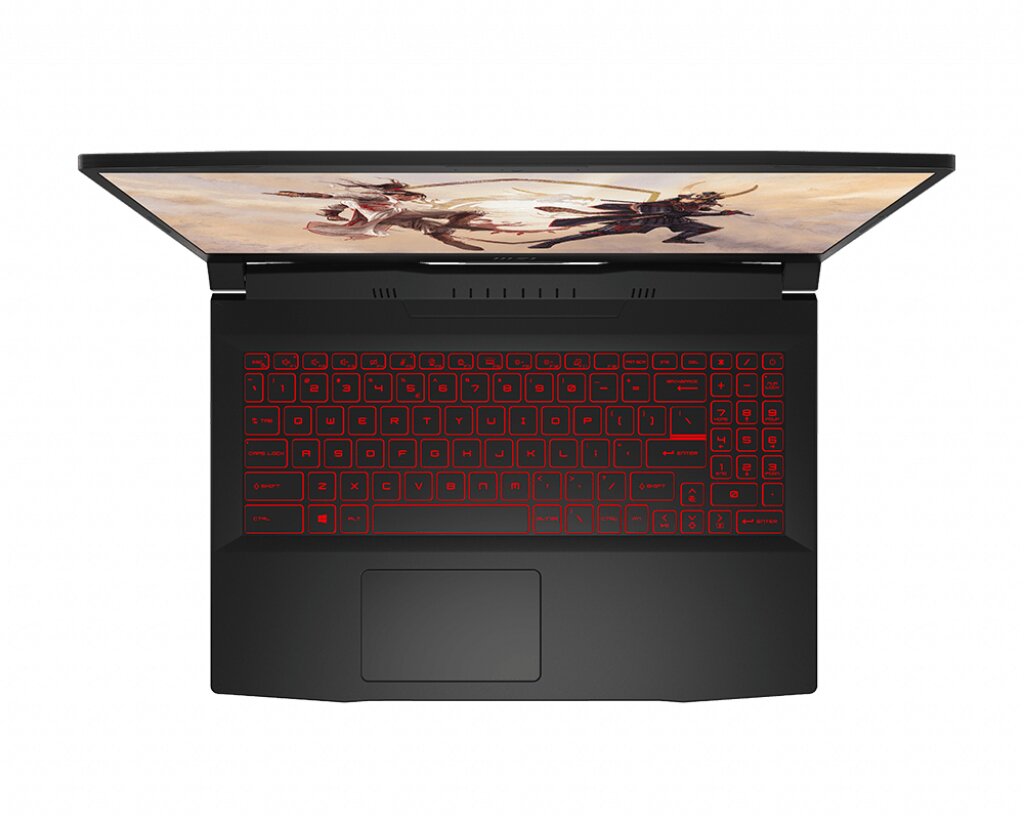
MSI GF66 12UC-067AU Katana gaming laptop memory upgrade specifications feature DDR4-SDRAM technology with dual SO-DIMM slots. Maximum RAM capacity reaches 64 GB total, supporting 3200 MHz frequency operation. Compatible memory modules utilize SO-DIMM form factor for laptop installation. Upgrade slots accommodate standard DDR4 specifications, enabling system memory expansion beyond original factory configuration.
Memory Upgrade Specifications
| Specification | Value |
|---|---|
| Memory slots | 2x SO-DIMM |
| Form factor | SO-DIMM |
| Memory type | DDR4-SDRAM |
| Frequency | 3200 MHz |
| Maximum RAM | 64 GB |
| Voltage | 1.2V |
| Number of pins | 260-pin |
| Interface | PC4 |
| PC Speed Rating | PC4-3200 (PC4-25600) |
| Bandwidth | 25.6 GB/s |
| Laptop Release date | 31 August 2022 |
Additional Notes
- Dual channel memory architecture requires installing symmetrical modules in pairs to achieve the peak theoretical bandwidth supported by the processor.
- The MSI GF66 12UC-067AU Katana utilizes a SODIMM mechanical interface which precludes the installation of desktop DIMM modules or low power integrated LPDDR memory.
- System stability at the 64 GB maximum threshold depends on the internal memory controller voltage tolerances and may require matched latency timings across both slots.
- Installing modules with higher advertised frequencies than 3200 MHz will result in automatic downclocking to the motherboard bus limit.
- Accessing the internal memory slots requires removal of the bottom chassis cover which may involve piercing factory seal stickers in certain regional jurisdictions.
- Memory density limitations dictate that 32 GB modules must be utilized in each slot to reach the total addressable capacity ceiling.
- The use of DDR4 technology indicates a physical incompatibility with newer DDR5 hardware due to different notch positions and signaling voltages.
- Performance gains in heavy multitasking environments are achieved by populating both slots to enable 128 bit memory bus width rather than the 64 bit width of a single module.