MSI Gaming GF75 10SER-416MX Thin RAM upgrade specifications
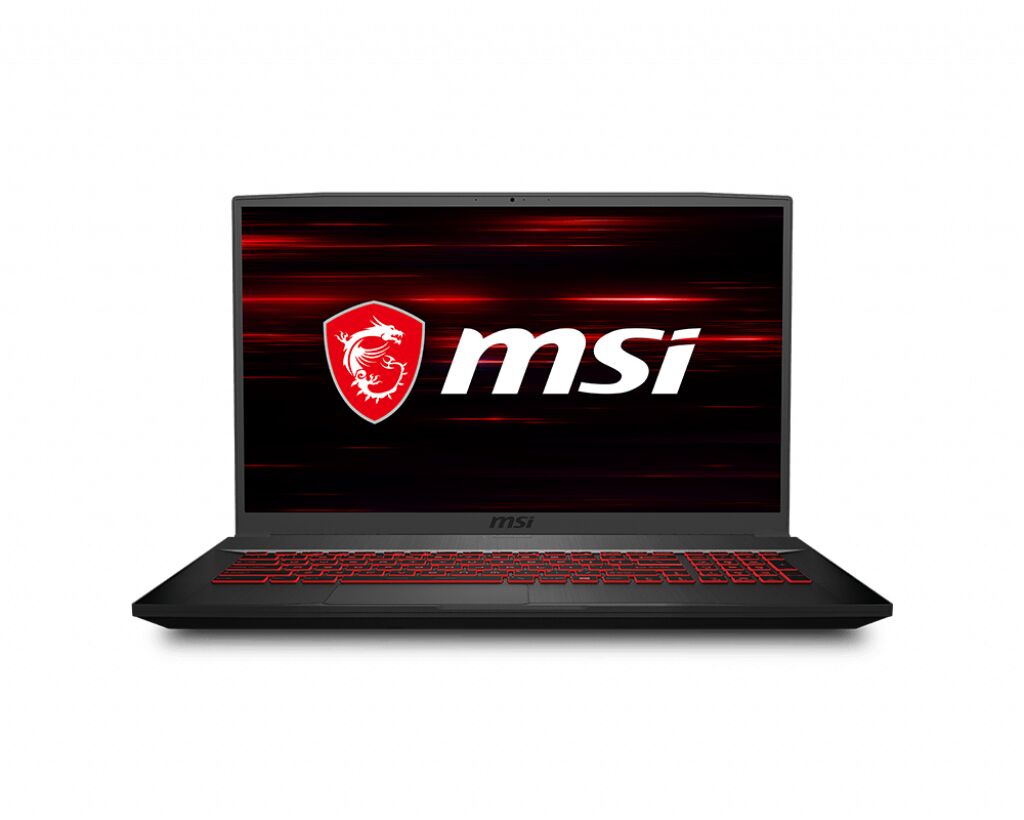
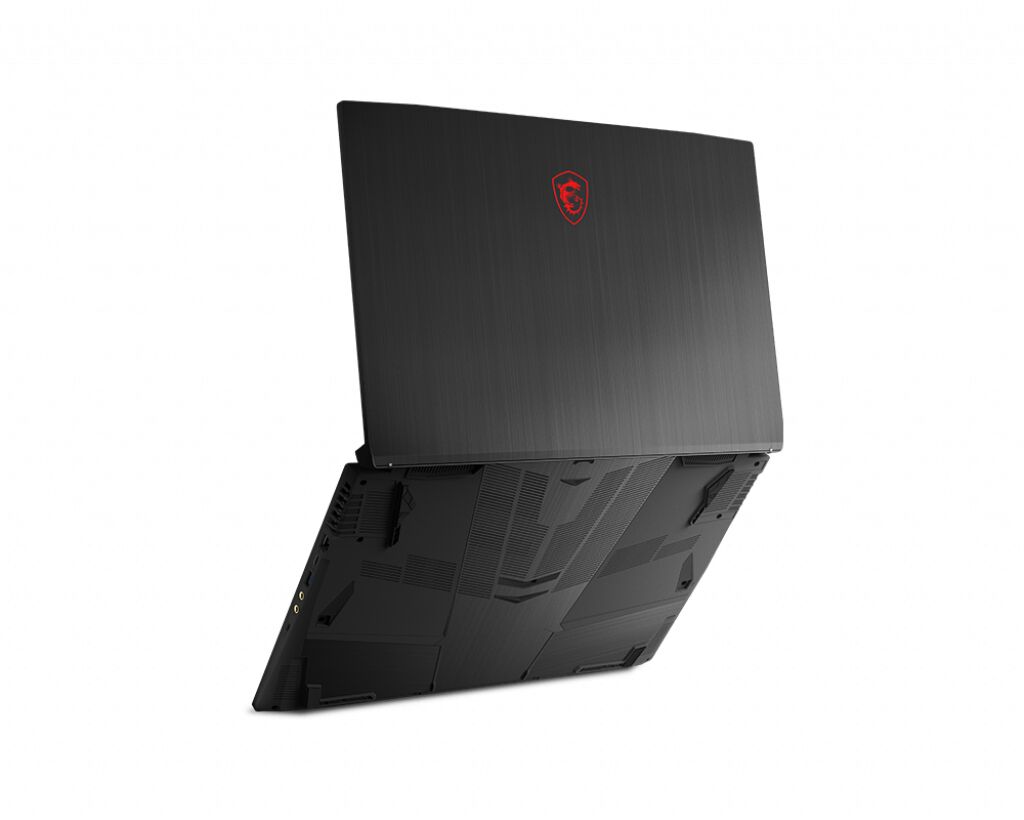
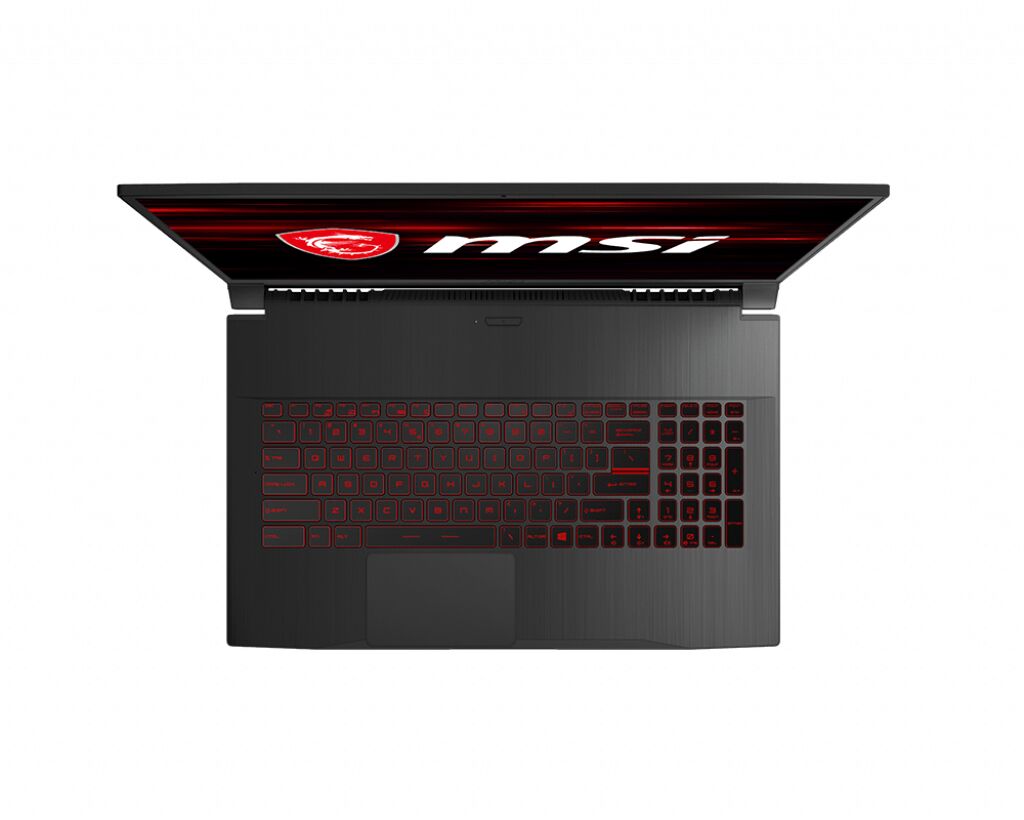


The MSI GF75 10SER-416MX Thin Gaming series laptop features DDR4-SDRAM memory upgrade specifications with two SO-DIMM slots supporting maximum capacity of 64 GB RAM. Compatible memory modules operate at 2666 MHz frequency. The Gaming GF series supports SO-DIMM form factor memory upgrades, allowing users to expand the laptop's RAM capacity through the available slots for enhanced performance compatibility with the GF75 10SER-416MX Thin specifications.
Memory Upgrade Specifications
| Specification | Value |
|---|---|
| Memory slots | 2x SO-DIMM |
| Form factor | SO-DIMM |
| Memory type | DDR4-SDRAM |
| Frequency | 2666 MHz |
| Maximum RAM | 64 GB |
| Voltage | 1.2V |
| Number of pins | 260-pin |
| Interface | PC4 |
| PC Speed Rating | PC4-2666 (PC4-21328) |
| Bandwidth | 21.3 GB/s |
| Laptop Release date | 11 November 2020 |
Additional Notes
- The DDR4-2666 specification indicates the MSI GF75 10SER-416MX Thin operates on JEDEC standard timings, typically CL19, which means lower-cost modules will function without requiring XMP profile support.
- The 64 GB maximum capacity requires 2x 32 GB modules, which narrows compatibility to dual-rank SO-DIMM configurations rather than single-rank alternatives commonly found in 8 GB and 16 GB densities.
- The 2666 MHz frequency ceiling is enforced by the Intel 10th generation Comet Lake processor's integrated memory controller, meaning faster rated modules will downclock automatically to this speed.
- Dual-channel architecture across both SO-DIMM slots provides 42.6 GB/s theoretical bandwidth when populated symmetrically, critical for mitigating the RTX 2060 GPU bottleneck in VRAM-intensive rendering tasks.
- Mismatched module capacities between slots will still enable dual-channel operation up to the smaller module's size via flex mode, though asymmetric configurations reduce effective bandwidth beyond that threshold.
- The absence of ECC support in the consumer DDR4-SDRAM specification means error-correcting modules are physically incompatible, despite sharing the 260-pin SO-DIMM interface.
- Thermal constraints in the thin chassis design may throttle performance if modules lack integrated heat spreaders, particularly when sustaining write-intensive workloads above 60°C operating temperature.
- Non-soldered SO-DIMM slots preserve user-serviceable upgrade paths without voiding manufacturer warranty, provided modules meet JEDEC voltage standards of 1.2V rather than overclocked 1.35V variants.
- Single-module configurations sacrifice half the available memory bandwidth regardless of capacity, creating pronounced frame-time variance in GPU-bound gaming scenarios compared to matched pairs.