MSI Gaming GF75 10SER-479FR Thin RAM upgrade specifications
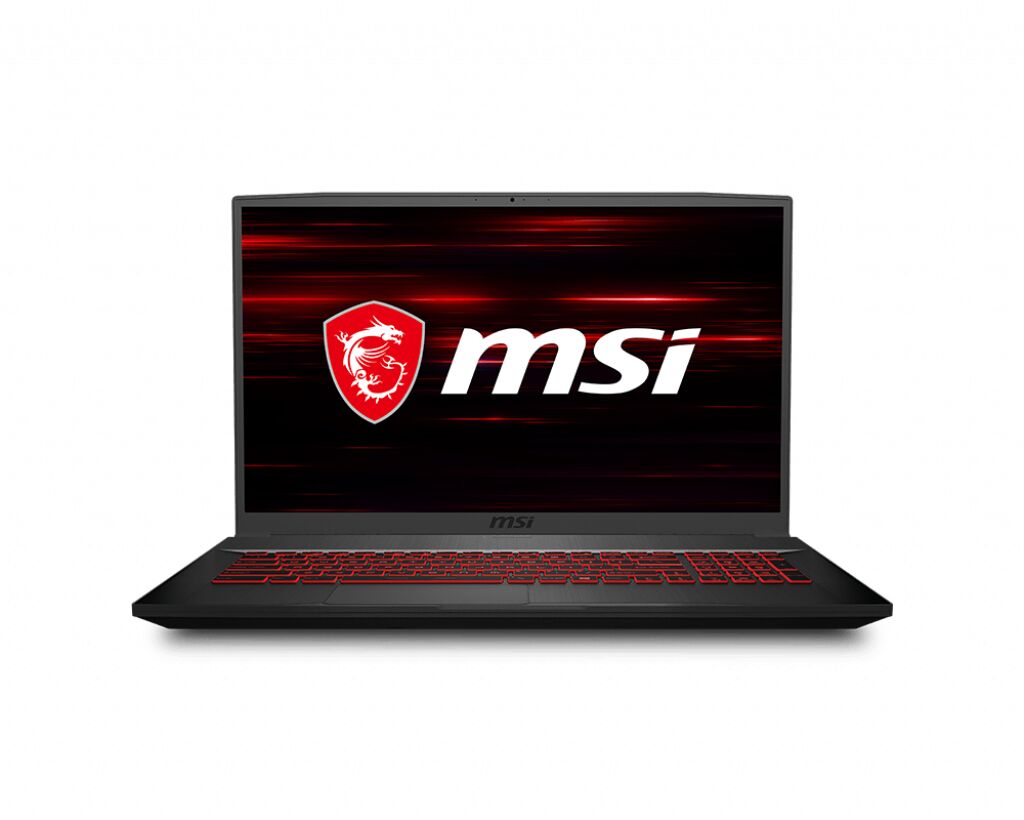
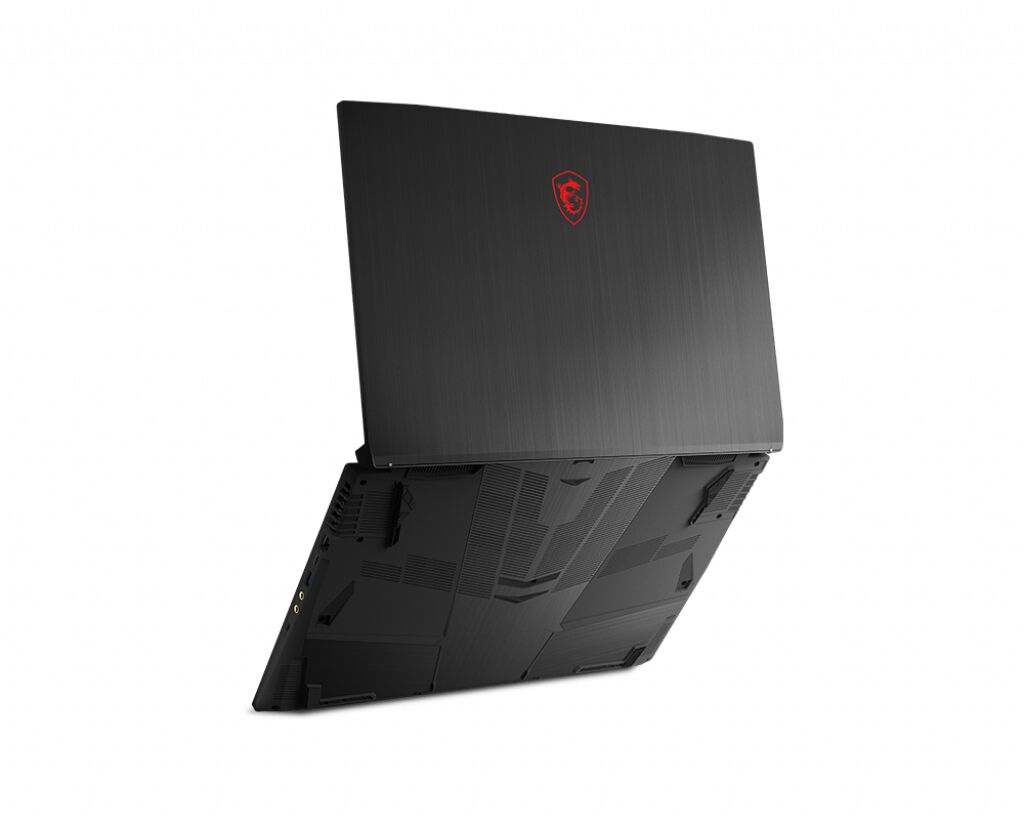
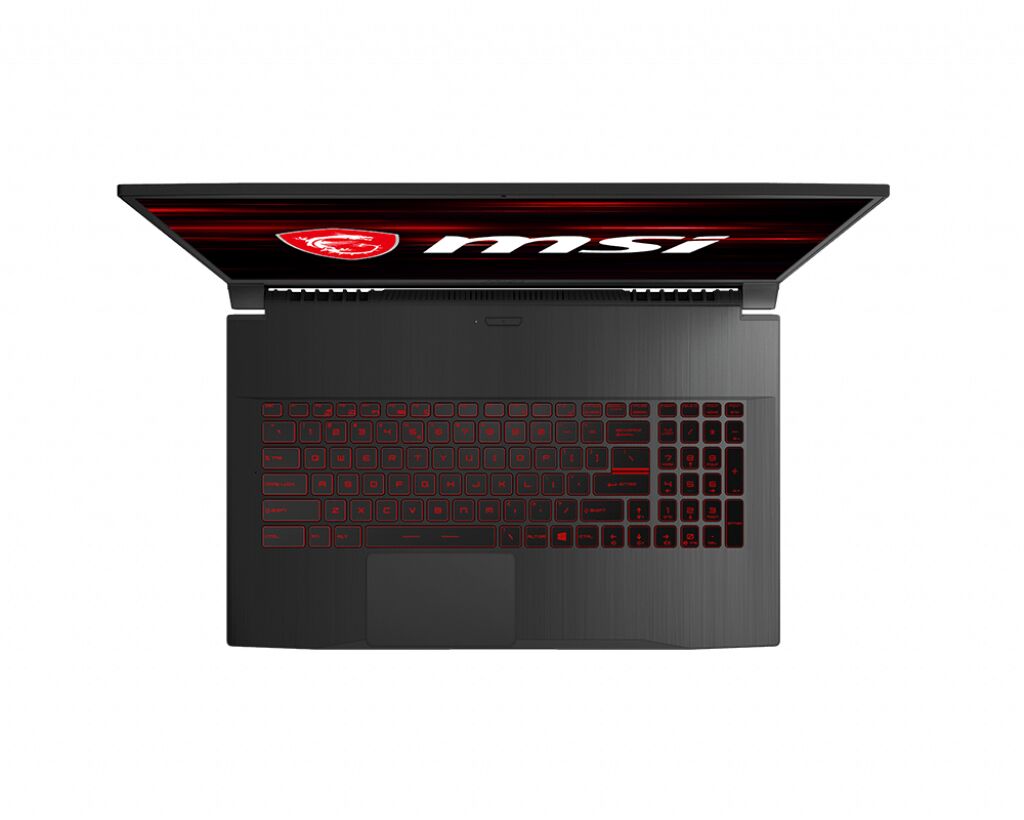
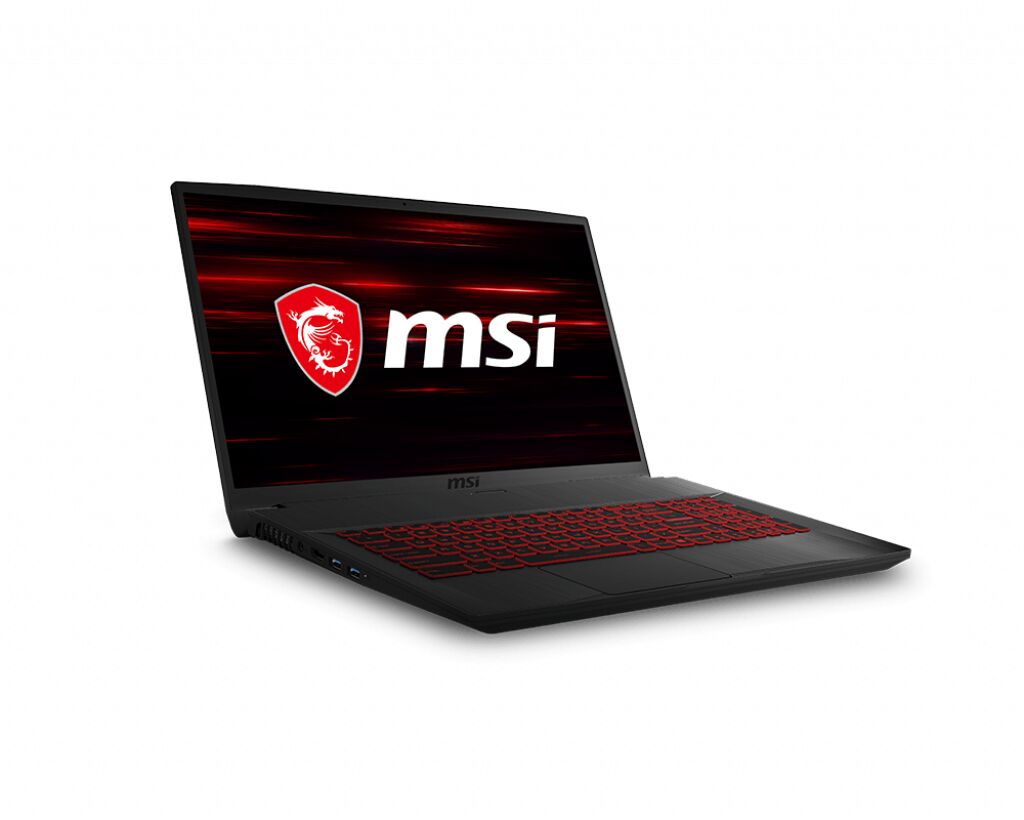
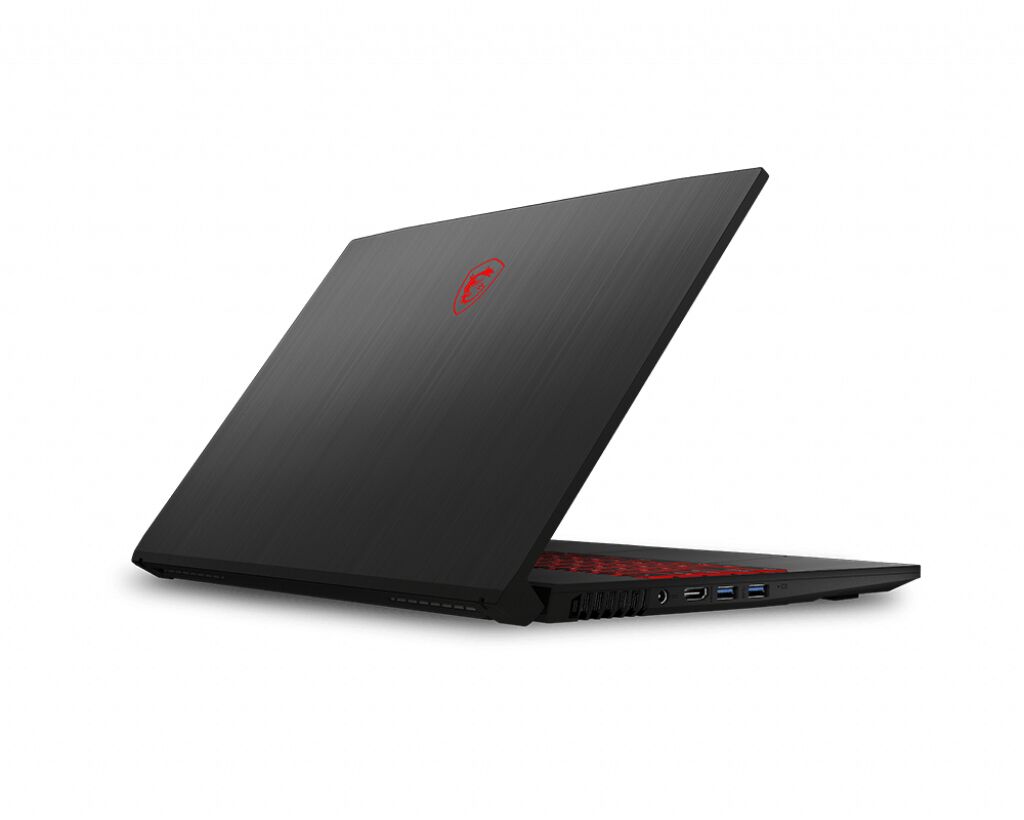
MSI GF75 10SER-479FR Thin gaming laptop supports DDR4-SDRAM memory upgrades through two SO-DIMM slots. The system accommodates maximum RAM capacity of 64 GB, operating at 2666 MHz frequency. This upgrade configuration allows users to expand memory specifications beyond factory-installed capacity, with compatible SO-DIMM form factor modules available for enhanced multitasking and performance optimization on the GF series platform.
Memory Upgrade Specifications
| Specification | Value |
|---|---|
| Memory slots | 2x SO-DIMM |
| Form factor | SO-DIMM |
| Memory type | DDR4-SDRAM |
| Frequency | 2666 MHz |
| Maximum RAM | 64 GB |
| Voltage | 1.2V |
| Number of pins | 260-pin |
| Interface | PC4 |
| PC Speed Rating | PC4-2666 (PC4-21328) |
| Bandwidth | 21.3 GB/s |
| Laptop Release date | 20 January 2021 |
Additional Notes
- The MSI GF75 10SER-479FR Thin chipset architecture limits memory speed to 2666 MHz regardless of installed module ratings, meaning higher frequency modules will downclock automatically.
- Dual-channel configuration requires matched pairs for optimal bandwidth, as mismatched capacities or timings force single-channel operation on the unmatched portion.
- The 64 GB maximum capacity restricts individual module size to 32 GB per slot when fully populated.
- SO-DIMM form factor physically differs from desktop DIMM modules, requiring laptop-specific components for compatibility.
- DDR4 voltage specifications remain fixed at 1.2V standard, preventing use of DDR3L or DDR5 modules despite physical slot similarities.
- Memory controller bandwidth peaks at 21.3 GB/s theoretical throughput when both slots operate in dual-channel mode at 2666 MHz.
- Single-slot configurations halve available memory bandwidth compared to dual-channel setups, directly impacting integrated graphics performance and large dataset processing.
- Thermal constraints in thin chassis designs may require low-profile SO-DIMM modules without heat spreaders to maintain proper airway clearance.
- Non-ECC unbuffered modules remain the only supported type, as registered or error-correcting memory requires server-grade chipset features.
- Module accessibility depends on bottom panel removal, with potential warranty implications if manufacturer seals require breaking during installation.