MSI Gaming GF76 11UD-650NL Katana RAM upgrade specifications




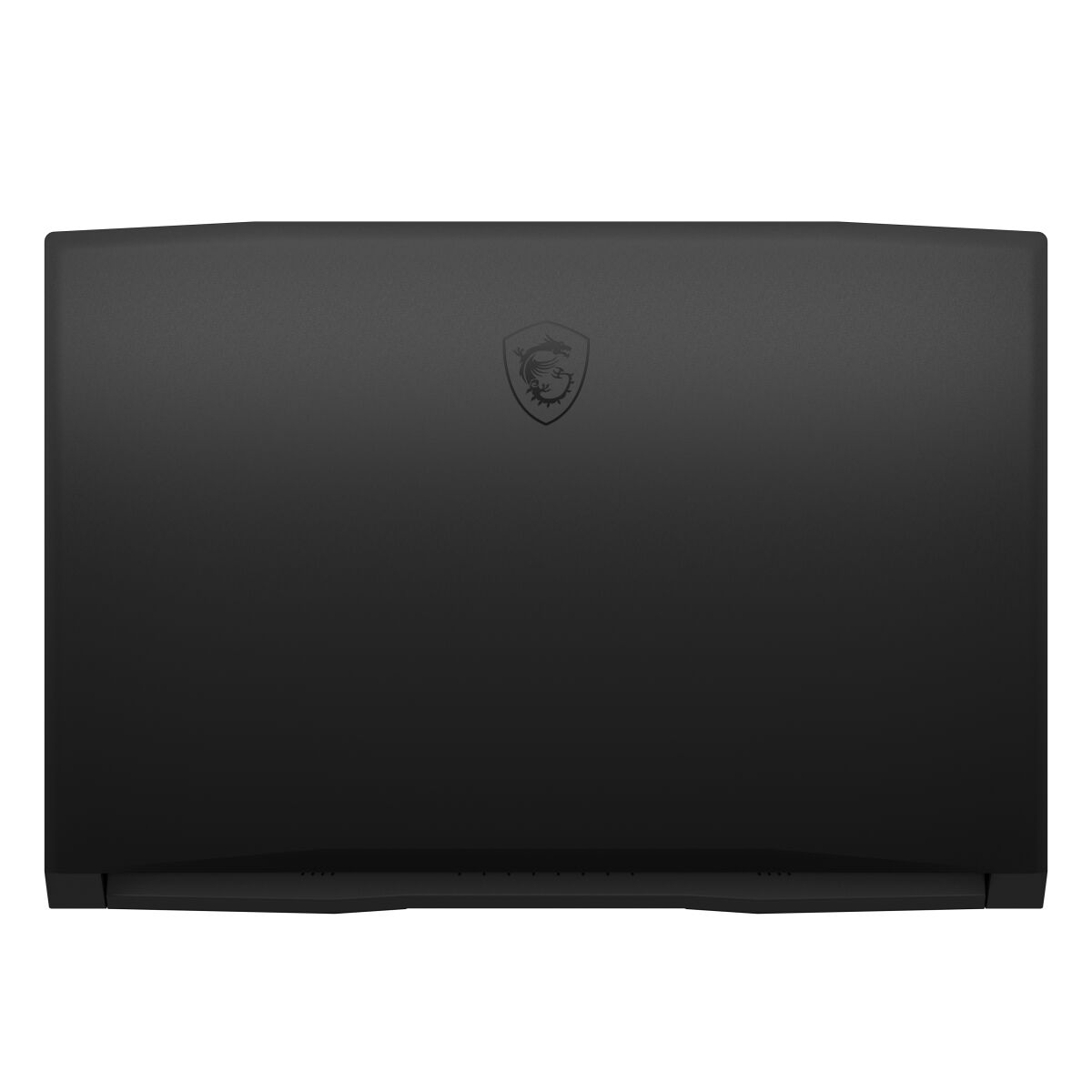
MSI GF76 11UD-650NL Katana gaming laptop specifications support DDR4-SDRAM memory upgrades. The device features 2x SO-DIMM slots for RAM expansion. Maximum compatible memory capacity reaches 64 GB total. Standard operating frequency for the memory modules is 3200 MHz. SO-DIMM form factor modules are required for upgrade compatibility. Current memory configuration and available slots allow for RAM expansion to meet increased performance demands for gaming and computing applications.
Memory Upgrade Specifications
| Specification | Value |
|---|---|
| Memory slots | 2x SO-DIMM |
| Form factor | SO-DIMM |
| Memory type | DDR4-SDRAM |
| Frequency | 3200 MHz |
| Maximum RAM | 64 GB |
| Voltage | 1.2V |
| Number of pins | 260-pin |
| Interface | PC4 |
| PC Speed Rating | PC4-3200 (PC4-25600) |
| Bandwidth | 25.6 GB/s |
| Laptop Release date | 26 January 2022 |
Additional Notes
- Dual-channel memory architecture requires matching module capacities and timings across both slots to eliminate bandwidth bottlenecks during heavy gaming or rendering tasks.
- The absence of soldered memory on the motherboard allows for a total replacement of the factory modules rather than being limited to a single expansion slot.
- Operating at the maximum frequency requires a processor with a memory controller capable of supporting high-speed transfer rates without downclocking to lower JEDEC standards.
- The MSI GF76 11UD-650NL Katana physical chassis design necessitates a non-marring pry tool for internal access as the bottom panel integrates the thermal intake mesh.
- Installation of high-capacity 32 GB modules in each slot reaches the firmware ceiling and prevents further volatile memory expansion for the lifespan of the motherboard.
- Latency performance depends on choosing modules with low Column Address Strobe values because the system cannot utilize Desktop DIMM profiles due to the compact laptop form factor.
- Upgrading to the 64 GB limit improves background process handling and prevents data swapping to the slower storage drive during memory-intensive professional workloads.