MSI Gaming GF76 12UE-234FR Katana RAM upgrade specifications
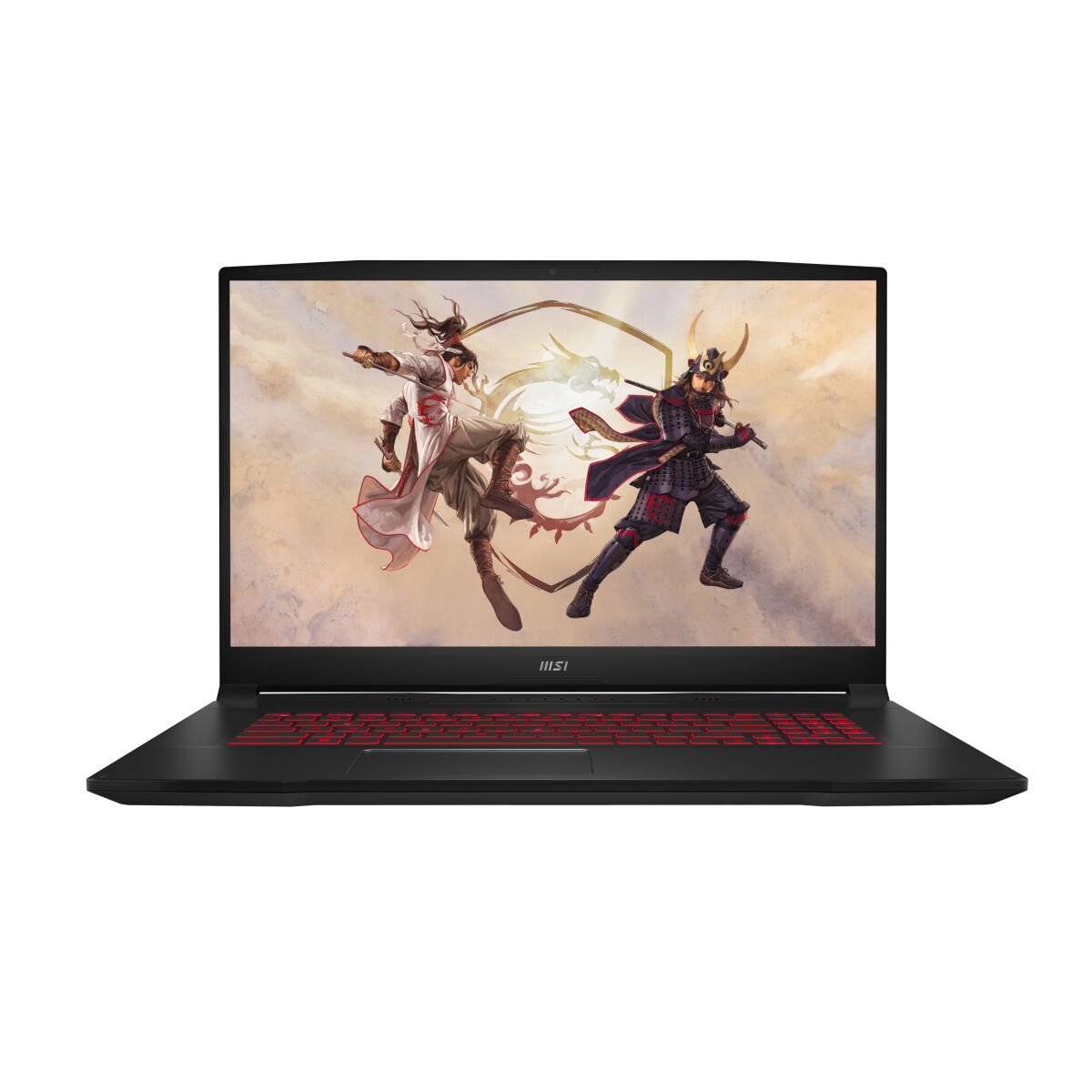
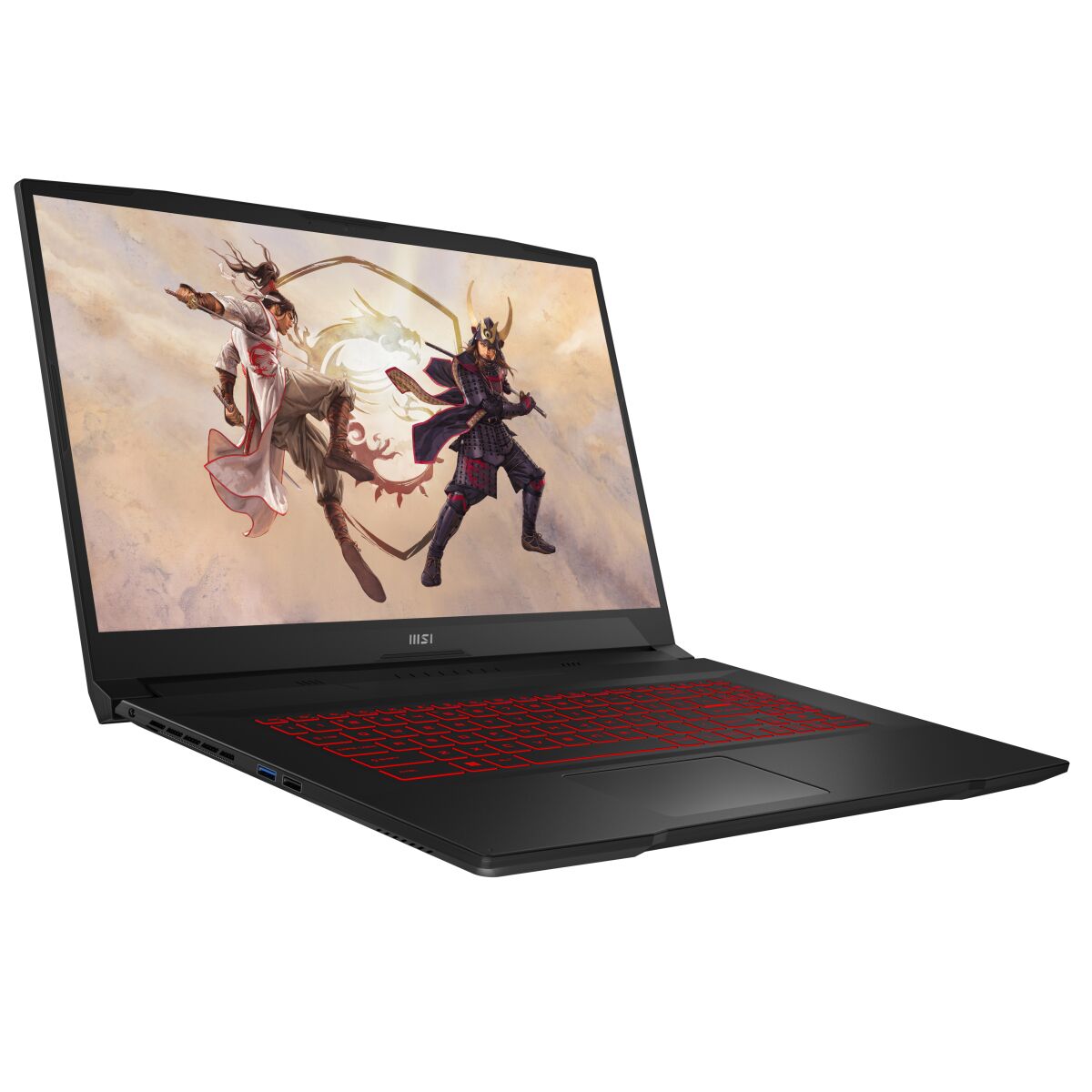

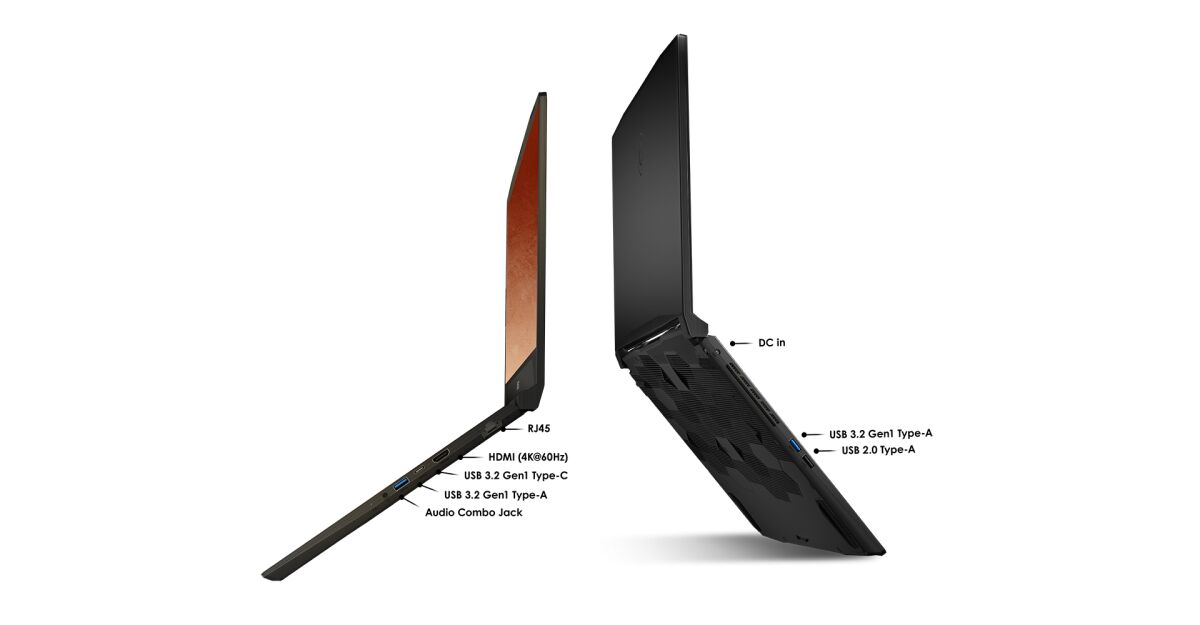
The MSI GF76 12UE-234FR Katana gaming laptop features DDR4-SDRAM memory specifications with two SO-DIMM slots for RAM upgrades. The memory upgrade supports a maximum capacity of 64 GB total, operating at 3200 MHz frequency. Compatible DDR4 modules in SO-DIMM form factor can be installed in either slot to enhance system performance. The GF series laptop accepts standard DDR4 memory upgrades, allowing users to expand memory capacity beyond factory configurations for improved multitasking and gaming capabilities.
Memory Upgrade Specifications
| Specification | Value |
|---|---|
| Memory slots | 2x SO-DIMM |
| Form factor | SO-DIMM |
| Memory type | DDR4-SDRAM |
| Frequency | 3200 MHz |
| Maximum RAM | 64 GB |
| Voltage | 1.2V |
| Number of pins | 260-pin |
| Interface | PC4 |
| PC Speed Rating | PC4-3200 (PC4-25600) |
| Bandwidth | 25.6 GB/s |
| Laptop Release date | 29 April 2022 |
Additional Notes
- The DDR4-3200 specification indicates this MSI GF76 12UE-234FR Katana operates on JEDEC standard voltage of 1.2V, which prevents compatibility with older DDR3 or DDR3L modules despite similar physical SO-DIMM dimensions.
- The 64 GB maximum capacity suggests an Intel 12th generation controller architecture with dual-channel memory support, enabling 32 GB modules per slot when using appropriate density configurations.
- Dual SO-DIMM sockets require matched pairs of identical specification modules to activate dual-channel mode, which doubles effective memory bandwidth from 25.6 GB/s to 51.2 GB/s per channel.
- Installing a single module forces the memory controller into single-channel operation, halving available bandwidth and creating potential performance bottlenecks in GPU-intensive workloads that rely on shared system memory.
- The 3200 MHz frequency represents the maximum JEDEC standard speed for this generation, though actual operating frequency depends on CPU memory controller specifications and may default to 2933 MHz without XMP profile activation in BIOS.
- Access to internal SO-DIMM slots typically requires bottom panel removal, which may involve voiding warranty seals depending on regional consumer protection regulations and manufacturer policies.
- Mixing modules of different capacities while maintaining identical speed and timing specifications remains technically functional but may disable flex mode, forcing the controller to operate all memory at the lowest common denominator configuration.
- Non-ECC unbuffered modules represent the only compatible architecture for this consumer-grade platform, as registered or ECC memory types require server-class chipsets not present in gaming-oriented laptops.
- CAS latency specifications affect real-world performance independently of frequency ratings, with CL22 modules at 3200 MHz delivering approximately 13.75 nanoseconds of latency compared to CL20's 12.5 nanoseconds.
- Thermal considerations within the laptop chassis may throttle memory performance during sustained loads, particularly when modules exceed JEDEC thermal design parameters of 85°C junction temperature.