MSI Gaming GF76 12UE-629FR Katana RAM upgrade specifications
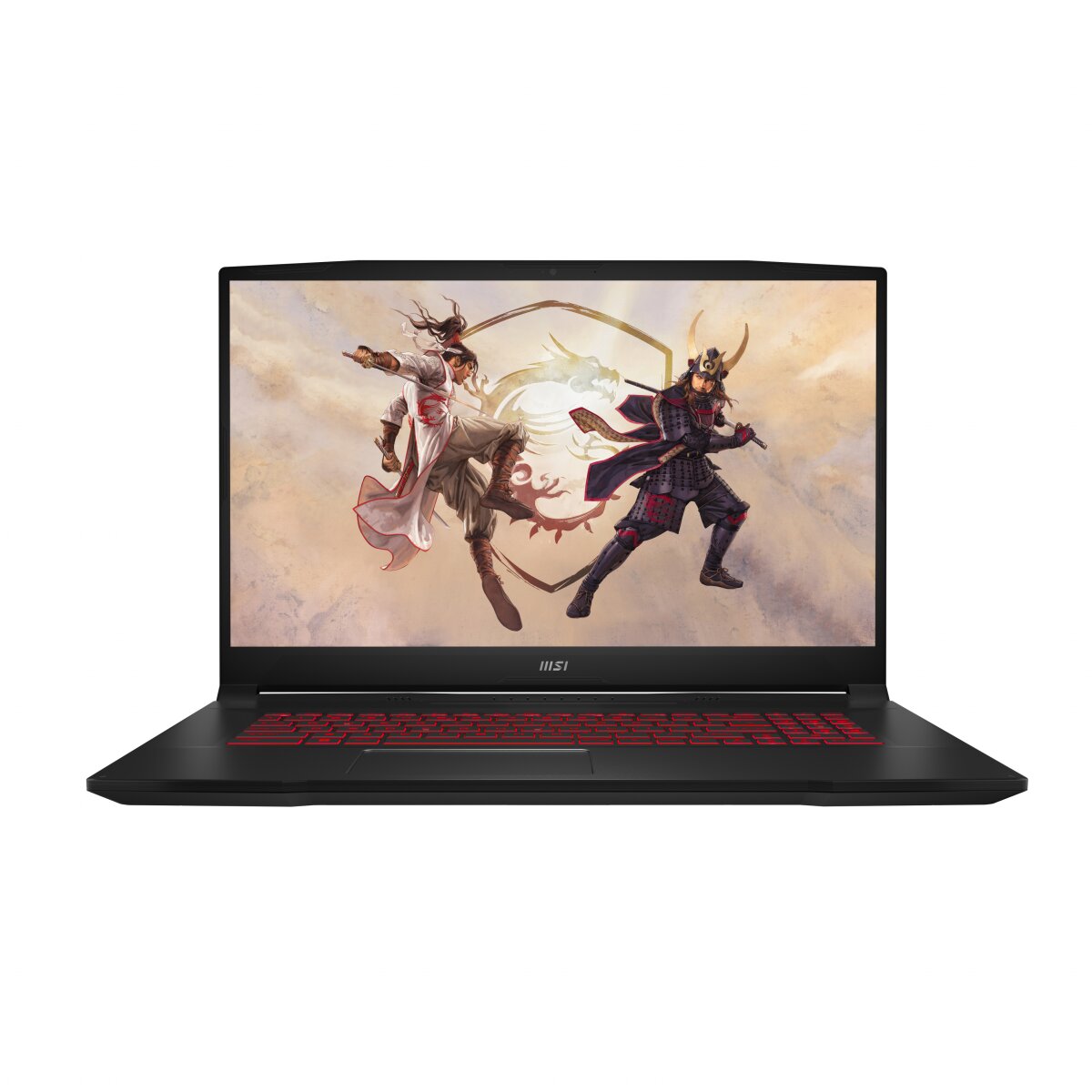
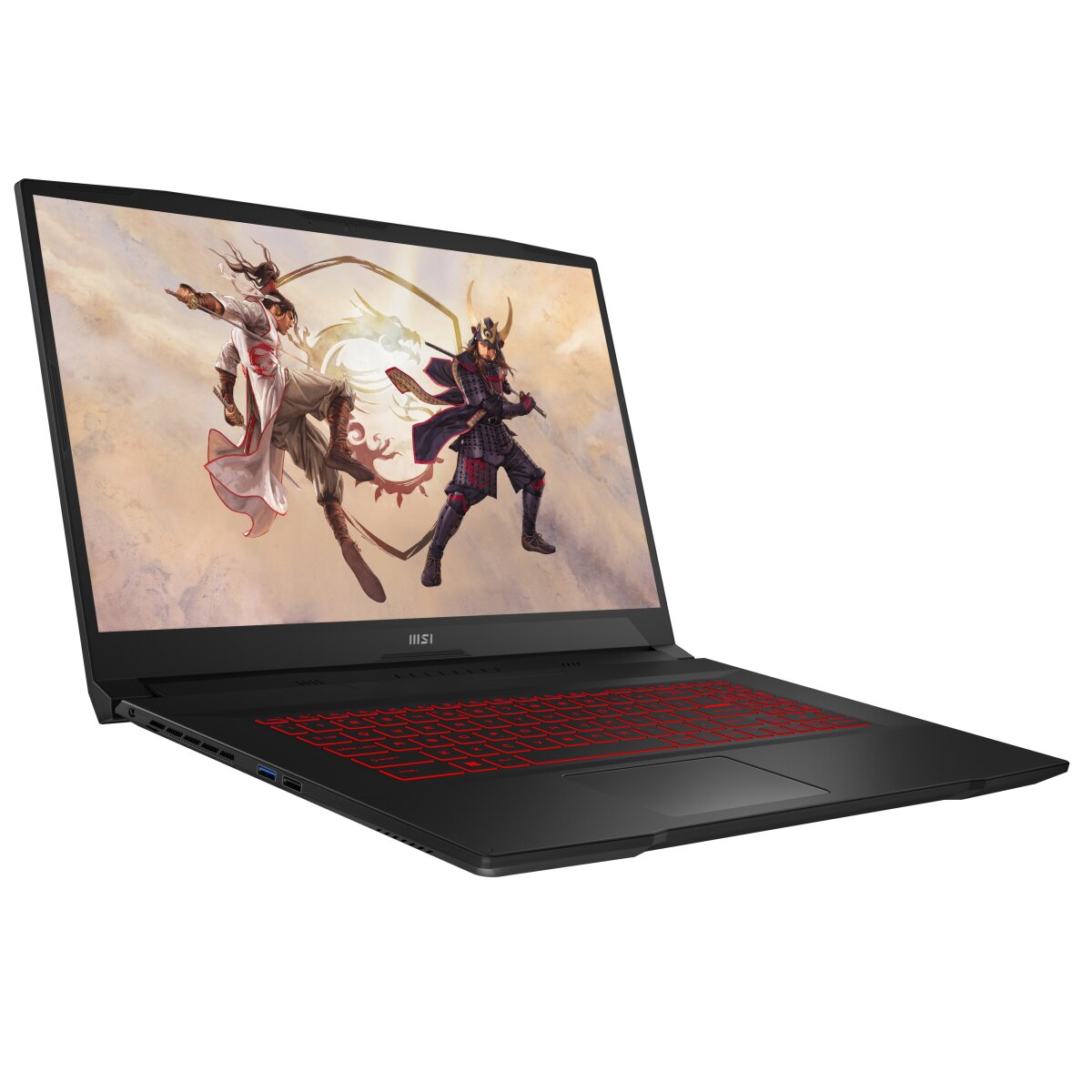
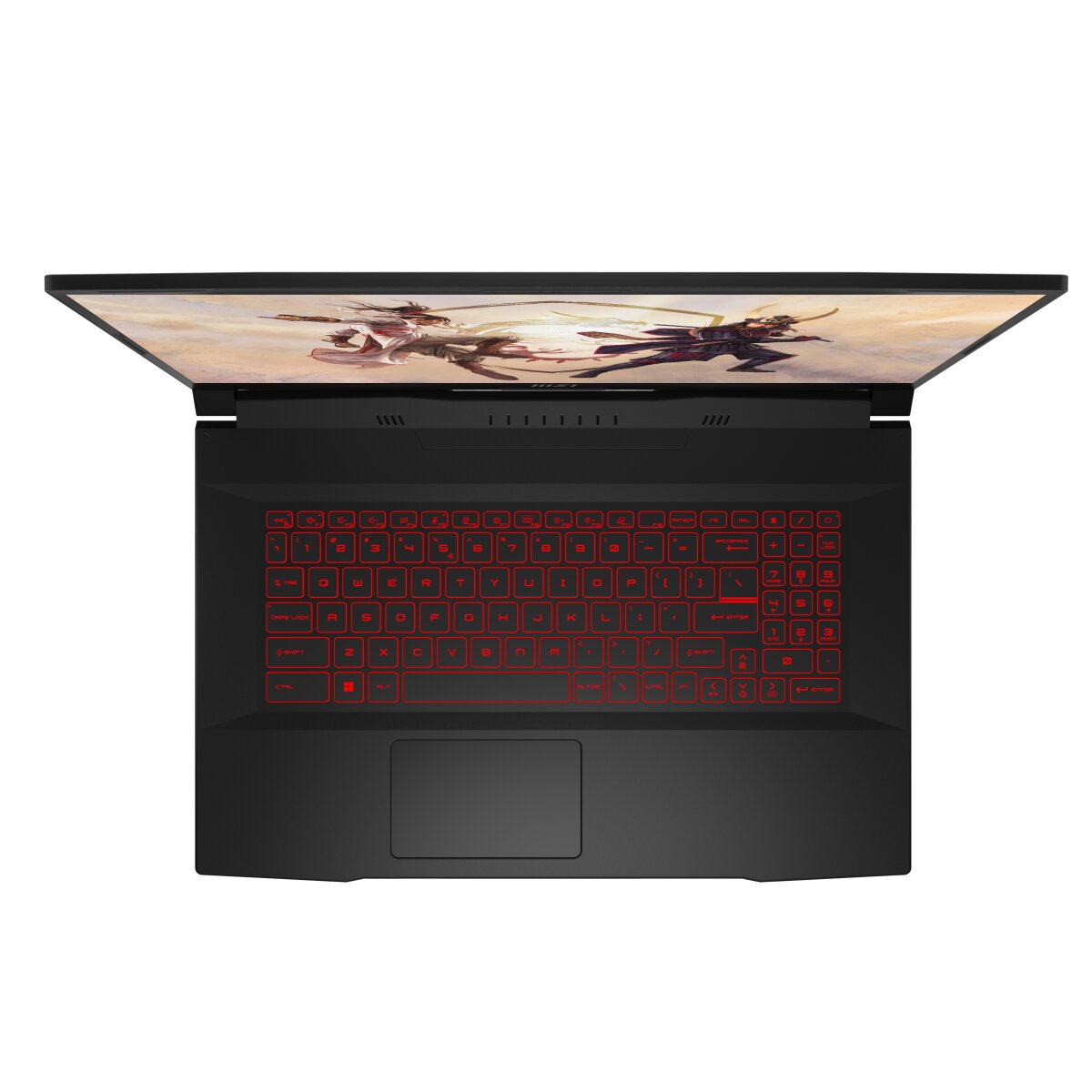
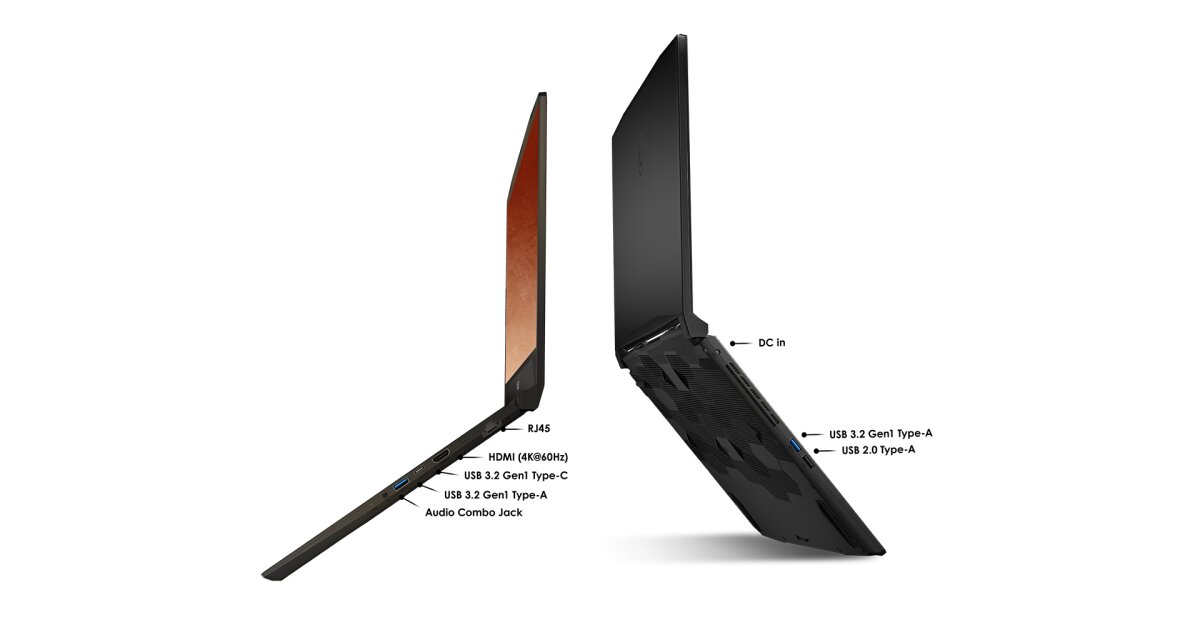
MSI GF76 12UE-629FR Katana gaming laptop memory upgrade specifications detail DDR4-SDRAM compatibility with dual SO-DIMM slots supporting maximum RAM capacity of 64 GB. The laptop accepts SO-DIMM memory modules operating at 3200 MHz frequency. Compatible memory upgrade options enable expansion from factory-installed configuration to specified maximum capacity. Memory specifications align with DDR4-SDRAM standard specifications for SO-DIMM form factor modules. Upgrade slots accommodate paired memory modules for optimal dual-channel performance in gaming and productivity applications.
Memory Upgrade Specifications
| Specification | Value |
|---|---|
| Memory slots | 2x SO-DIMM |
| Form factor | SO-DIMM |
| Memory type | DDR4-SDRAM |
| Frequency | 3200 MHz |
| Maximum RAM | 64 GB |
| Voltage | 1.2V |
| Number of pins | 260-pin |
| Interface | PC4 |
| PC Speed Rating | PC4-3200 (PC4-25600) |
| Bandwidth | 25.6 GB/s |
| Laptop Release date | 02 November 2022 |
Additional Notes
- The MSI GF76 12UE-629FR Katana supports DDR4 SO-DIMM modules, which means standard desktop DDR4 DIMMs are physically incompatible due to the smaller 260-pin laptop form factor versus 288-pin desktop modules.
- With 2 available SO-DIMM slots and a 64 GB maximum capacity, the system supports 32 GB modules per slot, requiring memory modules that use dual-rank or higher density chip configurations.
- The 3200 MHz specification indicates JEDEC DDR4-3200 support, meaning modules rated at higher speeds like 3600 MHz or 4000 MHz will downclock to 3200 MHz without performance benefit.
- DDR4-3200 operates at a true clock speed of 1600 MHz with a theoretical bandwidth of 25.6 GB/s per channel, which dual-channel configuration doubles to 51.2 GB/s total system bandwidth.
- Installing a single module instead of matched pairs will force the system into single-channel mode, halving memory bandwidth and potentially reducing integrated graphics performance by 20-40 percent in GPU-dependent tasks.
- Mixed module capacities (such as 8 GB plus 16 GB) will function but may disable dual-channel mode on the portion exceeding the smaller module's capacity, creating asymmetric memory architecture.
- SO-DIMM modules with heat spreaders exceeding standard JEDEC height specifications may cause clearance issues with the bottom panel or internal components in thin gaming laptop chassis designs.
- Non-standard voltage modules requiring 1.35V or higher (such as some overclocking-oriented DDR4) may not initialize properly, as laptop BIOS typically locks voltage at JEDEC standard 1.2V for DDR4-3200.
- Warranty preservation typically requires avoiding BIOS modifications or voltage adjustments, limiting upgrade paths to JEDEC-compliant modules with XMP profiles that remain dormant unless manually enabled.
- The 12th generation Intel platform in this system includes support for DDR4-3200 as the native speed, meaning this frequency operates at the memory controller's native ratio without requiring divider adjustments.