MSI Gaming GL62M 7RDX-1655XES RAM upgrade specifications



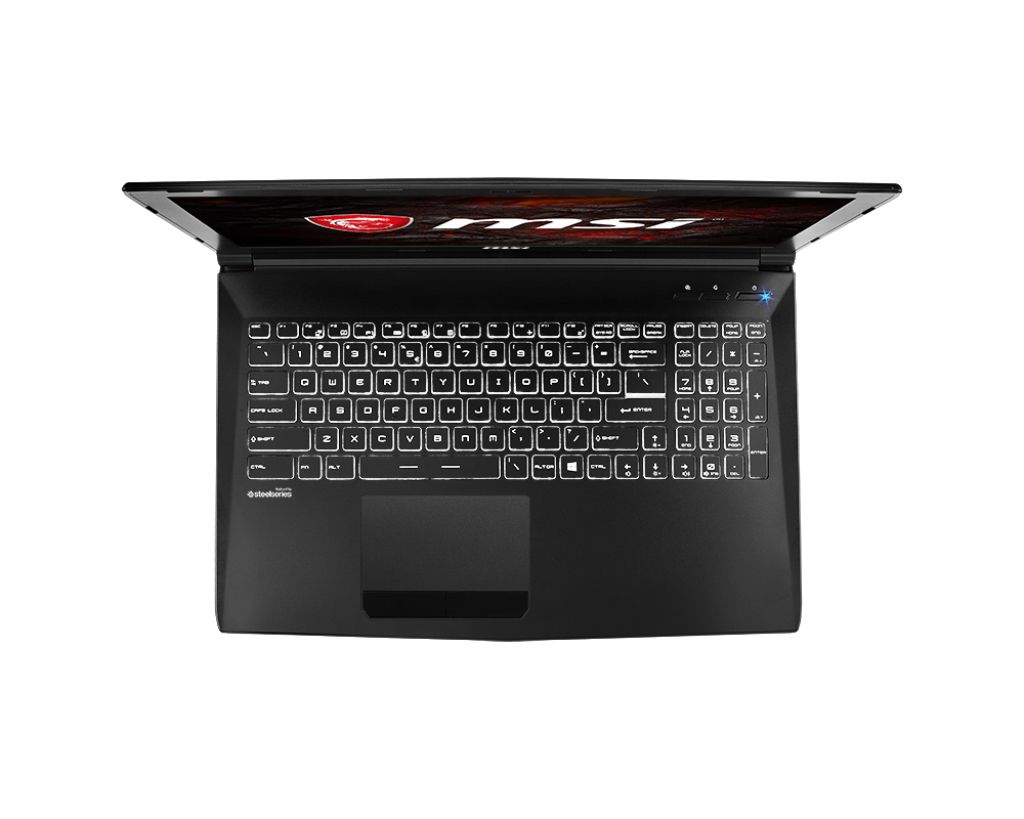
The MSI GL62M 7RDX-1655XES Gaming series laptop supports DDR4-SDRAM memory upgrades. The system features 2x SO-DIMM memory slots with a maximum RAM capacity of 32 GB. Compatible memory modules operate at 2400 MHz frequency and utilize the SO-DIMM form factor. These specifications define the upgrade parameters and memory compatibility requirements for this particular MSI GL62M model.
Memory Upgrade Specifications
| Specification | Value |
|---|---|
| Memory slots | 2x SO-DIMM |
| Form factor | SO-DIMM |
| Memory type | DDR4-SDRAM |
| Frequency | 2400 MHz |
| Maximum RAM | 32 GB |
| Voltage | 1.2V |
| Number of pins | 260-pin |
| Interface | PC4 |
| PC Speed Rating | PC4-2400 (PC4-19200) |
| Bandwidth | 19.2 GB/s |
| Laptop Release date | 02 January 2018 |
Additional Notes
- The MSI GL62M 7RDX-1655XES chipset architecture limits total system memory to 32 GB across both SO-DIMM slots, requiring a 16 GB module in each slot to reach maximum capacity.
- DDR4-2400 represents the officially supported frequency specification, though modules rated at higher speeds will typically downclock to this baseline when installed.
- SO-DIMM form factor modules measure 67.6 mm in length compared to standard desktop DIMM modules at 133.35 mm, making desktop memory physically incompatible with this notebook platform.
- Dual-channel memory architecture requires matched modules in both slots to achieve full bandwidth potential of 38.4 GB/s theoretical maximum throughput.
- Single-channel operation with one populated slot reduces memory bandwidth by approximately 50 percent, creating potential performance bottlenecks in graphics-intensive applications that share system memory.
- The 7th generation Intel Core processor in this system supports DDR4 speeds up to 2400 MHz natively, meaning faster modules provide no performance benefit unless chipset allows overclocking beyond JEDEC specifications.
- Installation typically requires bottom panel removal and void of warranty seals may occur depending on regional warranty policies, though most jurisdictions protect user-serviceable upgrade rights.
- Mixing module capacities between slots remains functional but forces the system to operate in flex mode rather than optimal dual-channel symmetric configuration.
- Non-ECC unbuffered modules are required for consumer notebook platforms, as registered or ECC memory types will either fail POST or remain unrecognized.
- Voltage specification must match DDR4 standard of 1.2V, as older DDR3L modules at 1.35V or DDR3 modules at 1.5V are electrically and physically incompatible despite similar slot appearance.
- Module height clearance beneath the keyboard assembly typically accommodates standard profile chips, but low-profile variants eliminate any risk of physical interference during installation.
- CAS latency variations within DDR4-2400 specification (CL15, CL16, CL17) produce minimal real-world performance differences in gaming workloads compared to capacity and channel configuration.