MSI Gaming GL62M 7REX-1824CZ RAM upgrade specifications



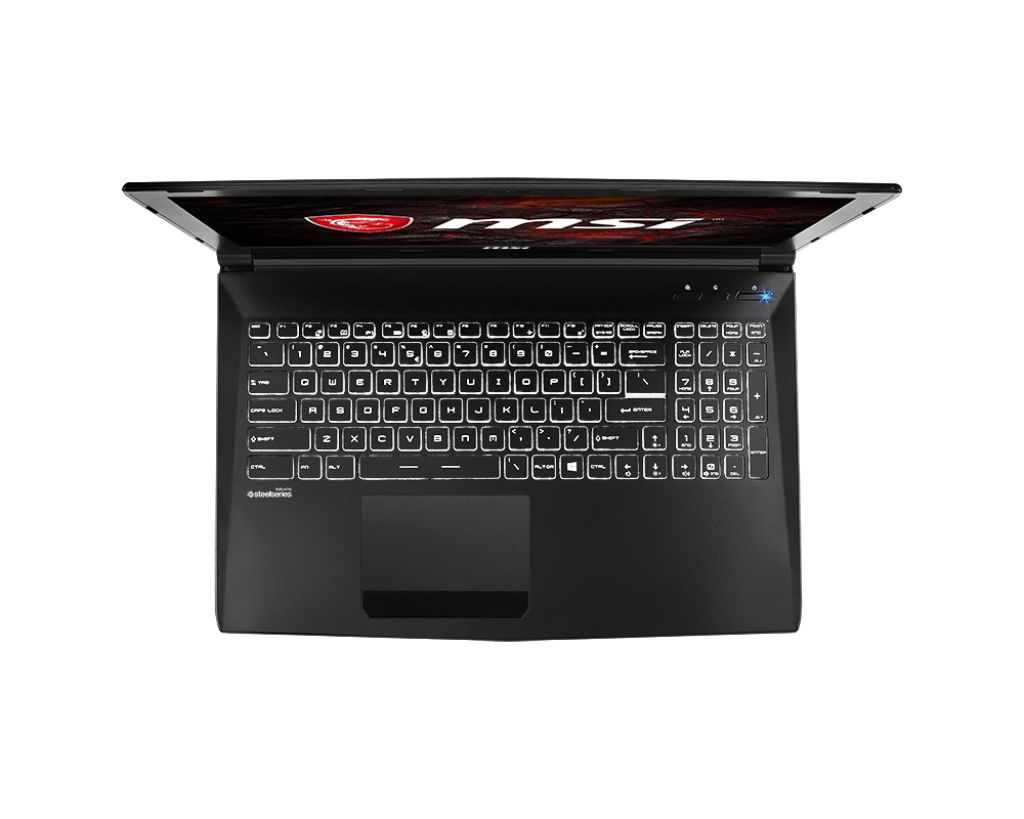
The MSI GL62M 7REX-1824CZ Gaming series laptop features DDR4-SDRAM memory upgrade specifications. The device contains 2x SO-DIMM slots compatible with DDR4 modules operating at 2400 MHz frequency. Maximum RAM capacity reaches 32 GB total. The SO-DIMM form factor allows for memory module replacement and expansion. Specifications indicate compatibility with standard DDR4-SDRAM upgrades within the stated capacity and frequency parameters for enhanced performance.
Memory Upgrade Specifications
| Specification | Value |
|---|---|
| Memory slots | 2x SO-DIMM |
| Form factor | SO-DIMM |
| Memory type | DDR4-SDRAM |
| Frequency | 2400 MHz |
| Maximum RAM | 32 GB |
| Voltage | 1.2V |
| Number of pins | 260-pin |
| Interface | PC4 |
| PC Speed Rating | PC4-2400 (PC4-19200) |
| Bandwidth | 19.2 GB/s |
| Laptop Release date | 11 April 2018 |
Additional Notes
- The MSI GL62M 7REX-1824CZ employs standard 260-pin SO-DIMM modules, requiring purchasers to verify the pin count before acquisition to avoid incompatibility with desktop DIMMs.
- Dual-channel architecture necessitates matched module pairs for optimal bandwidth utilization, as mismatched capacities or timings may force single-channel operation or clock down to the slower module's specifications.
- The 2400 MHz specification represents JEDEC's DDR4-2400 standard, delivering theoretical peak bandwidth of 19.2 GB/s per channel when both slots operate in dual-channel mode.
- Installation of modules exceeding 2400 MHz will result in automatic downclocking to the maximum supported frequency, rendering premium-tier memory kits functionally identical to standard-speed variants.
- The 32 GB ceiling accommodates 2x16 GB configuration only, as single 32 GB SO-DIMM modules exceed the platform's addressing capabilities.
- Seventh-generation Intel Core mobile processors impose the 2400 MHz limitation through integrated memory controller specifications, preventing higher frequency operation without CPU replacement.
- Non-ECC unbuffered modules remain the exclusive compatible variant, as server-grade ECC or registered memory types will trigger POST failures.
- Memory voltage must conform to DDR4's 1.2V standard, as modules rated for 1.35V or higher may experience stability issues or rejection during initialization sequences.
- Access to memory slots typically requires complete bottom panel removal, potentially voiding manufacturer warranties if seal stickers are disturbed during installation procedures.
- Mixing module generations (single-rank with dual-rank) remains possible but may introduce latency penalties or prevent dual-channel synchronization depending on chipset arbitration logic.
- The platform's bandwidth allocation prioritizes GPU sharing through integrated graphics, reducing available memory bandwidth during simultaneous CPU and graphics workloads.