MSI Gaming GL65 10SFSK-450ES Leopard RAM upgrade specifications
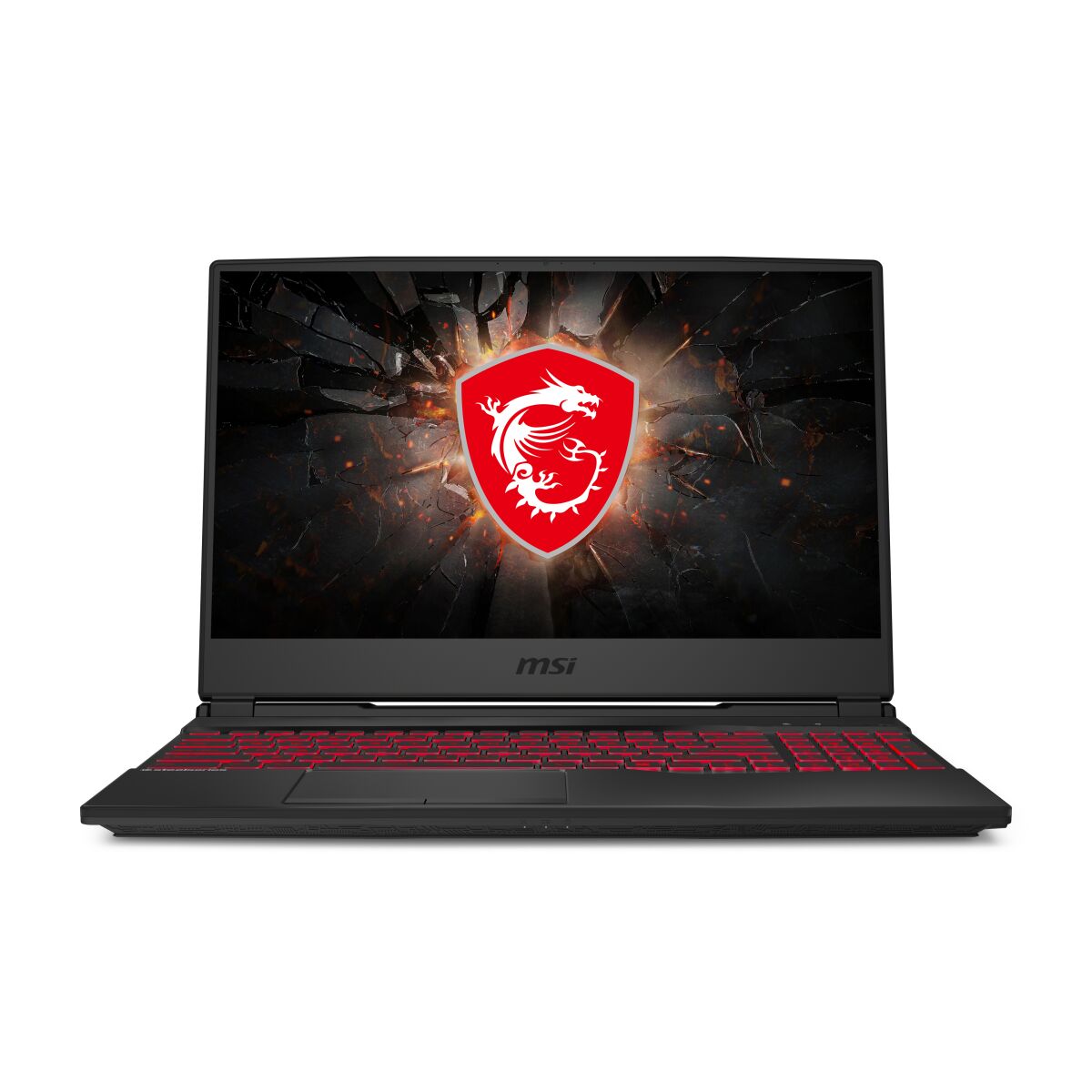
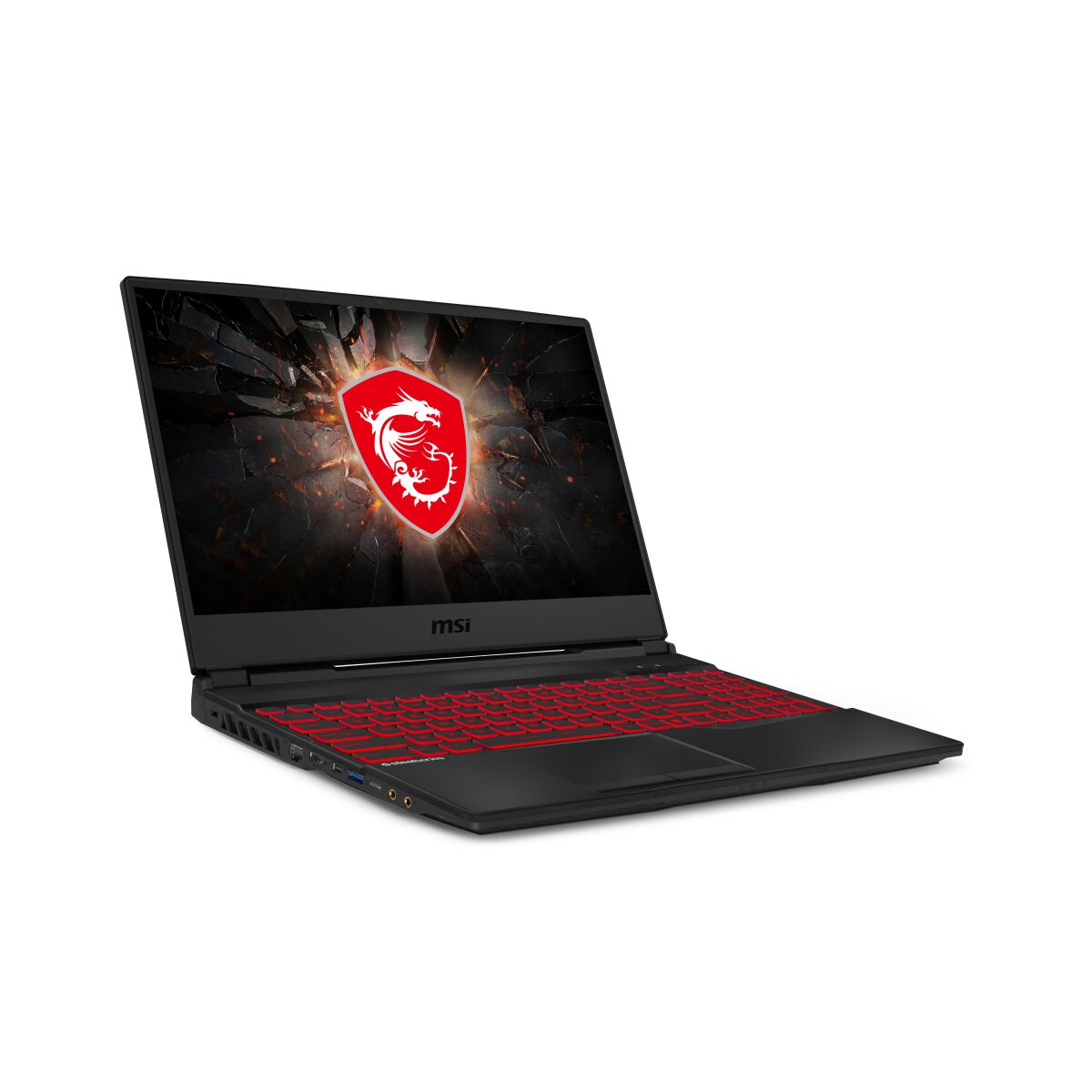
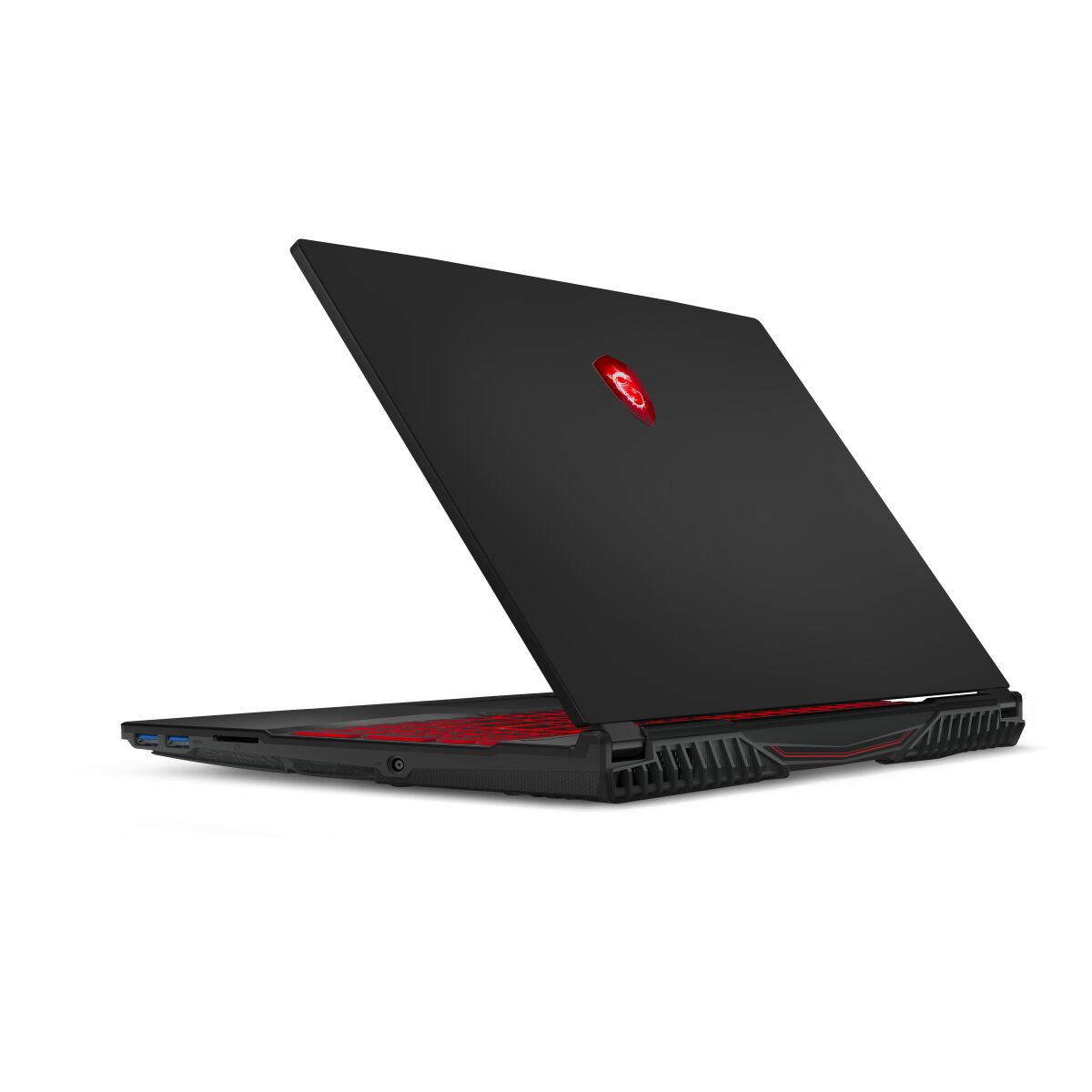
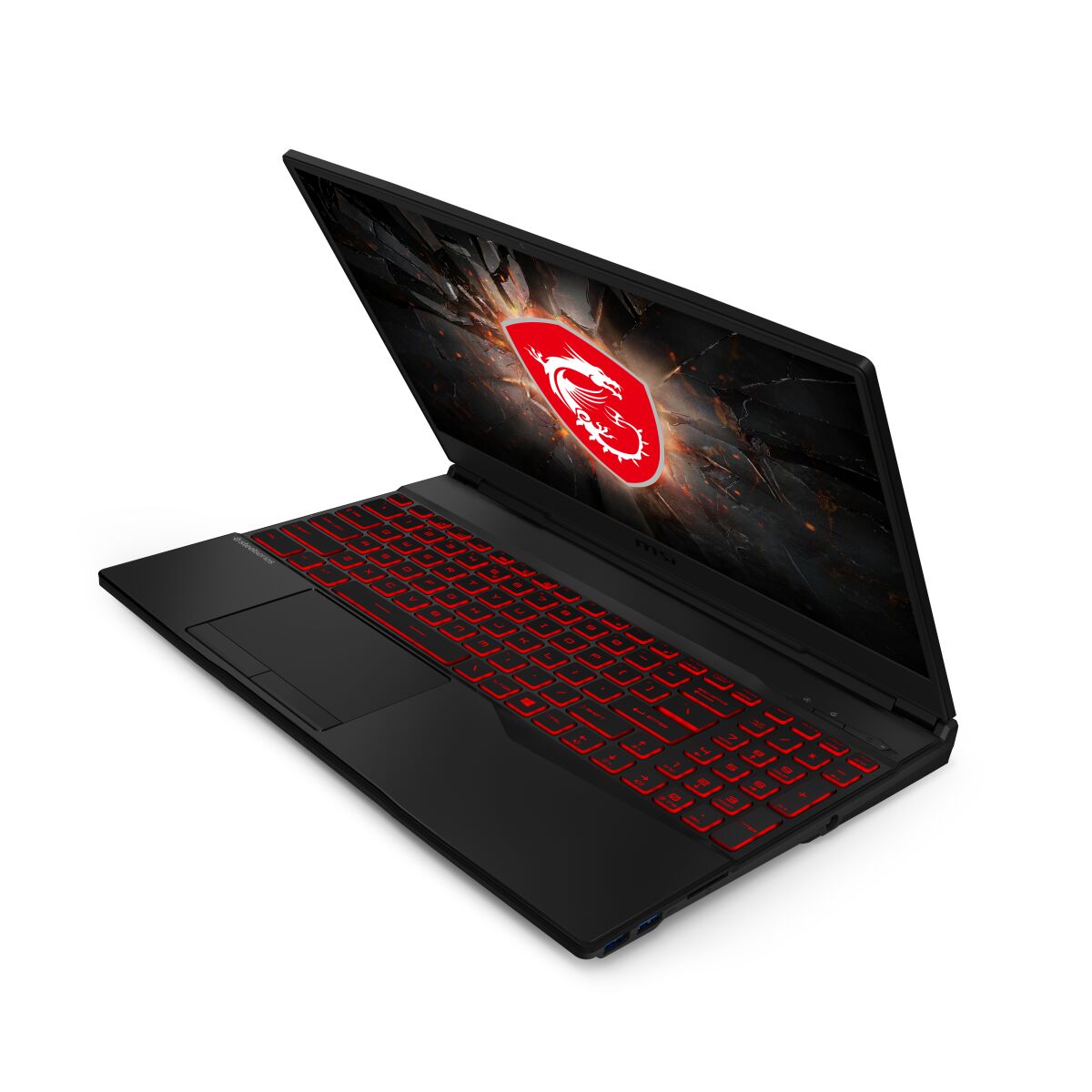
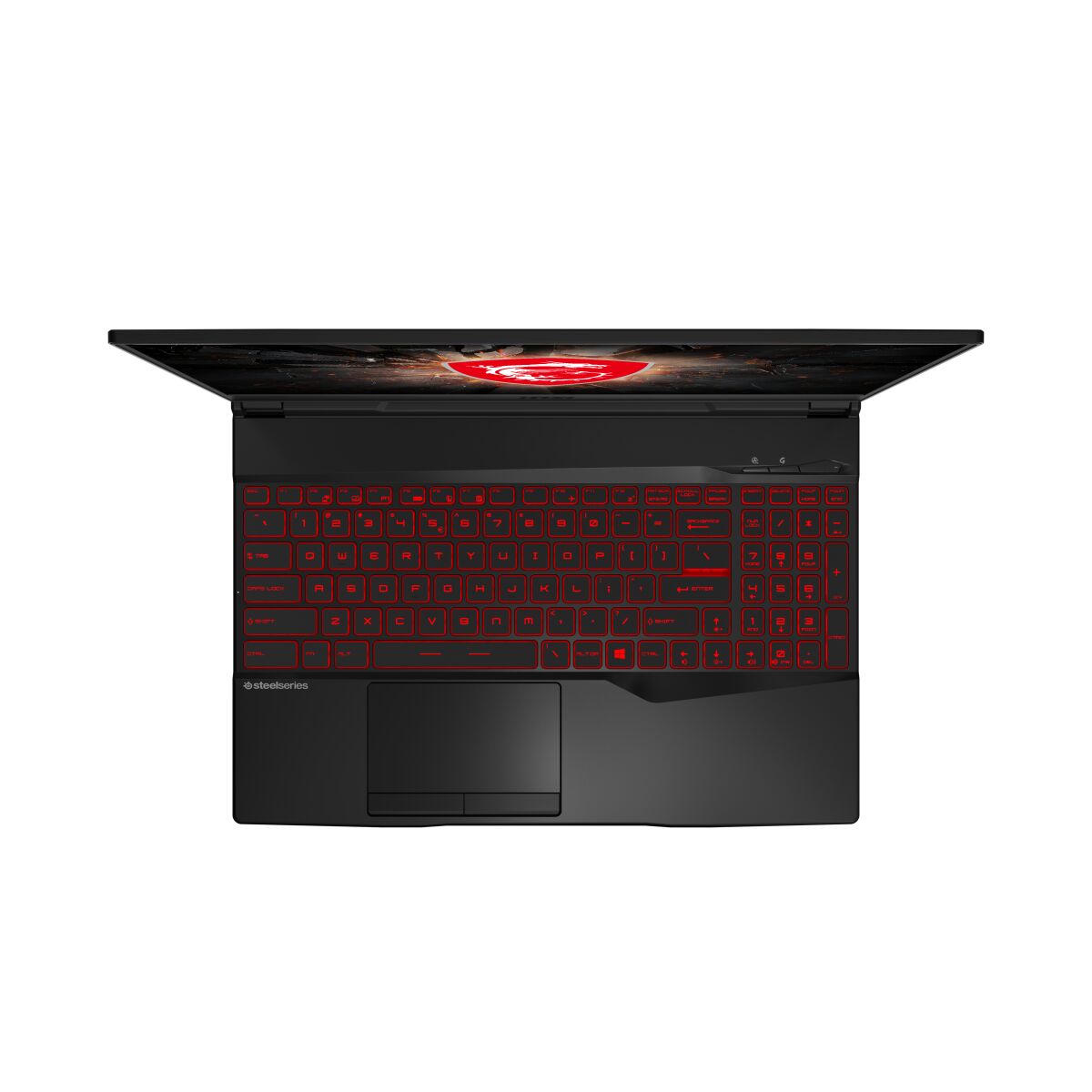
The MSI GL65 10SFSK-450ES Leopard gaming laptop supports DDR4-SDRAM memory upgrades through two SO-DIMM slots. Compatible RAM modules operate at 2666 MHz frequency, with maximum supported capacity reaching 64 GB. The GL series model features SO-DIMM form factor specifications for memory expansion, enabling users to upgrade from factory-installed configurations to enhanced memory capacity for improved performance in gaming and multitasking applications.
Memory Upgrade Specifications
| Specification | Value |
|---|---|
| Memory slots | 2x SO-DIMM |
| Form factor | SO-DIMM |
| Memory type | DDR4-SDRAM |
| Frequency | 2666 MHz |
| Maximum RAM | 64 GB |
| Voltage | 1.2V |
| Number of pins | 260-pin |
| Interface | PC4 |
| PC Speed Rating | PC4-2666 (PC4-21328) |
| Bandwidth | 21.3 GB/s |
| Laptop Release date | 21 January 2021 |
Additional Notes
- The MSI GL65 10SFSK-450ES Leopard accepts only DDR4 SO-DIMM modules, excluding desktop-sized DIMMs and older DDR3 variants regardless of physical adapters.
- The 2666 MHz frequency operates below DDR4's maximum potential of 3200 MHz, creating a performance ceiling where faster modules will downclock to match the supported speed.
- Installing RAM beyond 64 GB total capacity will trigger system instability or boot failure, as the memory controller lacks addressing capability for higher densities.
- The 2-slot configuration requires both sockets to be populated with identical capacity modules to enable dual-channel bandwidth, otherwise the system defaults to single-channel mode with halved throughput.
- Accessing the SO-DIMM slots typically requires bottom panel removal, which may void warranties if tamper-evident seals are broken without authorized service provider involvement.
- Mixing modules with different latencies (CAS timings) forces the system to adopt the slower timing across all installed RAM, reducing effective memory responsiveness.
- The 2666 MHz specification indicates 10th generation Intel platform integration, which caps JEDEC-standard speeds at this frequency without XMP profile support in most mobile chipsets.
- Single-module configurations leave half the memory bandwidth unused, directly impacting integrated graphics performance and memory-intensive applications requiring parallel data access.
- Upgrading to 64 GB necessitates 2x 32 GB modules, which maintain higher per-module power consumption compared to lower-capacity configurations, potentially affecting thermal management under sustained workloads.
- Non-matching voltage specifications between old and new modules can prevent POST completion, as SO-DIMM slots share voltage regulation without per-slot adjustment capability.