MSI Gaming GL65 9SE-052FR RAM upgrade specifications

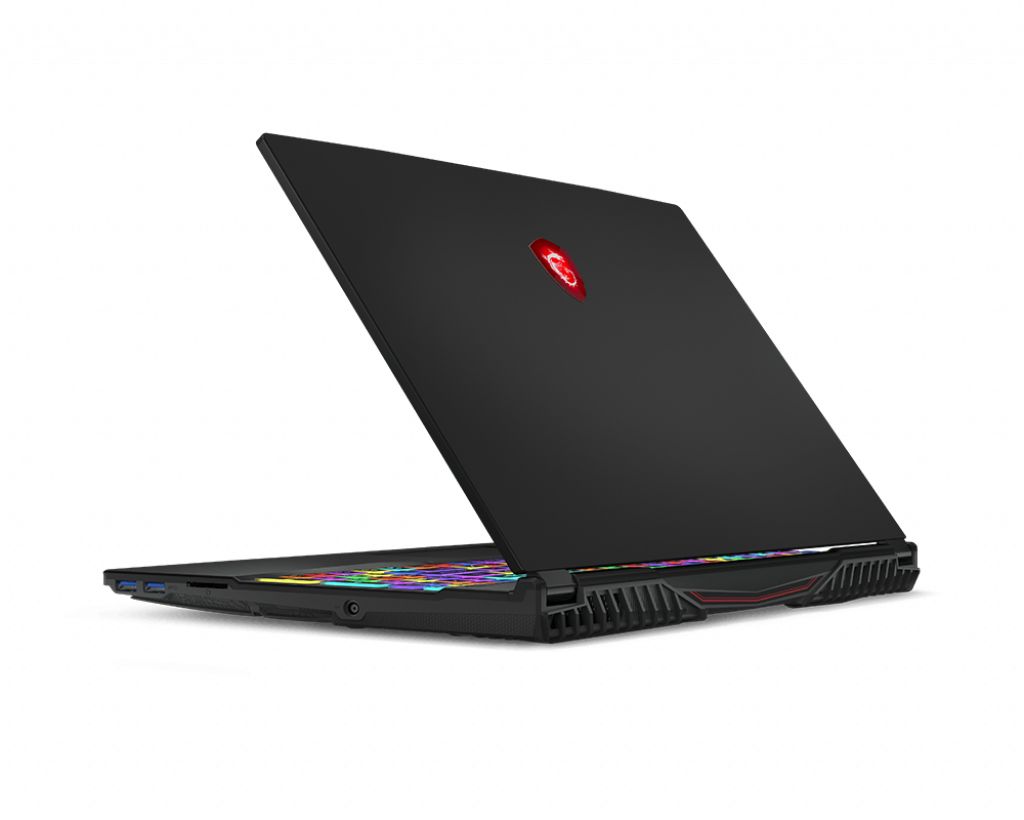
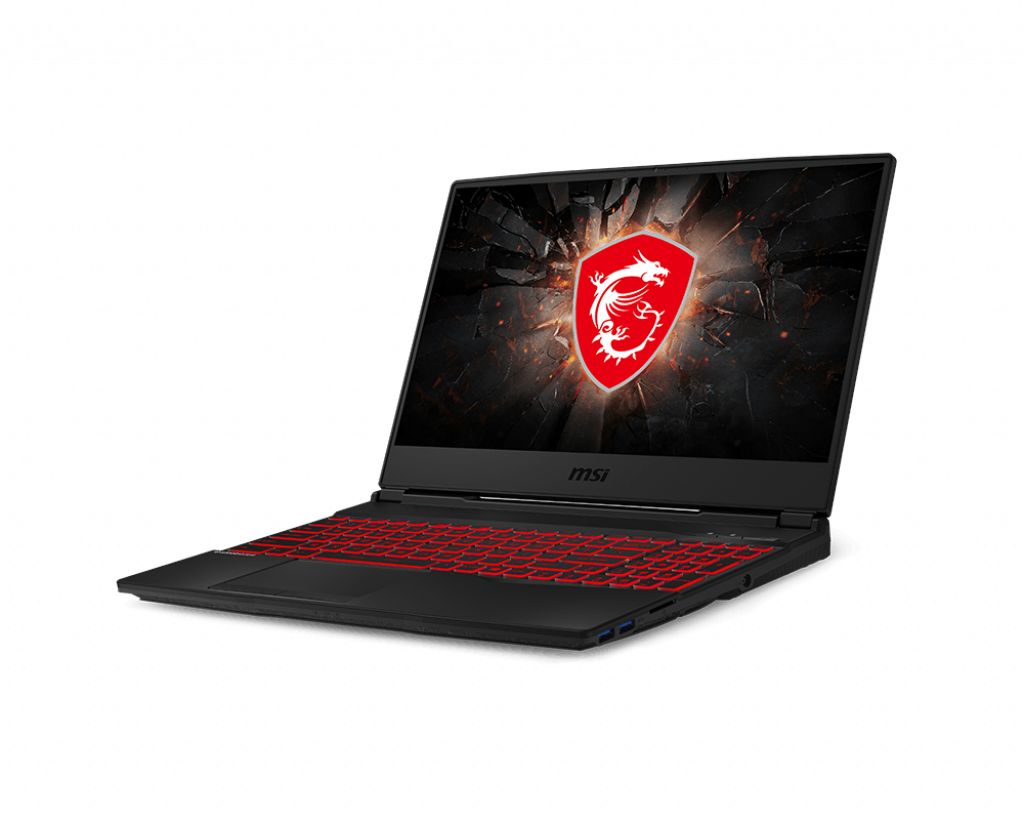

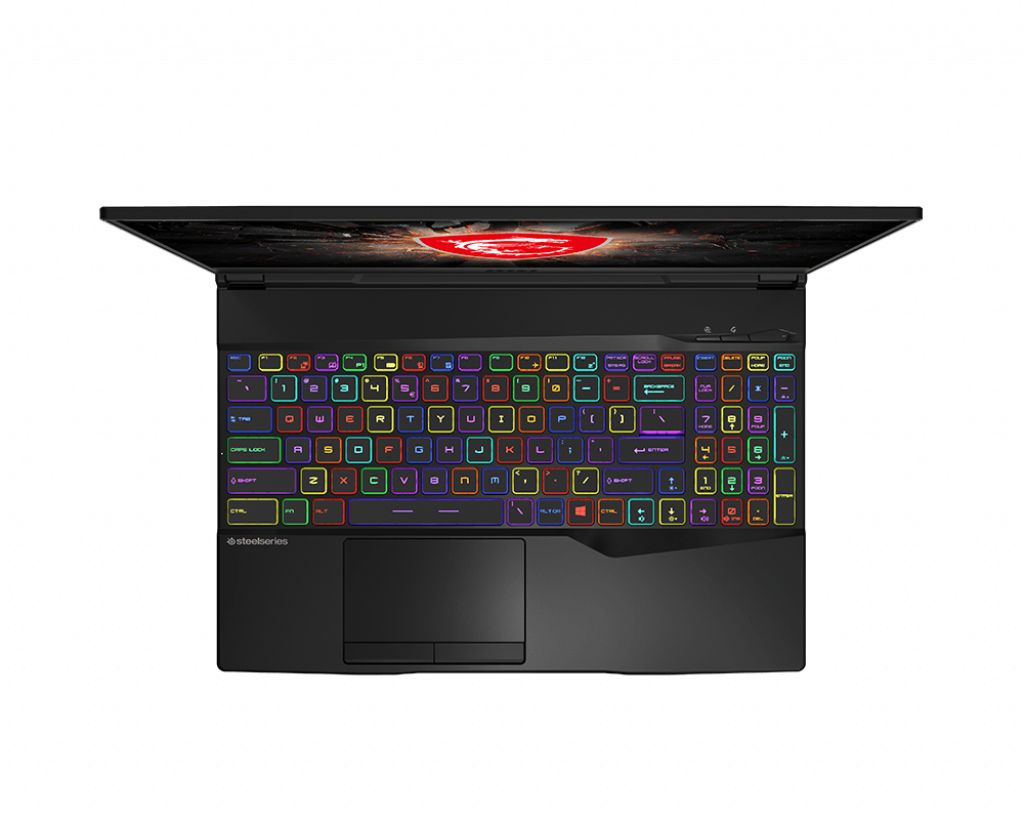
The MSI GL65 9SE-052FR Gaming Series laptop features DDR4-SDRAM memory configuration with two SO-DIMM slots supporting maximum capacity of 64 GB RAM. Memory upgrade specifications indicate compatibility with DDR4 modules operating at 2666 MHz frequency. The Gaming GL Series model supports SO-DIMM form factor memory upgrades, enabling users to expand system RAM up to the maximum 64 GB threshold. Compatible memory upgrades require DDR4-SDRAM specification adherence for proper functionality with the MSI GL65 9SE-052FR platform.
Memory Upgrade Specifications
| Specification | Value |
|---|---|
| Memory slots | 2x SO-DIMM |
| Form factor | SO-DIMM |
| Memory type | DDR4-SDRAM |
| Frequency | 2666 MHz |
| Maximum RAM | 64 GB |
| Voltage | 1.2V |
| Number of pins | 260-pin |
| Interface | PC4 |
| PC Speed Rating | PC4-2666 (PC4-21328) |
| Bandwidth | 21.3 GB/s |
| Laptop Release date | 24 September 2019 |
Additional Notes
- The MSI GL65 9SE-052FR contains 2 SO-DIMM slots operating at 2666 MHz, which establishes a bandwidth ceiling of approximately 42.6 GB/s. This frequency represents a generation-behind standard relative to contemporary DDR4 specifications, potentially creating a performance gap when paired with newer CPU architectures that support 3200 MHz or higher memory buses.
- SO-DIMM modules occupy a compact footprint suited to laptop form factors but impose strict physical height constraints. Replacement modules exceeding 32 mm in height risk interference with internal components such as the heatsink assembly or keyboard mechanism, requiring verification of low-profile variants during procurement.
- The 64 GB capacity ceiling indicates single-channel configurations are mathematically impossible; practical maximum configurations consist of 2x32 GB modules only. This eliminates flexibility for asymmetrical installations and requires simultaneous replacement of both slots to achieve the upper limit.
- DDR4-2666 modules are transitional products between mainstream and legacy specifications. Availability of matched 2-module kits rated specifically for 2666 MHz operation has declined in retail channels, increasing search complexity and potentially elevating per-unit costs compared to newer DDR4-3200 inventory.
- Warranty preservation typically requires components bearing the same rated frequency as factory specifications. Installation of higher-frequency modules (3200 MHz or above) may trigger automatic downclocking to 2666 MHz or void coverage if the BIOS implements strict SPD enforcement without override protocols.
- The dual-slot architecture creates a single point of failure risk; malfunction in either slot eliminates half of installed capacity. Diagnostic isolation of faulty modules becomes necessary before warranty claims, as some manufacturers require demonstration that the system does not recognize a specific DIMM.