MSI Gaming GL66 12UEK-003CA Pulse RAM upgrade specifications
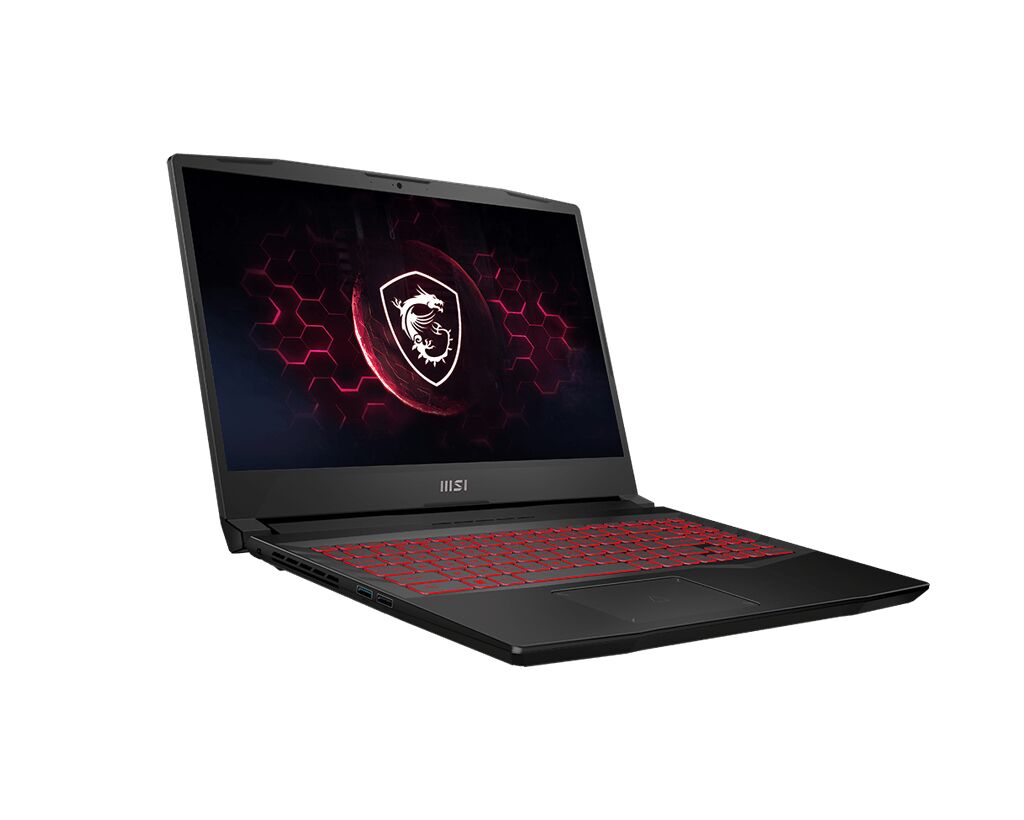
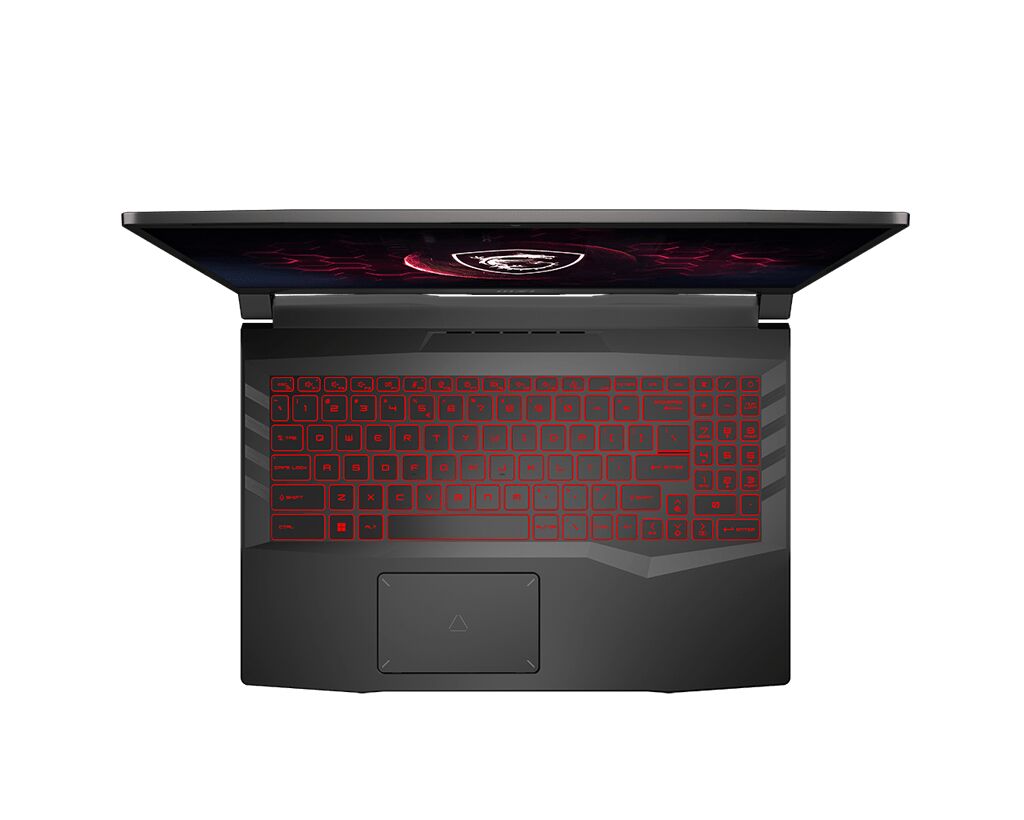
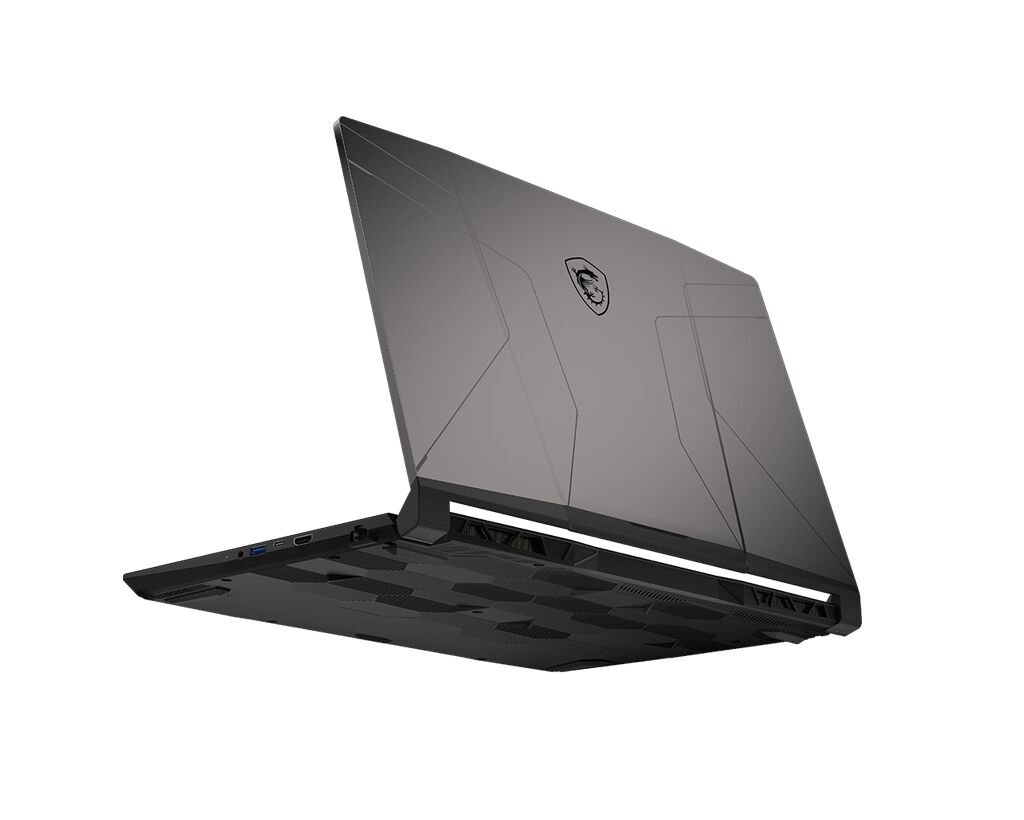
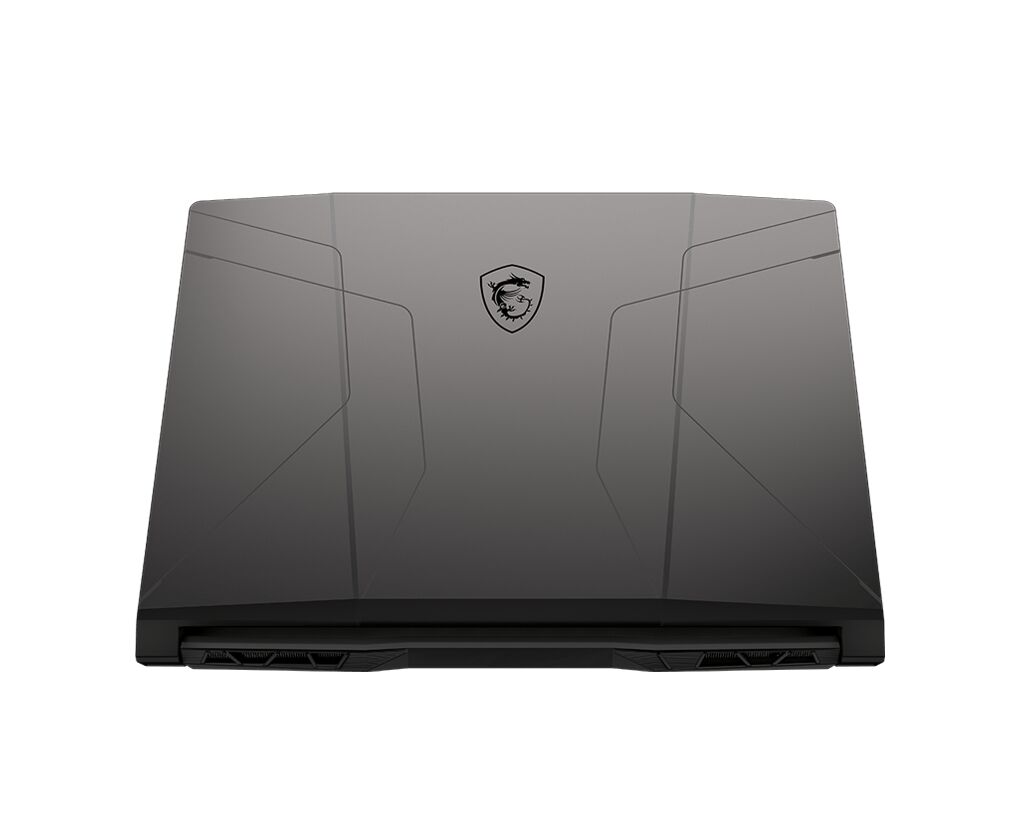
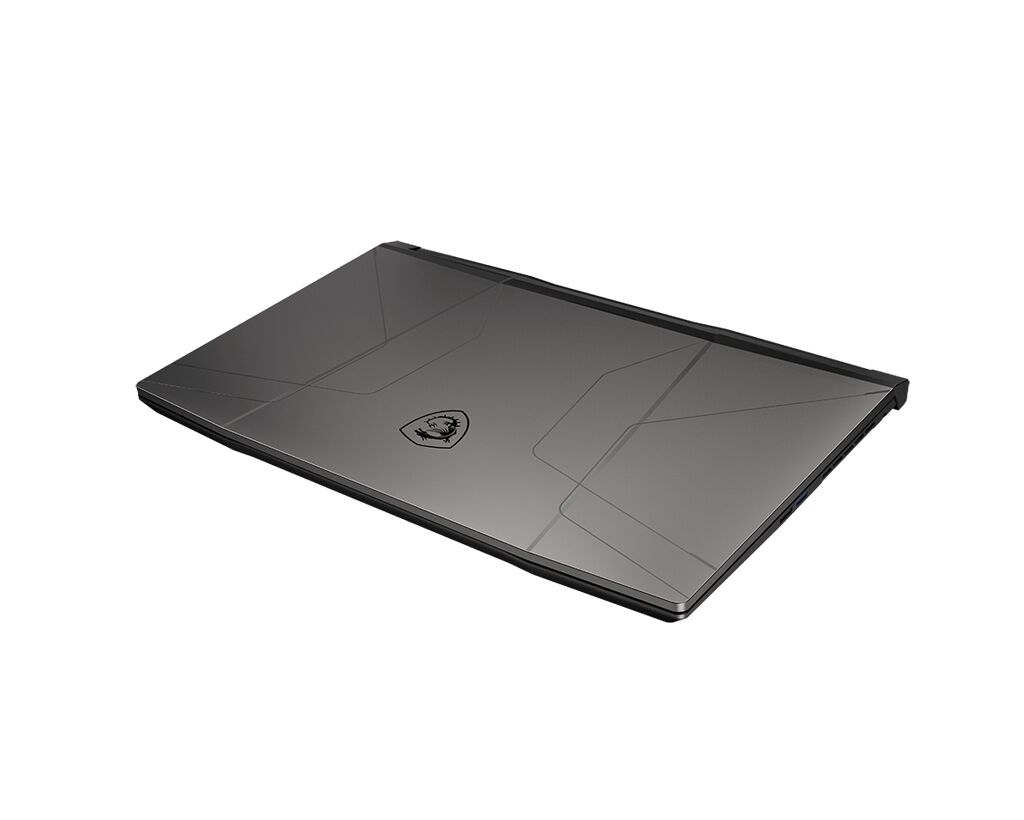
The MSI GL66 12UEK-003CA Pulse gaming laptop features DDR4-SDRAM memory specifications with two SO-DIMM slots for RAM upgrade capability. The maximum supported memory capacity reaches 64 GB total. Compatible DDR4 modules operate at 3200 MHz frequency. The GL series laptop supports memory upgrades through its dual SO-DIMM slot configuration, enabling users to expand RAM capacity from stock specifications up to the maximum 64 GB threshold. Specifications indicate SO-DIMM form factor compatibility for memory module installation.
Memory Upgrade Specifications
| Specification | Value |
|---|---|
| Memory slots | 2x SO-DIMM |
| Form factor | SO-DIMM |
| Memory type | DDR4-SDRAM |
| Frequency | 3200 MHz |
| Maximum RAM | 64 GB |
| Voltage | 1.2V |
| Number of pins | 260-pin |
| Interface | PC4 |
| PC Speed Rating | PC4-3200 (PC4-25600) |
| Bandwidth | 25.6 GB/s |
| Laptop Release date | 14 June 2022 |
Additional Notes
- The MSI GL66 12UEK-003CA Pulse architecture supports dual-channel memory operation through its 2 SO-DIMM configuration, enabling theoretical bandwidth of 51.2 GB/s when both slots operate synchronously at 3200 MHz.
- Populating only one slot reduces memory bandwidth by approximately 50 percent, creating potential performance bottlenecks in GPU-intensive applications that rely on rapid system memory access.
- The 64 GB maximum capacity constraint indicates chipset-level limitations in the memory controller, requiring 32 GB modules per slot to reach full expansion potential.
- DDR4-3200 represents JEDEC standard timing, typically operating at CL22 latency, though modules with XMP profiles offering CL16-CL18 may provide reduced latency if the BIOS supports SPD profile selection.
- SO-DIMM modules physically measure 67.6 mm in length, requiring verification of internal chassis clearance near the memory bay, particularly in densely packed gaming laptop designs with adjacent cooling assemblies.
- Upgrading beyond factory-installed capacity generally preserves warranty coverage, as memory modules constitute user-accessible components under most manufacturer service policies, unlike soldered components.
- Mixing memory modules with different densities or speeds forces the memory controller to operate all modules at the lowest common specifications, potentially downclocking faster modules to match slower ones.
- The 3200 MHz frequency represents the maximum supported speed, meaning higher-rated modules such as DDR4-3600 will downclock to 3200 MHz, offering no performance advantage over specification-matched modules.
- Gaming workloads combined with content creation tasks benefit measurably from 32 GB configurations when multiple applications compete for memory allocation, particularly with background processes and browser tabs consuming 8-12 GB baseline.
- Voltage specifications for DDR4-3200 SO-DIMM modules standardize at 1.2V, ensuring thermal compatibility with laptop cooling systems designed for lower TDP memory compared to 1.35V or 1.5V overclocked variants.