MSI Gaming GL72M 7REX-1423 RAM upgrade specifications

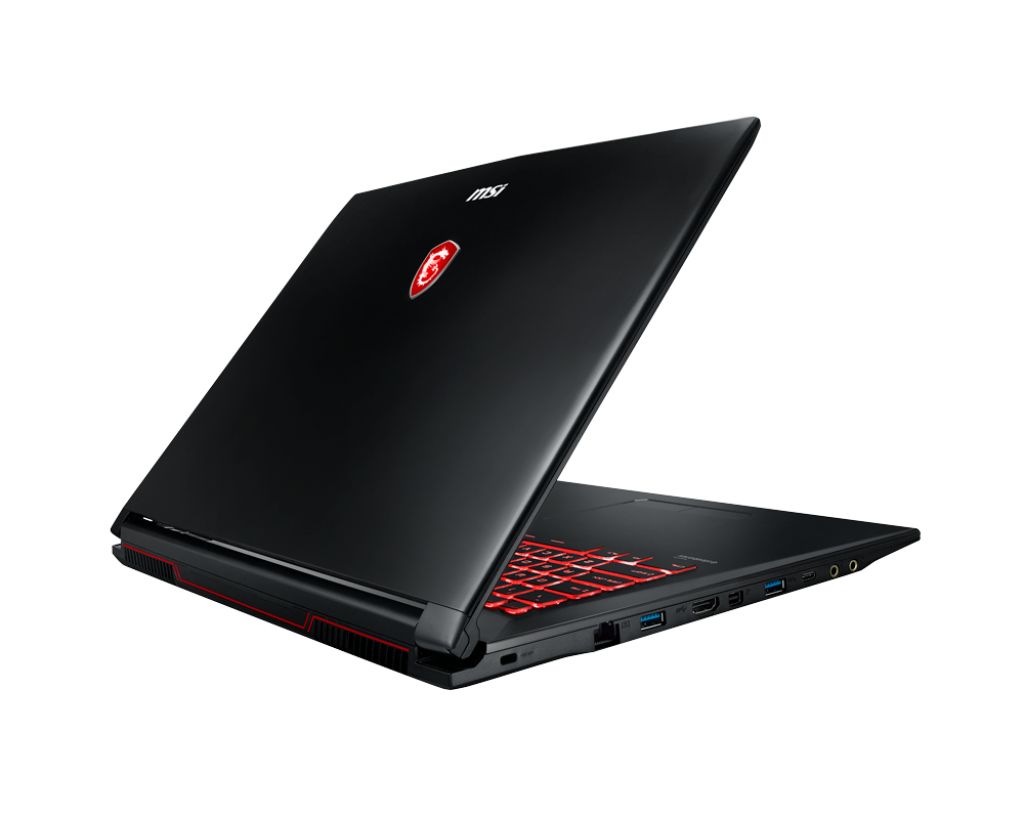


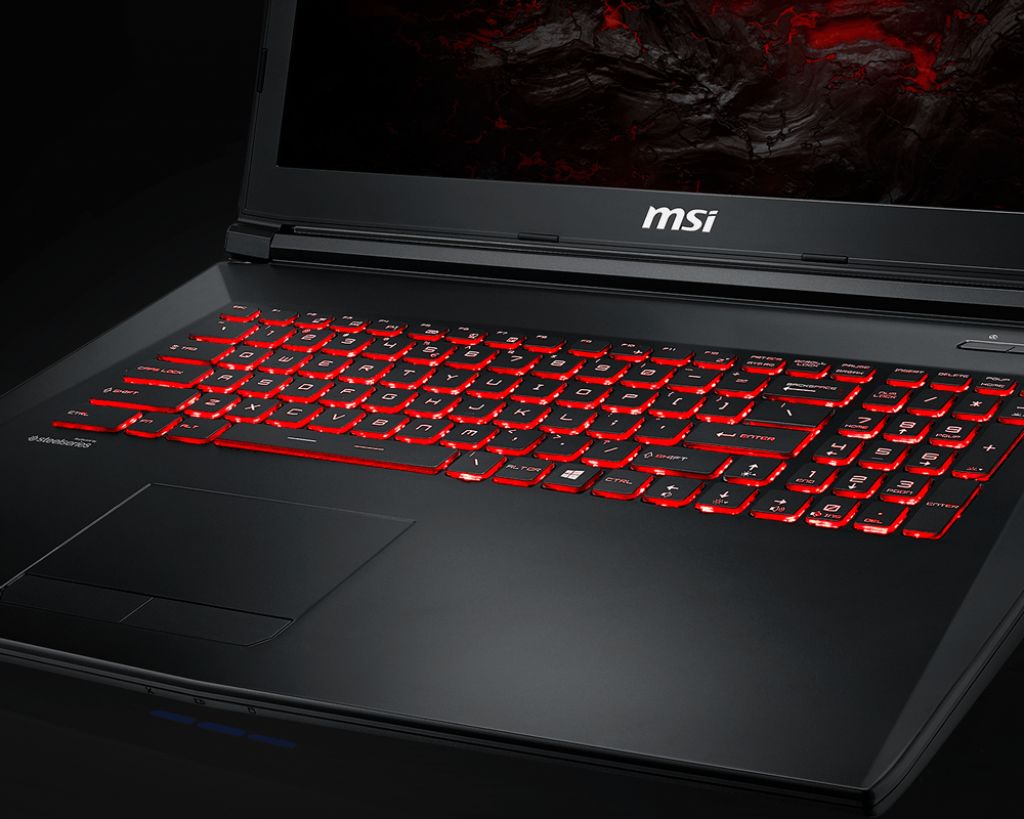
The MSI GL72M 7REX-1423 gaming laptop features DDR4-SDRAM memory with two SO-DIMM slots supporting maximum RAM capacity of 32 GB. Memory upgrade specifications include DDR4-SDRAM compatibility at 2400 MHz frequency. The GL72M 7REX-1423 model accommodates SO-DIMM form factor modules. Compatible memory upgrade options allow expansion from baseline configuration to full 32 GB capacity across the two available slots. Specifications indicate DDR4-SDRAM memory modules operating at 2400 MHz provide upgrade compatibility for the MSI Gaming GL series laptop.
Memory Upgrade Specifications
| Specification | Value |
|---|---|
| Memory slots | 2x SO-DIMM |
| Form factor | SO-DIMM |
| Memory type | DDR4-SDRAM |
| Frequency | 2400 MHz |
| Maximum RAM | 32 GB |
| Voltage | 1.2V |
| Number of pins | 260-pin |
| Interface | PC4 |
| PC Speed Rating | PC4-2400 (PC4-19200) |
| Bandwidth | 19.2 GB/s |
| Laptop Release date | 11 December 2017 |
Additional Notes
- The MSI GL72M 7REX-1423 accommodates only 2 memory slots, eliminating the possibility of expanding beyond 32 GB total capacity regardless of future module availability.
- DDR4-2400 MHz represents the baseline supported frequency for this generation, meaning higher-speed DDR4 modules (3000 MHz, 3200 MHz) will downclock to 2400 MHz, negating any performance advantage from premium-tier memory purchases.
- SO-DIMM form factor is incompatible with standard UDIMM desktop memory, restricting upgrade sources to laptop-specific vendors and potentially limiting pricing competition during purchasing decisions.
- Upgrading from a factory configuration requires manual extraction of existing modules, creating risk of static discharge damage to the motherboard if proper grounding procedures are not followed.
- The 32 GB ceiling constrains workloads involving memory-intensive applications such as video rendering, large dataset processing, or virtual machine hosting beyond what this platform can deliver.
- DDR4-2400 memory bandwidth (19.2 GB/s per channel) may create a latency bottleneck for GPU-accelerated tasks if the discrete graphics processor has higher memory throughput expectations than the system RAM can sustain.
- Mixing mismatched module capacities (e.g., 8 GB plus 16 GB) or differing manufacturers can result in reduced clock speeds or system instability, requiring identical paired modules for optimal stability.