MSI Gaming GL73 8SD-288FR RAM upgrade specifications
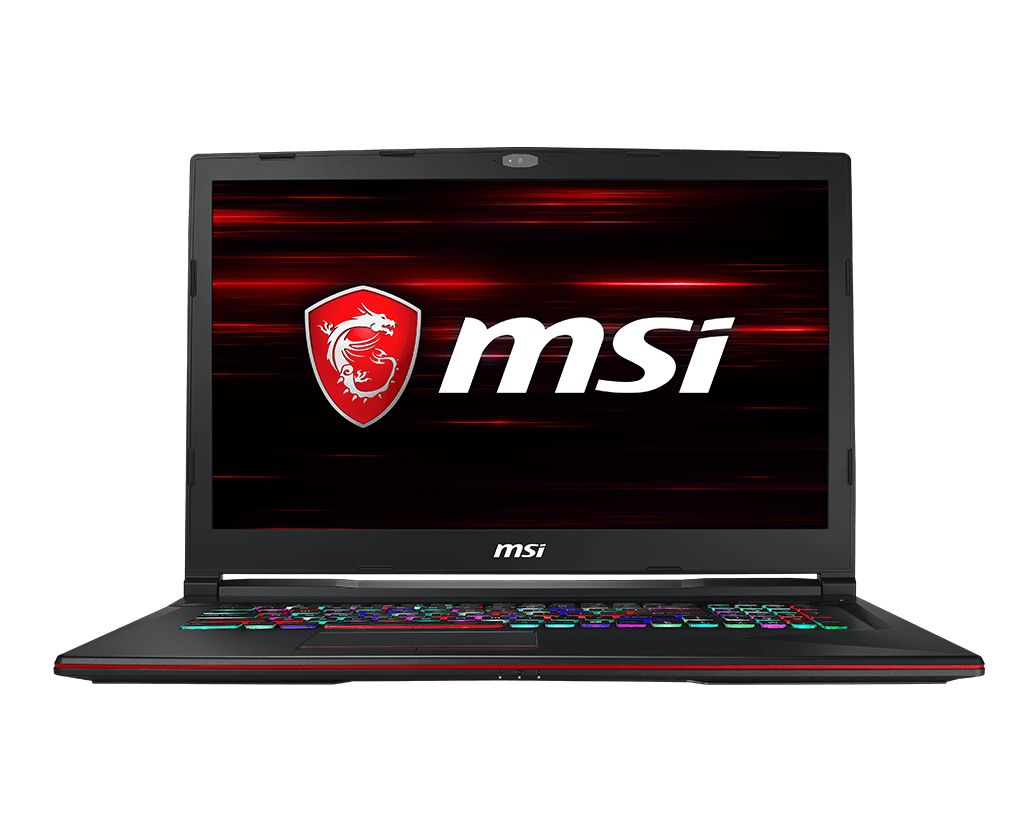
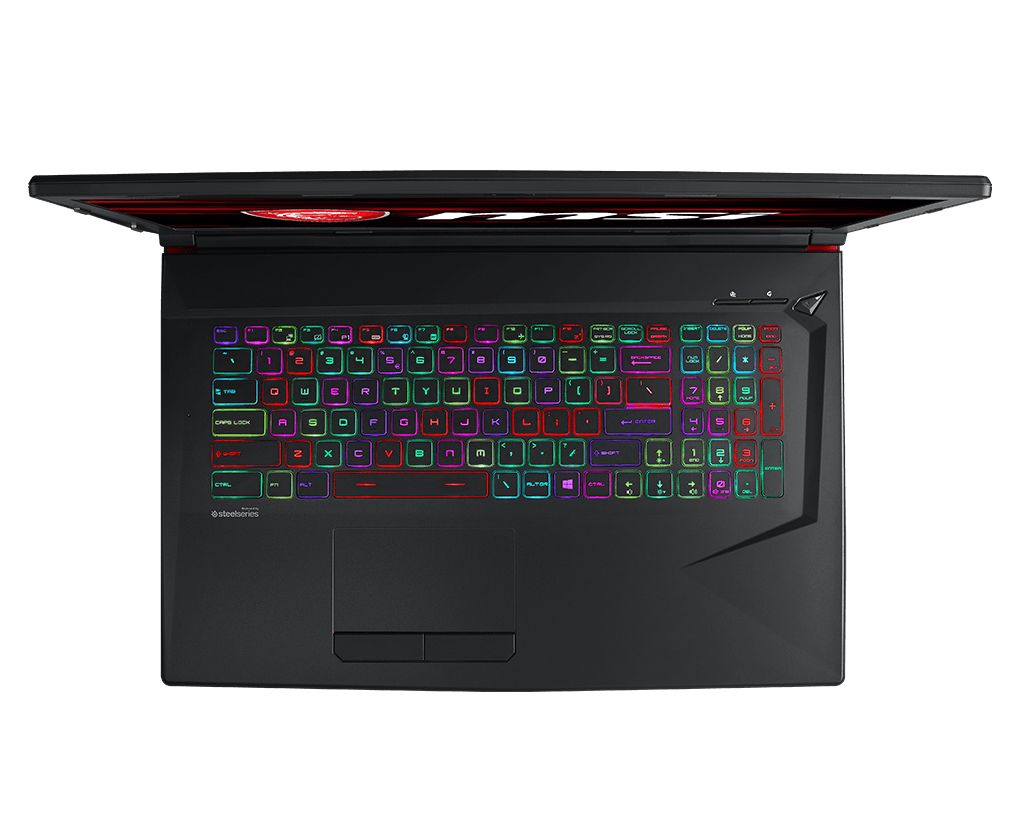
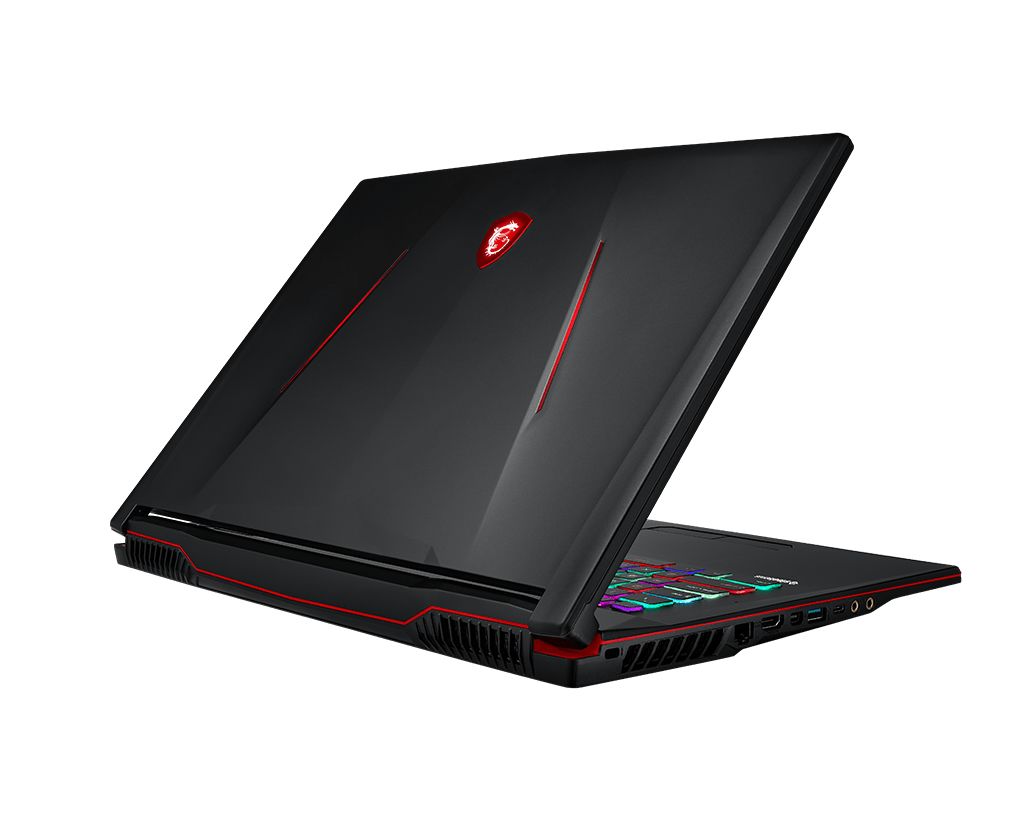
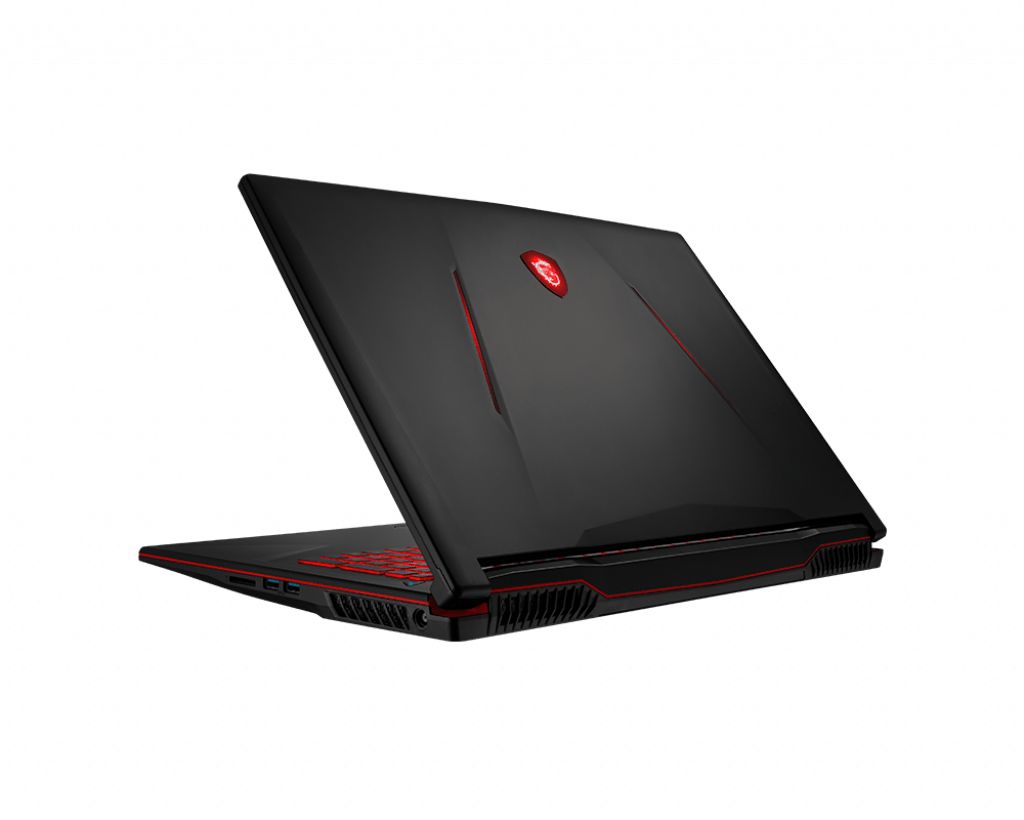
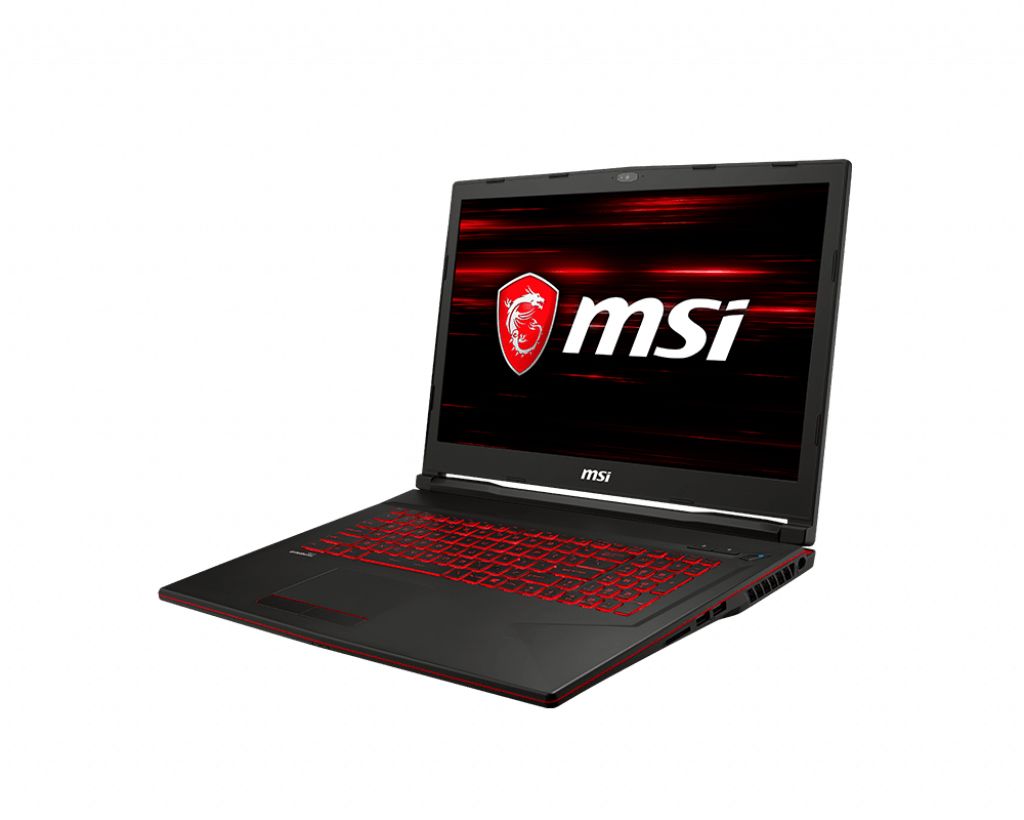
The MSI GL73 8SD-288FR gaming laptop accommodates DDR4-SDRAM memory upgrades across two SO-DIMM slots. Maximum RAM capacity reaches 32 GB, supporting memory modules operating at 2666 MHz frequency. Specifications indicate SO-DIMM form factor compatibility for upgrade configurations. The GL Series model supports memory expansion to enhance system performance for gaming and multitasking applications. Compatible RAM upgrades must conform to DDR4-SDRAM standards and SO-DIMM physical specifications for proper installation and operation within the MSI Gaming family platform.
Memory Upgrade Specifications
| Specification | Value |
|---|---|
| Memory slots | 2x SO-DIMM |
| Form factor | SO-DIMM |
| Memory type | DDR4-SDRAM |
| Frequency | 2666 MHz |
| Maximum RAM | 32 GB |
| Voltage | 1.2V |
| Number of pins | 260-pin |
| Interface | PC4 |
| PC Speed Rating | PC4-2666 (PC4-21328) |
| Bandwidth | 21.3 GB/s |
| Laptop Release date | 28 June 2019 |
Additional Notes
- The MSI GL73 8SD-288FR utilizes SO-DIMM modules instead of standard desktop DIMMs, requiring specific laptop-format memory that measures approximately 30mm shorter than conventional desktop RAM.
- The 2666 MHz frequency specification indicates compatibility with DDR4-2666 modules, though faster modules like DDR4-3200 will downclock to match the chipset's maximum supported speed.
- The 32 GB maximum capacity constraint splits into 2 modules of 16 GB each, as installing a single 32 GB module would leave no upgrade path and waste the second available slot.
- The dual-slot configuration enables dual-channel memory operation, which doubles theoretical bandwidth from approximately 21 GB/s in single-channel to 42 GB/s when both slots contain matched modules.
- Mixing different capacity modules between slots remains functional but may force the system into asymmetric or flex mode, potentially reducing performance compared to identical matched pairs.
- Non-ECC unbuffered modules are required, as laptop chipsets in gaming systems typically lack support for error-correcting code memory found in workstation platforms.
- Operating voltage must conform to DDR4 standard specifications at 1.2V, as higher-voltage modules designed for overclocking may cause thermal issues or stability problems in the confined laptop chassis.
- Installation requires bottom panel removal to access the memory compartment, which typically does not void manufacturer warranty when performed without damage to seals or components.
- The 8th generation Intel processor architecture in this model supports only DDR4 technology, eliminating backward compatibility with DDR3 or DDR3L modules regardless of physical form factor.
- CAS latency timings affect real-world performance, with tighter timings like CL15 or CL16 providing marginally better responsiveness than looser CL19 modules at identical frequencies.