MSI Gaming GL73 9SC-031RU RAM upgrade specifications
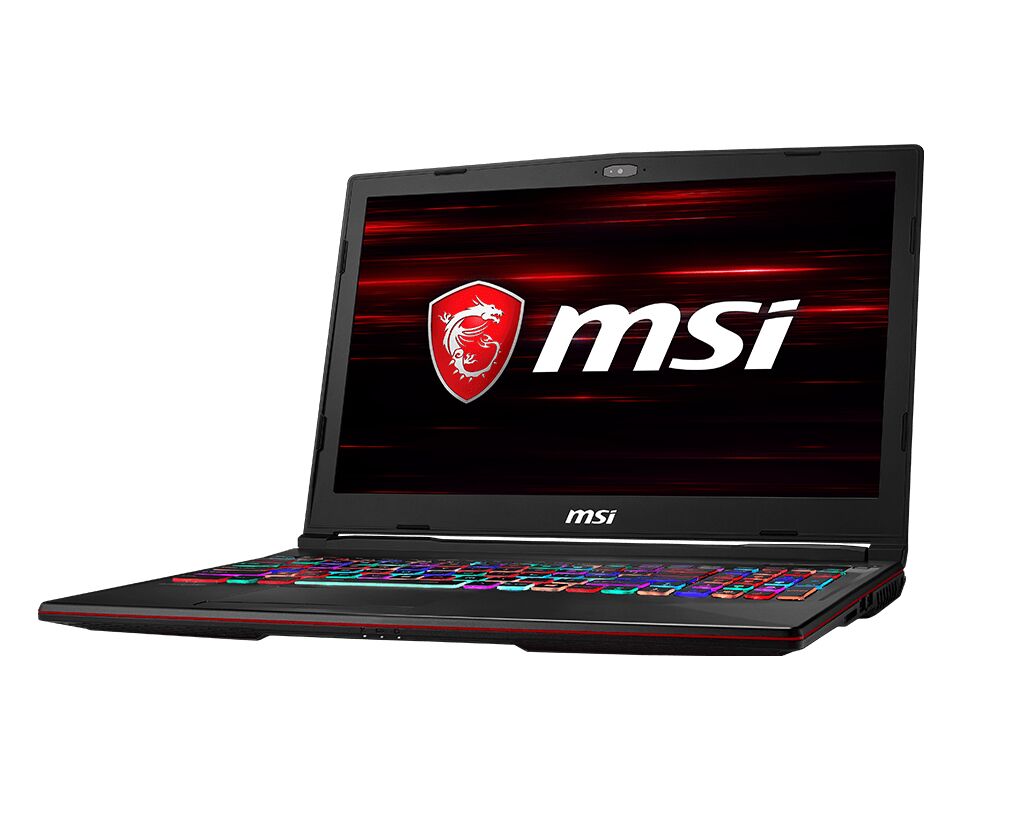
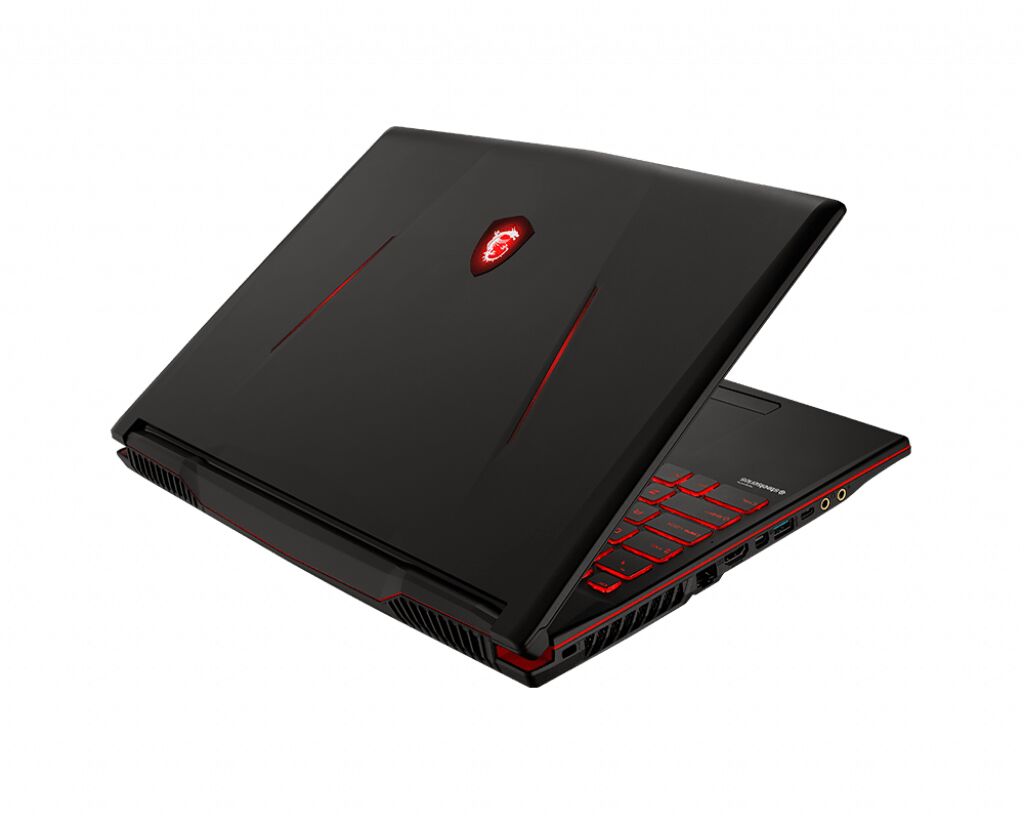
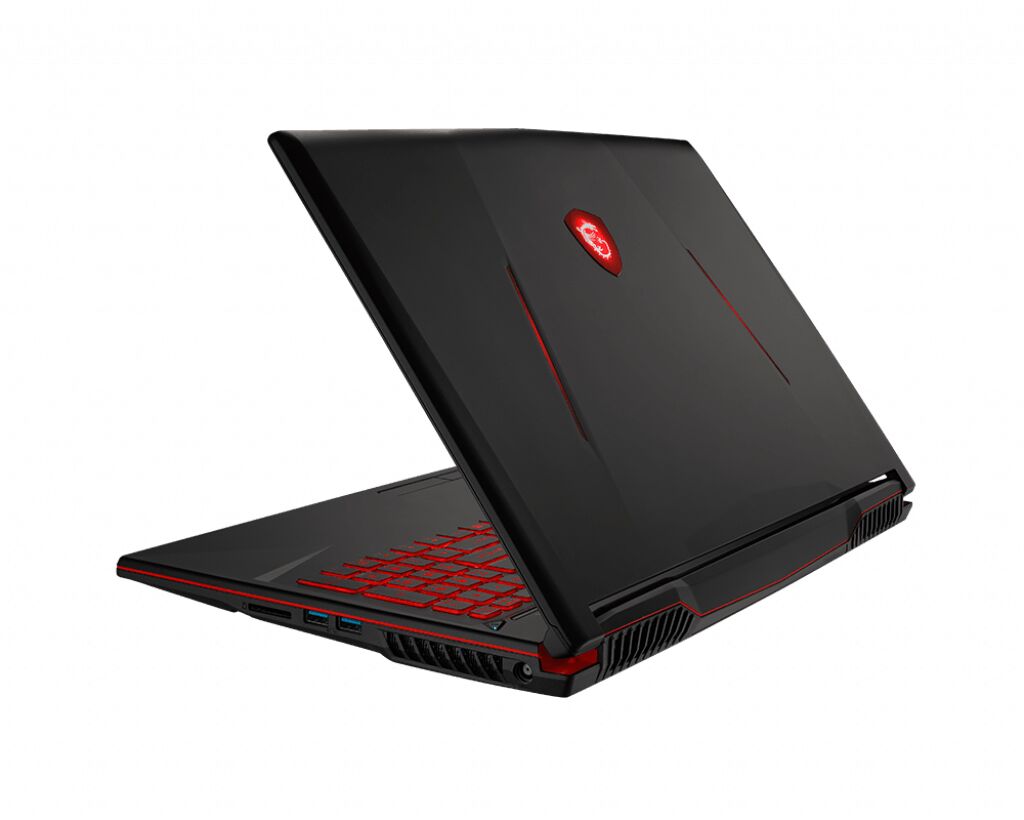
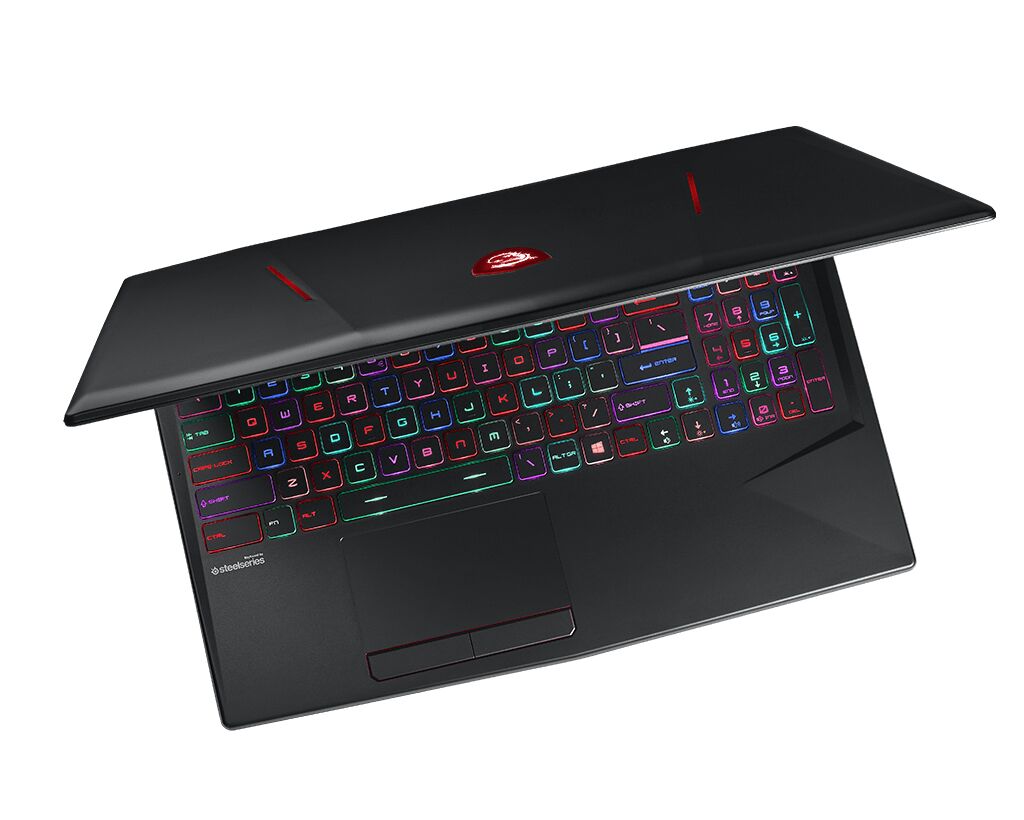
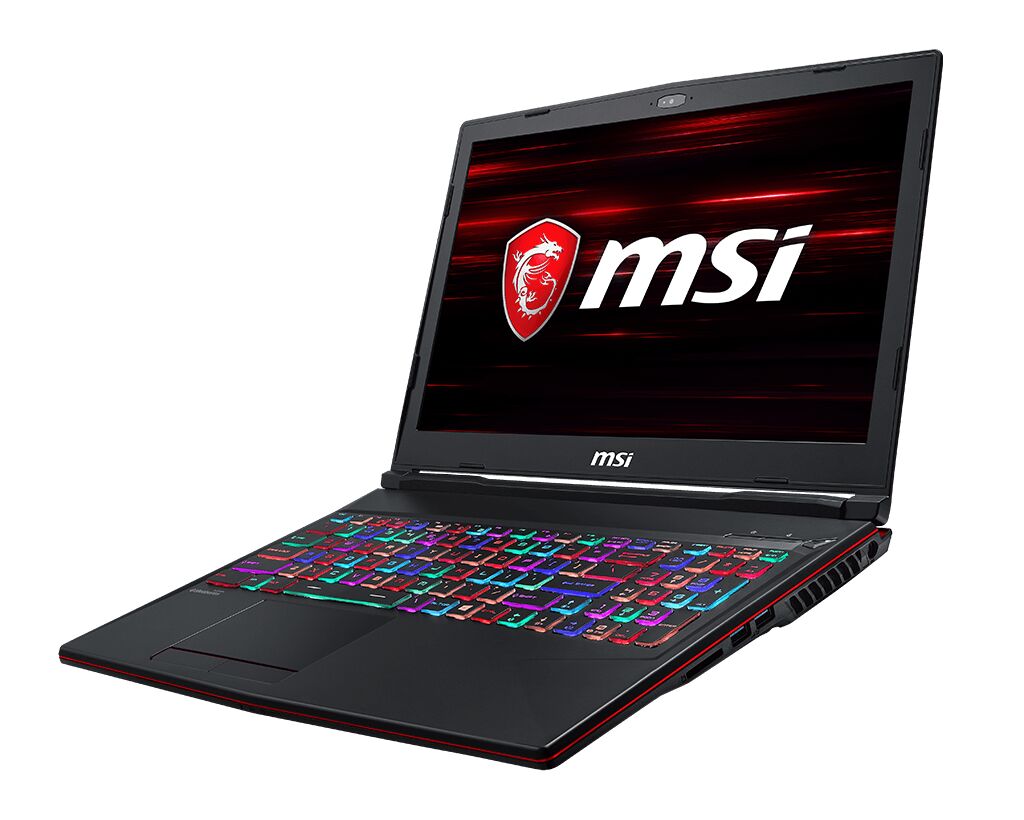
The MSI GL73 9SC-031RU gaming laptop features DDR4-SDRAM memory configuration with 2x SO-DIMM slots for RAM upgrade capability. Maximum supported memory capacity reaches 64 GB total. Compatible RAM modules operate at 2666 MHz frequency using SO-DIMM form factor. Specifications enable memory expansion to enhance system performance on MSI GL series gaming platform.
Memory Upgrade Specifications
| Specification | Value |
|---|---|
| Memory slots | 2x SO-DIMM |
| Form factor | SO-DIMM |
| Memory type | DDR4-SDRAM |
| Frequency | 2666 MHz |
| Maximum RAM | 64 GB |
| Voltage | 1.2V |
| Number of pins | 260-pin |
| Interface | PC4 |
| PC Speed Rating | PC4-2666 (PC4-21328) |
| Bandwidth | 21.3 GB/s |
| Laptop Release date | 23 September 2019 |
Additional Notes
- The MSI GL73 9SC-031RU contains 2 memory slots with a 64 GB theoretical ceiling, but practical upgrading beyond 32 GB per module depends on component availability and pricing, as SO-DIMM modules above 32 GB remain less common in retail channels than their desktop equivalents.
- DDR4-2666 MHz represents a generation-old standard; current system performance will not scale significantly with faster DDR4 modules (3200 MHz or higher) due to firmware-level memory controller locking on 9th-generation mobile platforms, making specification-matched replacements the only warranty-safe upgrade path.
- The dual SO-DIMM architecture forces a choice between symmetric (matching pairs) and asymmetric (mismatched capacity) configurations; asymmetric pairing introduces latency penalties and potential BIOS compatibility issues that may require manual memory timing adjustment or firmware updates.
- SO-DIMM modules generate higher thermal density than desktop counterparts within confined laptop chassis; sustained gaming workloads may cause thermal throttling if replacement modules lack adequate heat-spreader design, particularly in the secondary slot positioned closer to component exhaust paths.
- Memory installation on this platform requires complete system power-down and battery disconnection; failure to observe static discharge protocols during module seating risks unrecoverable damage to the memory controller embedded in the CPU die, a component not user-replaceable on mobile processors.
- Warranty validity depends on OEM-approved memory specifications; third-party modules not explicitly validated by MSI may trigger automatic warranty denial even if hardware failure occurs in unrelated subsystems, as OEM diagnostics often flag non-standard memory as a disqualifying condition.