MSI Gaming PULSE GL66 12UEK-071 RAM upgrade specifications

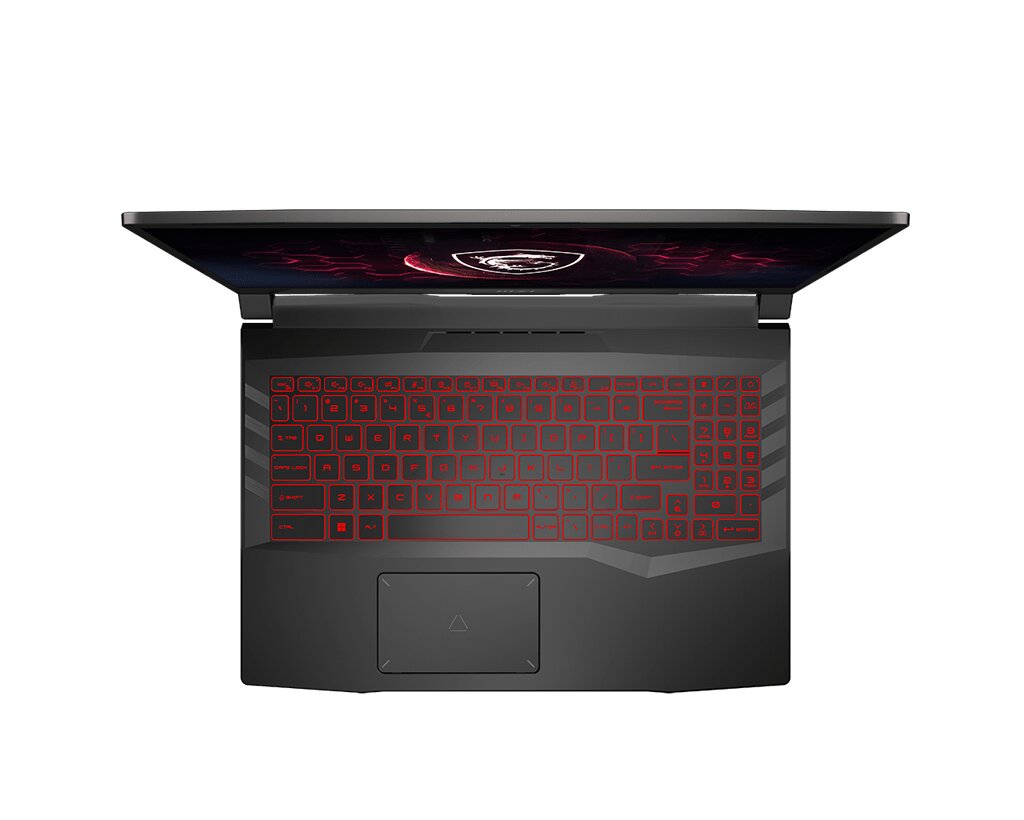
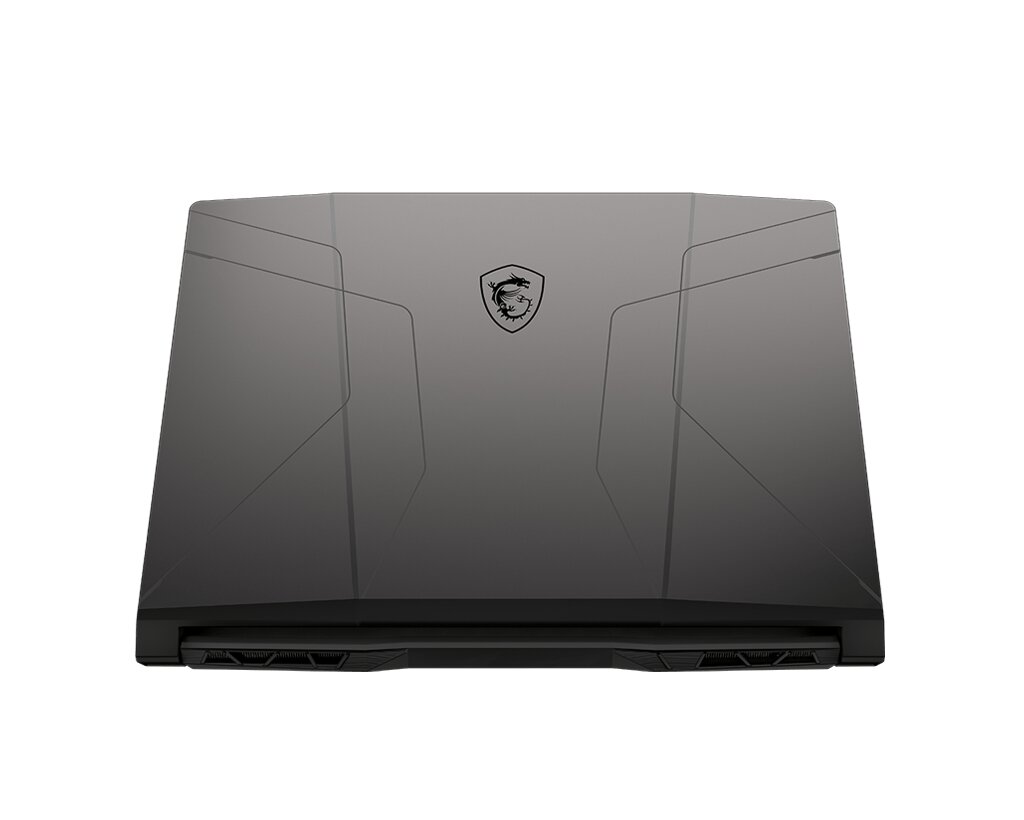
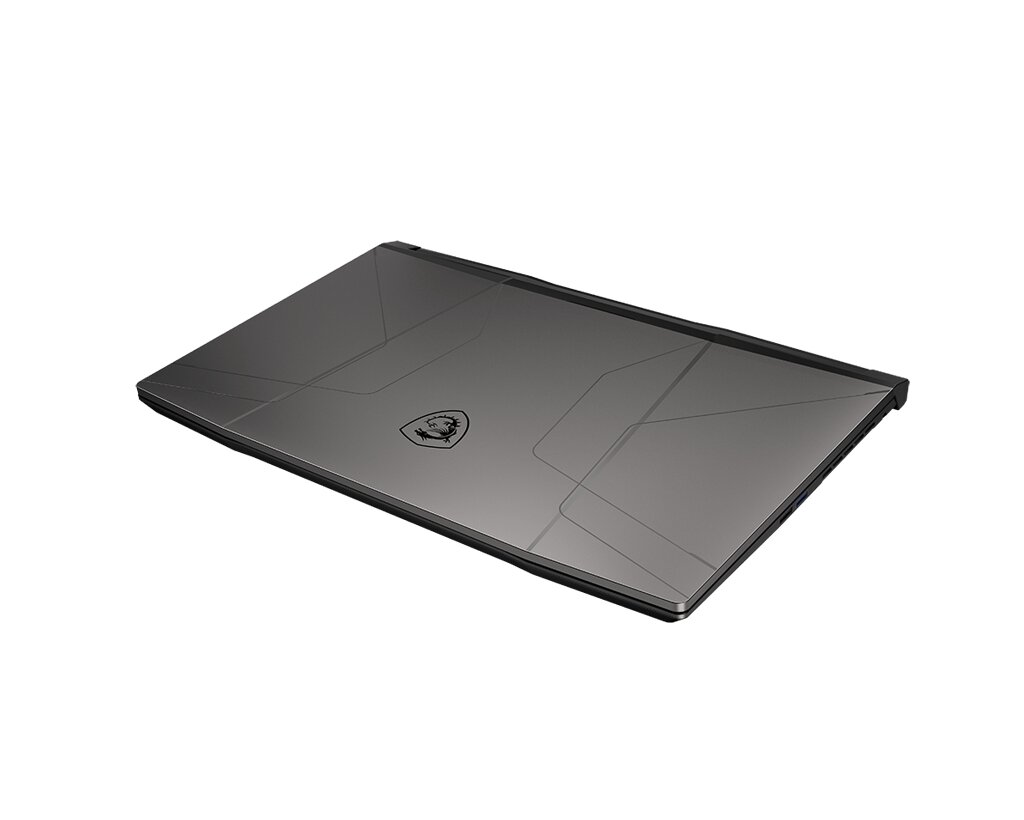
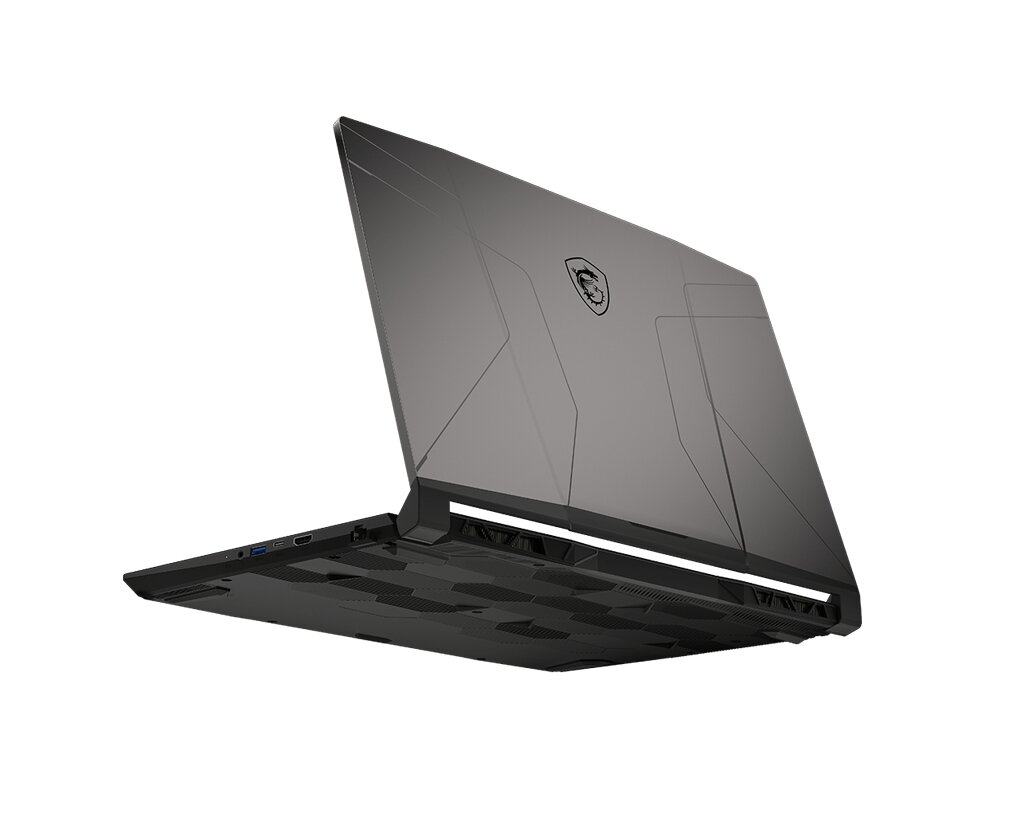
The MSI PULSE GL66 12UEK-071 gaming laptop features DDR4-SDRAM memory specifications with 2x SO-DIMM slots for RAM upgrades. The maximum supported capacity reaches 64 GB total memory, with compatible modules operating at 3200 MHz frequency. Upgrade options accommodate SO-DIMM form factor memory modules, enabling expansion of the laptop's standard memory configuration to enhance multitasking and performance capabilities.
Memory Upgrade Specifications
| Specification | Value |
|---|---|
| Memory slots | 2x SO-DIMM |
| Form factor | SO-DIMM |
| Memory type | DDR4-SDRAM |
| Frequency | 3200 MHz |
| Maximum RAM | 64 GB |
| Voltage | 1.2V |
| Number of pins | 260-pin |
| Interface | PC4 |
| PC Speed Rating | PC4-3200 (PC4-25600) |
| Bandwidth | 25.6 GB/s |
| Laptop Release date | 28 January 2022 |
Additional Notes
- The SO-DIMM slots limit upgrade options to laptop-specific memory modules, which typically cost more per gigabyte than desktop DIMM equivalents and offer fewer manufacturer choices.
- The 64 GB ceiling means each slot can accommodate a maximum 32 GB module, requiring matched pairs of high-density modules to reach full capacity.
- DDR4-3200 operates at a faster clock speed than older DDR4-2666 or DDR4-2400 modules, so installing lower-frequency RAM would force the entire system to downclock to the slowest module's speed.
- The dual-channel configuration requires installing RAM in both slots to achieve maximum memory bandwidth, as a single module would halve data transfer rates and reduce integrated graphics performance.
- The MSI PULSE GL66 12UEK-071 uses Intel 12th generation processors with DDR4 controllers that may not guarantee stability above 3200 MHz, making XMP profiles rated for 3600 MHz or higher a compatibility risk without BIOS support.
- Most SO-DIMM DDR4 modules operate at 1.2V standard voltage, but high-performance kits may require 1.35V, which could trigger thermal throttling in the confined laptop chassis during sustained workloads.
- Accessing the memory slots typically requires removing the bottom panel, which may void warranty seals on some regional variants unless the manufacturer explicitly permits user-serviceable RAM upgrades.
- Mixing modules with different CAS latencies will force the memory controller to adopt the slower timing of the two, potentially negating the performance benefit of adding more capacity.
- The 3200 MHz specification represents the JEDEC standard speed, meaning aftermarket modules advertised at this frequency should work without enabling XMP in BIOS, unlike overclocked kits.
- The absence of ECC support in consumer SO-DIMM DDR4 means the system cannot detect or correct single-bit memory errors, making module quality critical for long-term stability.