MSI Gaming GP65 9SD-094IT Leopard RAM upgrade specifications




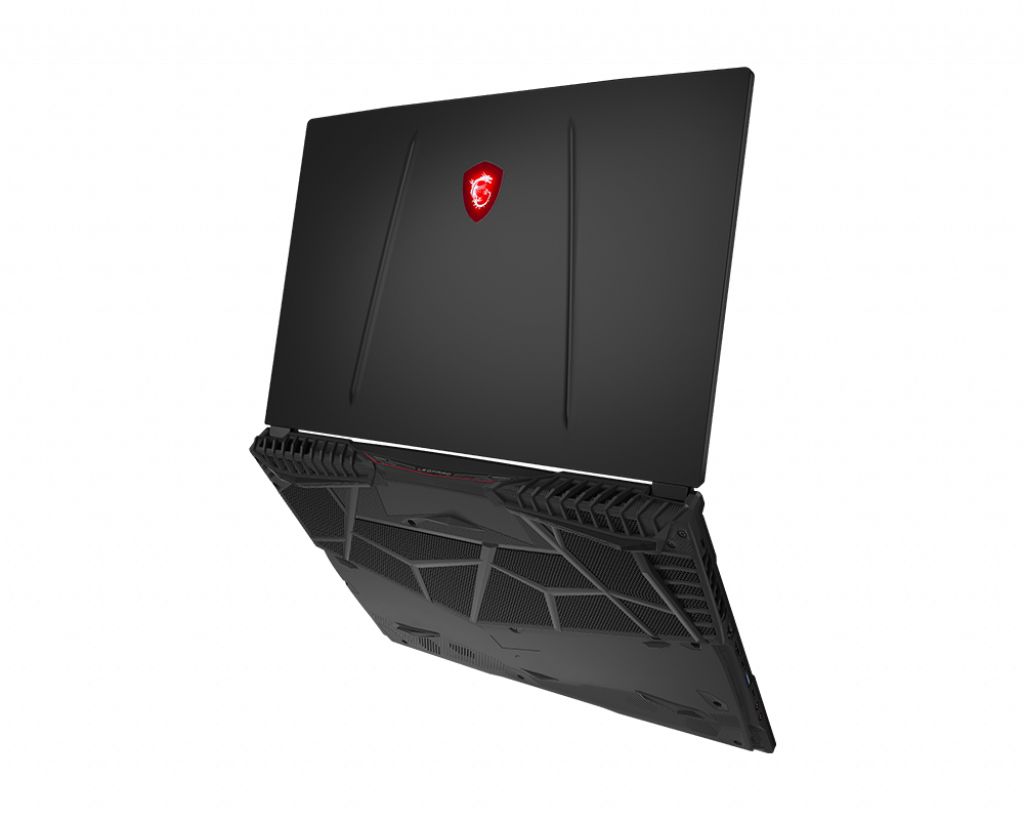
The MSI GP65 9SD-094IT Leopard gaming laptop supports DDR4-SDRAM memory upgrades through two SO-DIMM slots. The maximum compatible RAM capacity reaches 64 GB, with memory operating at 2666 MHz frequency. Specifications indicate the GP series model accommodates SO-DIMM form factor modules. Users requiring memory expansion should reference these upgrade parameters for compatible RAM installation on the MSI Gaming GP65 9SD-094IT Leopard platform.
Memory Upgrade Specifications
| Specification | Value |
|---|---|
| Memory slots | 2x SO-DIMM |
| Form factor | SO-DIMM |
| Memory type | DDR4-SDRAM |
| Frequency | 2666 MHz |
| Maximum RAM | 64 GB |
| Voltage | 1.2V |
| Number of pins | 260-pin |
| Interface | PC4 |
| PC Speed Rating | PC4-2666 (PC4-21328) |
| Bandwidth | 21.3 GB/s |
| Laptop Release date | 27 August 2019 |
Additional Notes
- The MSI GP65 9SD-094IT Leopard memory controller supports configurations up to 2 modules of 32 GB each, eliminating intermediate upgrade steps for users targeting maximum capacity.
- DDR4-2666 represents the JEDEC standard speed, while the chipset may support higher frequencies through XMP profiles if the installed modules include such programming.
- SO-DIMM modules exceeding 262-pin configuration or featuring non-standard heat spreaders may encounter physical clearance issues with the keyboard assembly or palmrest structure.
- Memory bandwidth peaks at 21.3 GB/s per channel when operating in dual-channel mode, compared to 10.6 GB/s in single-channel configuration with one occupied slot.
- Non-matching module capacities between the 2 slots trigger flex mode operation, reducing effective dual-channel bandwidth to twice the capacity of the smaller module.
- DDR4 modules rated above 2666 MHz will downclock to match the supported frequency unless BIOS settings expose manual timing adjustments.
- Unbuffered non-ECC modules maintain compatibility with the system's memory controller, while registered or error-correcting variants will fail POST initialization.
- Access to both memory slots typically requires complete bottom panel removal, as opposed to dedicated service doors found in workstation-class systems.
- Mixing modules from different manufacturing processes or die revisions introduces potential stability risks during sustained memory-intensive operations despite matching specifications.
- Voltage requirements remain fixed at 1.2V for DDR4 standard operation, with low-voltage variants offering no performance advantage in this platform.