MSI Gaming GP66 11UG-279XPL Leopard RAM upgrade specifications
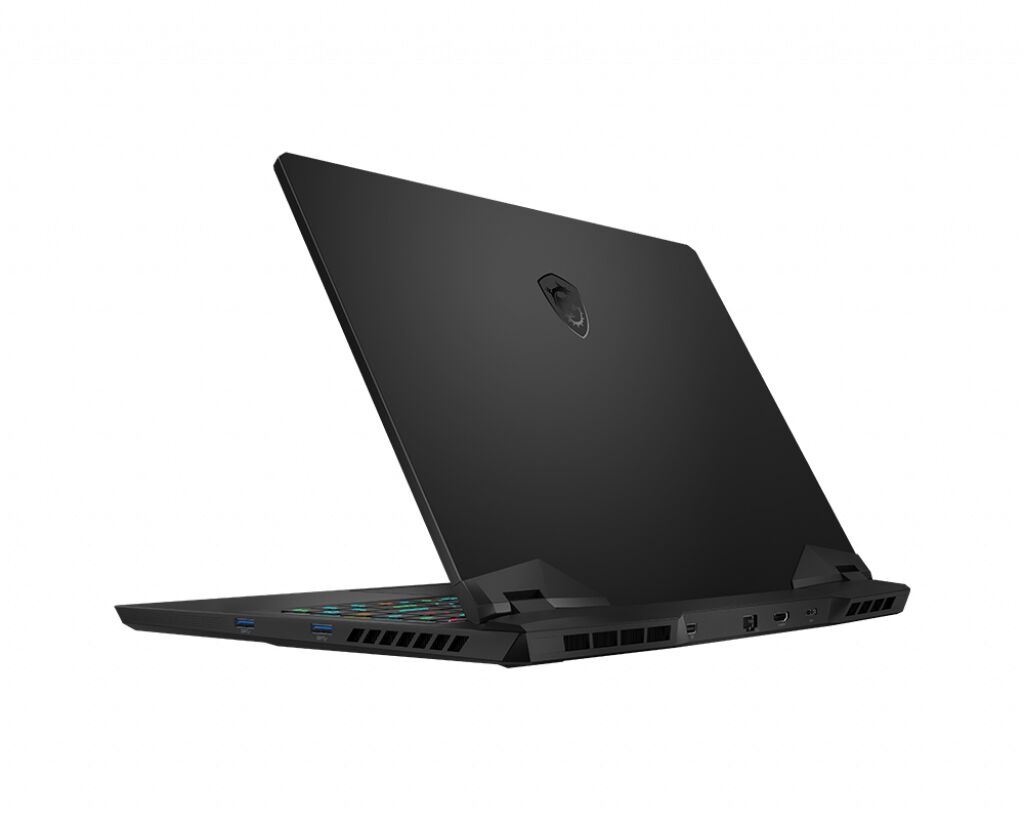
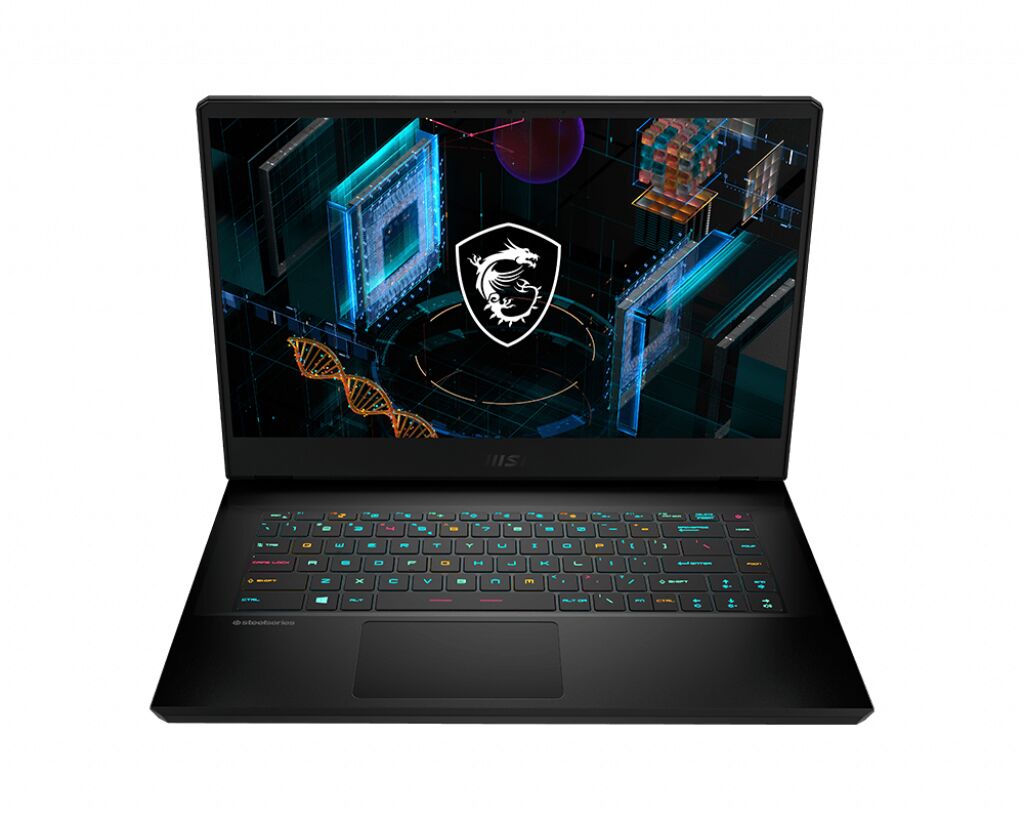
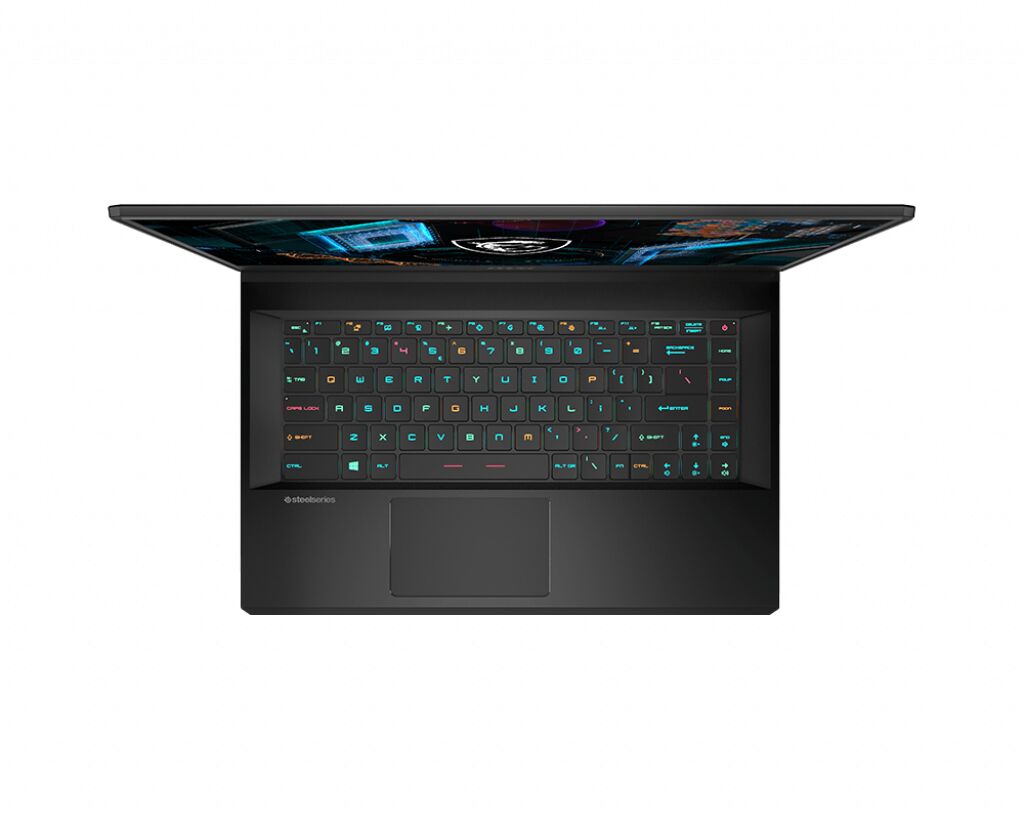
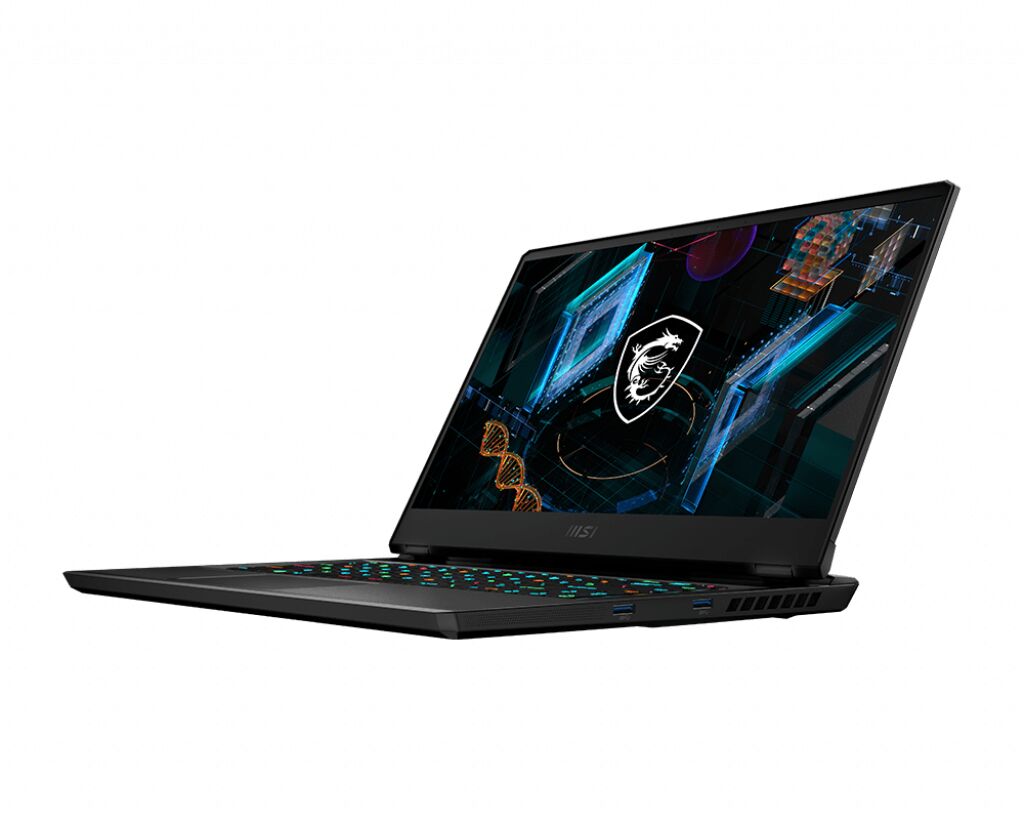
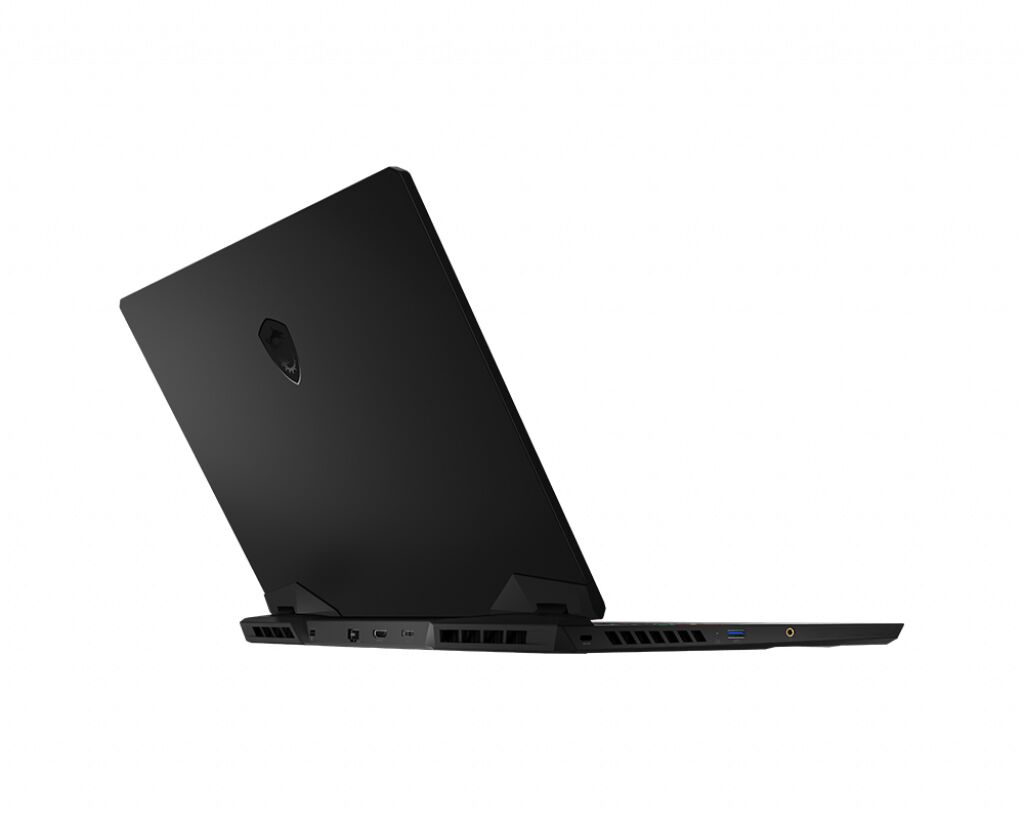
The MSI GP66 11UG-279XPL Leopard gaming laptop features DDR4-SDRAM memory upgrade capabilities with 2x SO-DIMM slots supporting maximum RAM capacity of 64 GB. Compatible memory modules operate at 3200 MHz frequency using SO-DIMM form factor. Specifications allow for expansion and configuration of memory to meet performance requirements for the GP series specifications.
Memory Upgrade Specifications
| Specification | Value |
|---|---|
| Memory slots | 2x SO-DIMM |
| Form factor | SO-DIMM |
| Memory type | DDR4-SDRAM |
| Frequency | 3200 MHz |
| Maximum RAM | 64 GB |
| Voltage | 1.2V |
| Number of pins | 260-pin |
| Interface | PC4 |
| PC Speed Rating | PC4-3200 (PC4-25600) |
| Bandwidth | 25.6 GB/s |
| Laptop Release date | 14 January 2022 |
Additional Notes
- The MSI GP66 11UG-279XPL Leopard chipset supports dual-channel memory architecture, requiring matched module pairs to avoid performance degradation from single-channel operation.
- DDR4-3200 represents the native JEDEC specification, meaning modules rated above this frequency will downclock unless XMP profiles are enabled in BIOS and supported by the processor.
- The 64 GB ceiling indicates compatibility with 32 GB per slot density, requiring double-sided module construction that may generate additional heat under sustained workloads.
- SO-DIMM physical constraints limit PCB trace length compared to desktop DIMM, making signal integrity more sensitive to mixed-vendor configurations or mismatched CAS latencies.
- Accessing memory slots typically requires removing the bottom panel and potentially voiding thermal compound seals, depending on cooling system design interference with DIMM retention clips.
- Running asymmetric capacities across slots triggers flex mode operation, where only the matched portion operates in dual-channel while excess capacity reverts to slower single-channel bandwidth.
- Native 3200 MHz operation at JEDEC voltage (1.2V) produces less thermal output than overclocked modules requiring 1.35V or higher, relevant for thermally constrained laptop chassis.
- Upgrading beyond factory-installed capacity may require BIOS updates to recognize higher-density modules, particularly when moving from 8 GB to 32 GB per slot configurations.
- Memory controller bandwidth at 3200 MHz translates to 51.2 GB/s theoretical maximum in dual-channel mode, sufficient for integrated graphics sharing system memory but potentially limiting for high-resolution texture streaming.