MSI Gaming GP66 11UH-671 Leopard RAM upgrade specifications
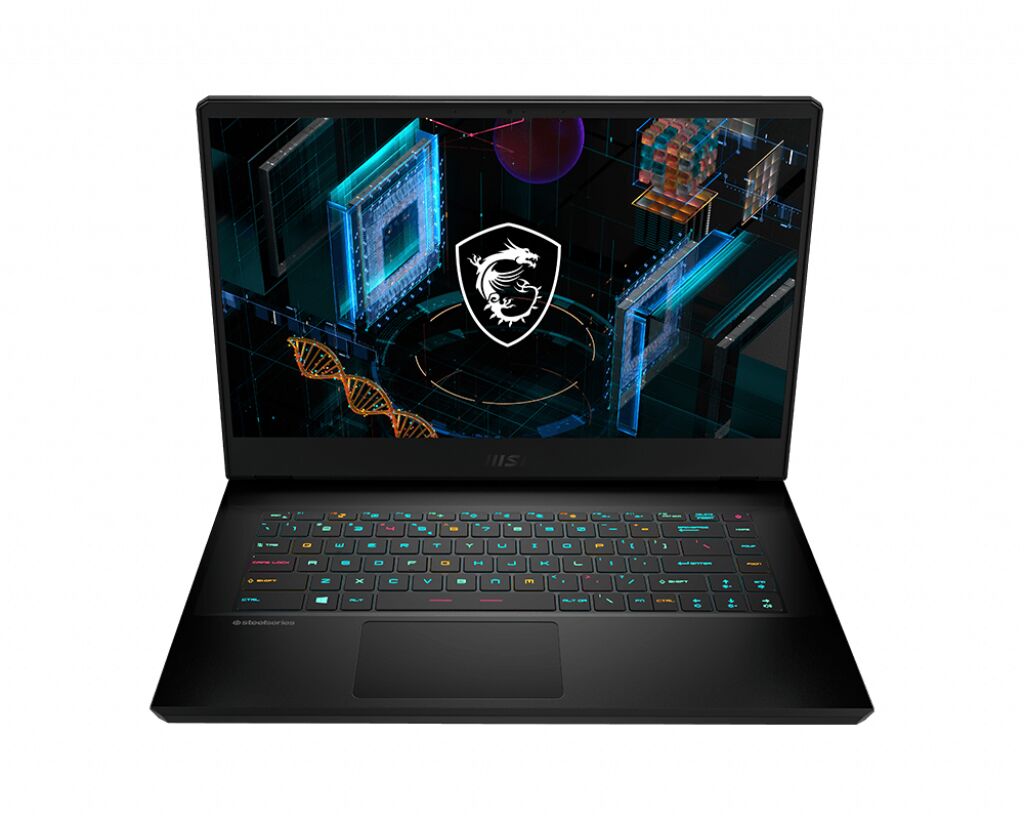
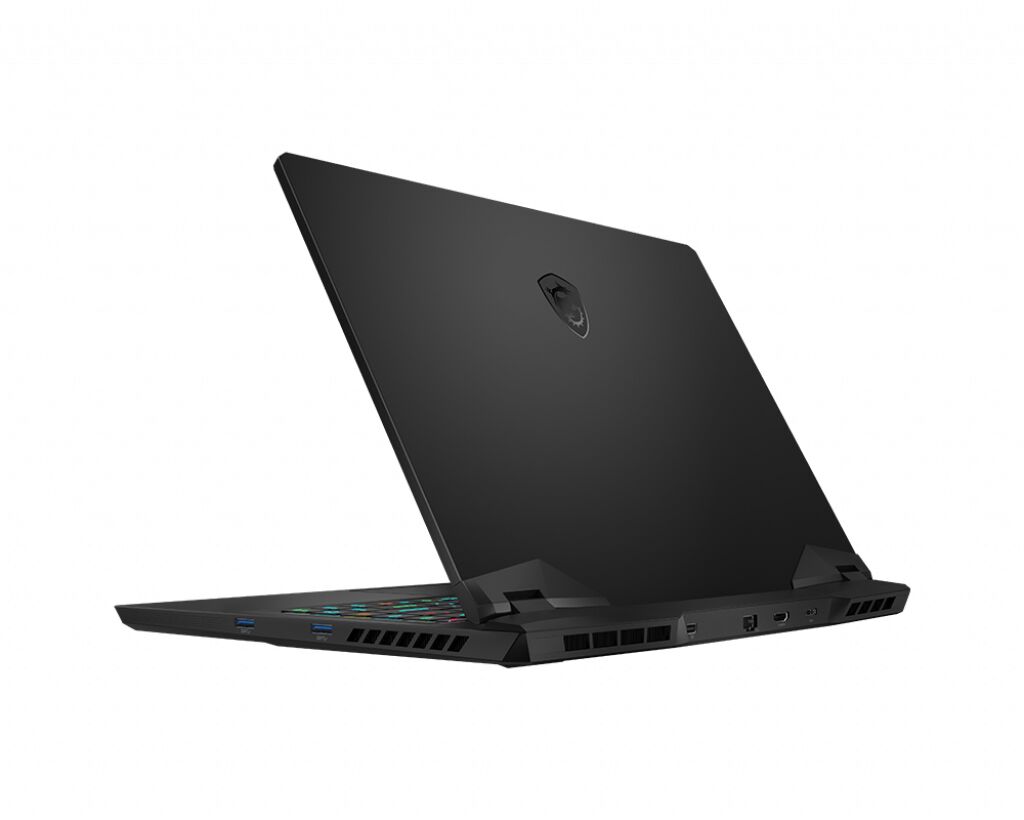
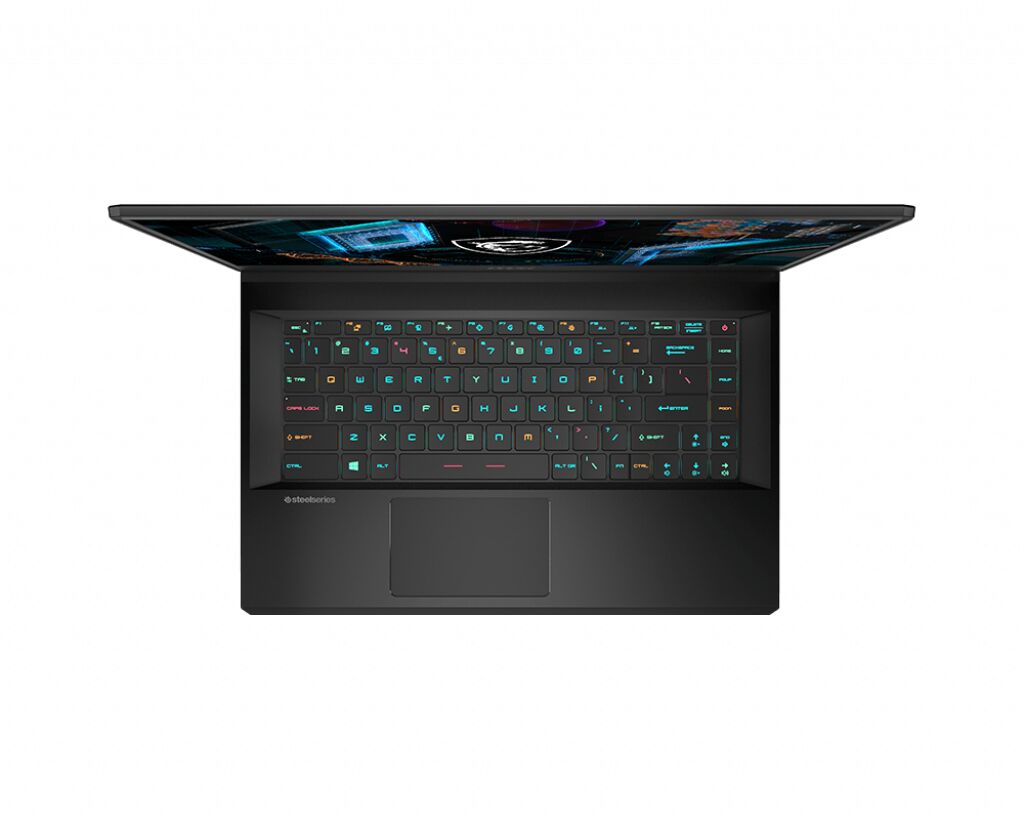
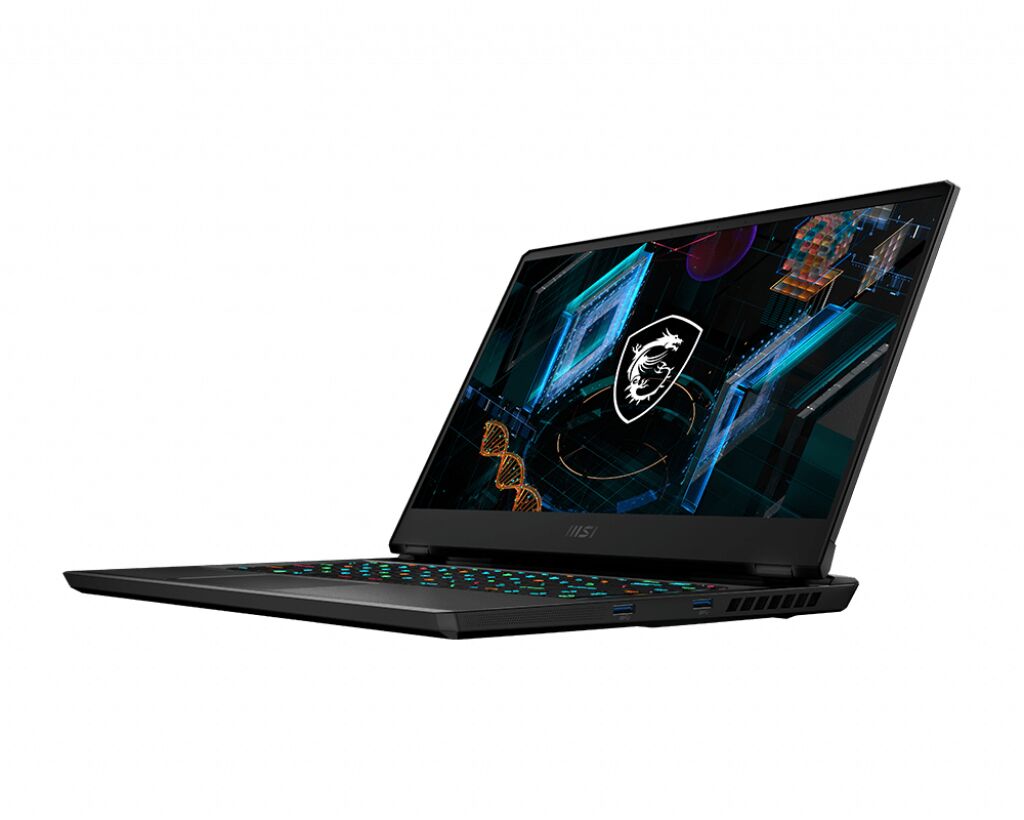
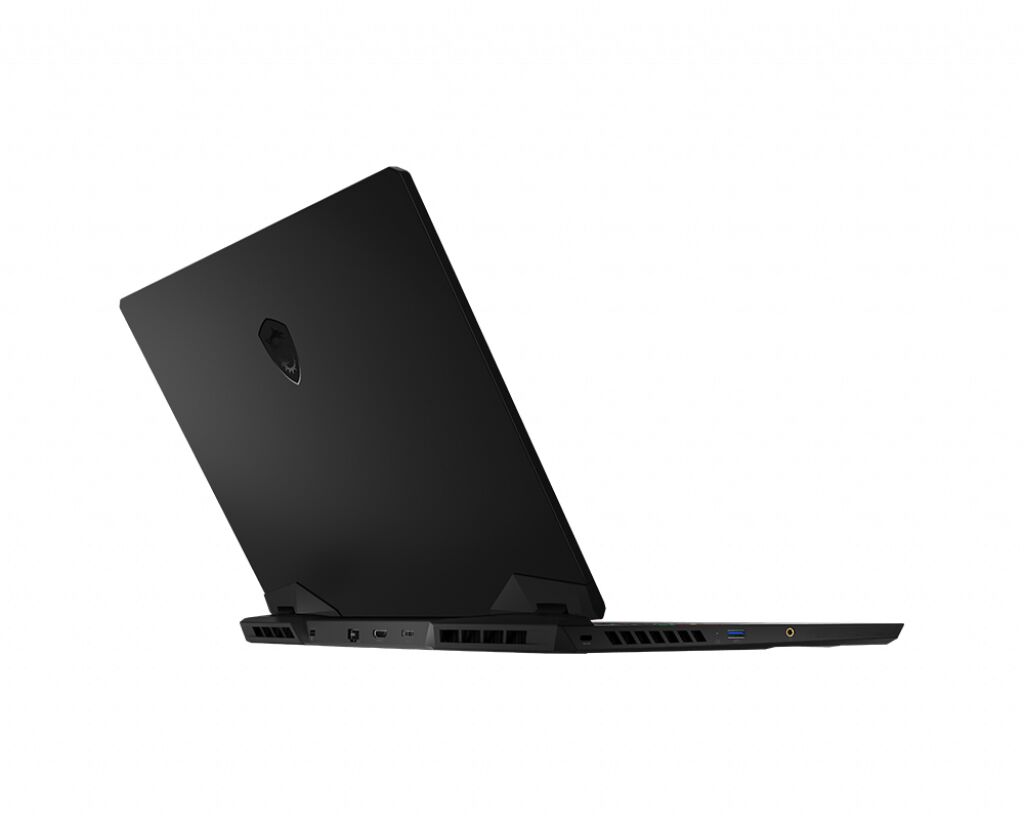
The MSI GP66 11UH-671 Leopard gaming laptop features two SO-DIMM slots for memory upgrade capability. The system supports DDR4-SDRAM memory operating at 3200 MHz frequency. Maximum compatible RAM capacity reaches 64 GB total, allowing users to expand the initial memory configuration. Upgrade options utilize standard SO-DIMM form factor modules, with specifications supporting both single and dual channel memory configurations for enhanced performance in gaming and intensive applications.
Memory Upgrade Specifications
| Specification | Value |
|---|---|
| Memory slots | 2x SO-DIMM |
| Form factor | SO-DIMM |
| Memory type | DDR4-SDRAM |
| Frequency | 3200 MHz |
| Maximum RAM | 64 GB |
| Voltage | 1.2V |
| Number of pins | 260-pin |
| Interface | PC4 |
| PC Speed Rating | PC4-3200 (PC4-25600) |
| Bandwidth | 25.6 GB/s |
| Laptop Release date | 28 January 2022 |
Additional Notes
- The MSI GP66 11UH-671 Leopard contains 2 memory slots operating in dual-channel configuration, which means single-module upgrades will not achieve maximum memory bandwidth and will leave one channel underutilized until a second module is installed.
- DDR4-3200 specification indicates the memory controller supports up to 3200 MHz; however, actual performance depends on BIOS revision and CPU generation compatibility, as earlier firmware versions may require manual timing adjustments or may default to lower frequencies.
- SO-DIMM form factor restricts upgrade options to laptop-specific modules; desktop DDR4 UDIMM or RDIMM variants are physically incompatible and cannot be force-fitted into the slots.
- The 64 GB maximum capacity ceiling means each slot can accept 32 GB modules; mixing 16 GB and 32 GB modules is functional but wastes the 32 GB slot's additional density potential.
- DDR4-3200 memory operates at 1.2 V nominal; modules rated for higher voltages (1.35 V or 1.5 V) may not automatically downnegotiate and could trigger overheating or stability issues if installed without BIOS voltage profile adjustment.
- SO-DIMM slots on gaming laptops typically lack mechanical ejector tabs found on desktop systems; removal requires angled extraction rather than tab release, increasing risk of contact damage during improper removal.
- Memory upgrade does not require BIOS modification for recognition up to the stated maximum, but frequency validation and timing parameter persistence across BIOS updates should be confirmed post-installation through system information utilities.