MSI Gaming GP66 12UE-429MX Vector RAM upgrade specifications
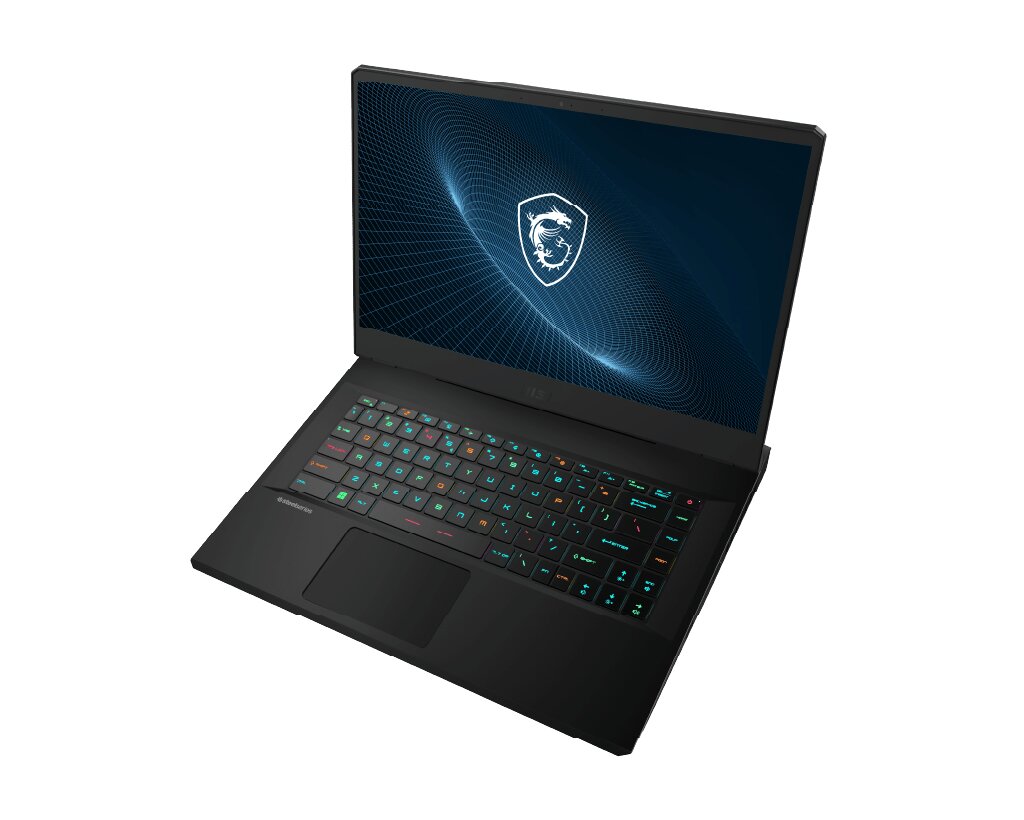
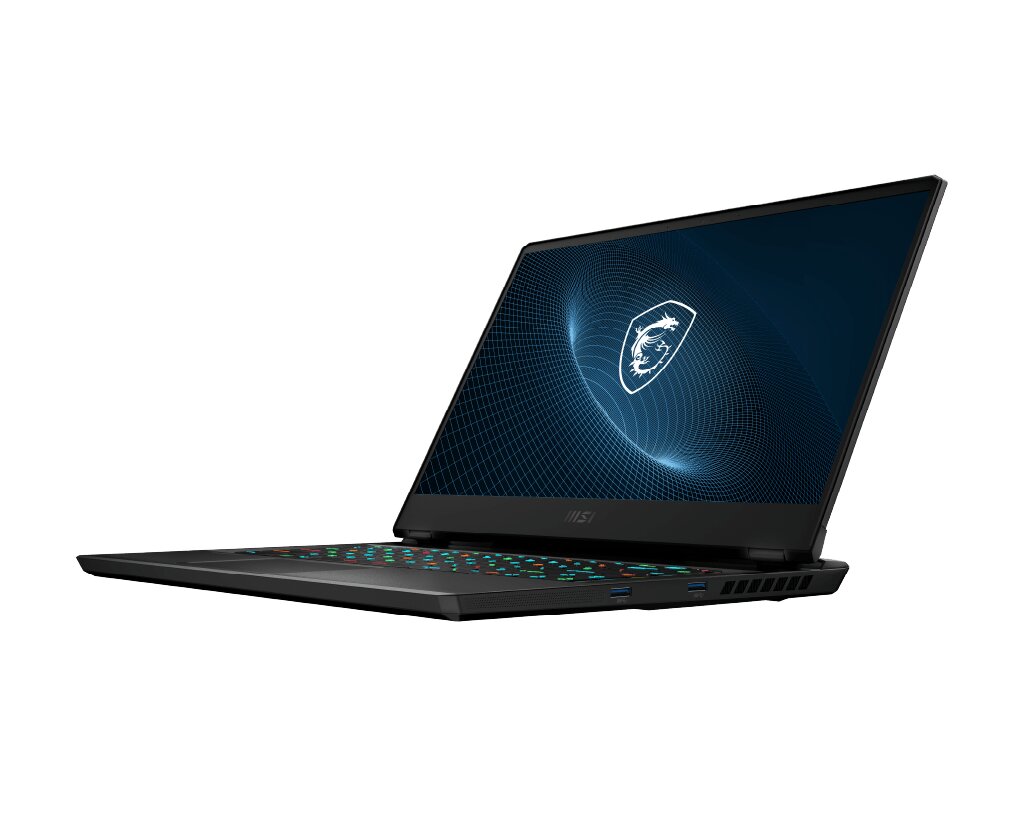
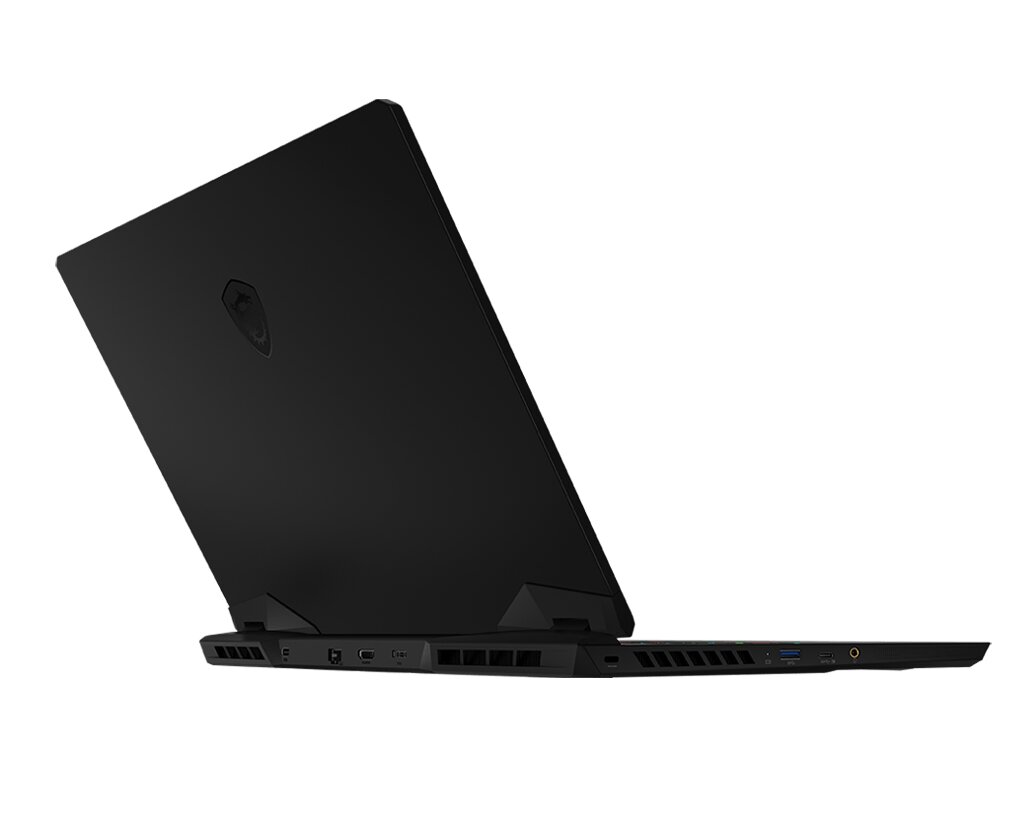
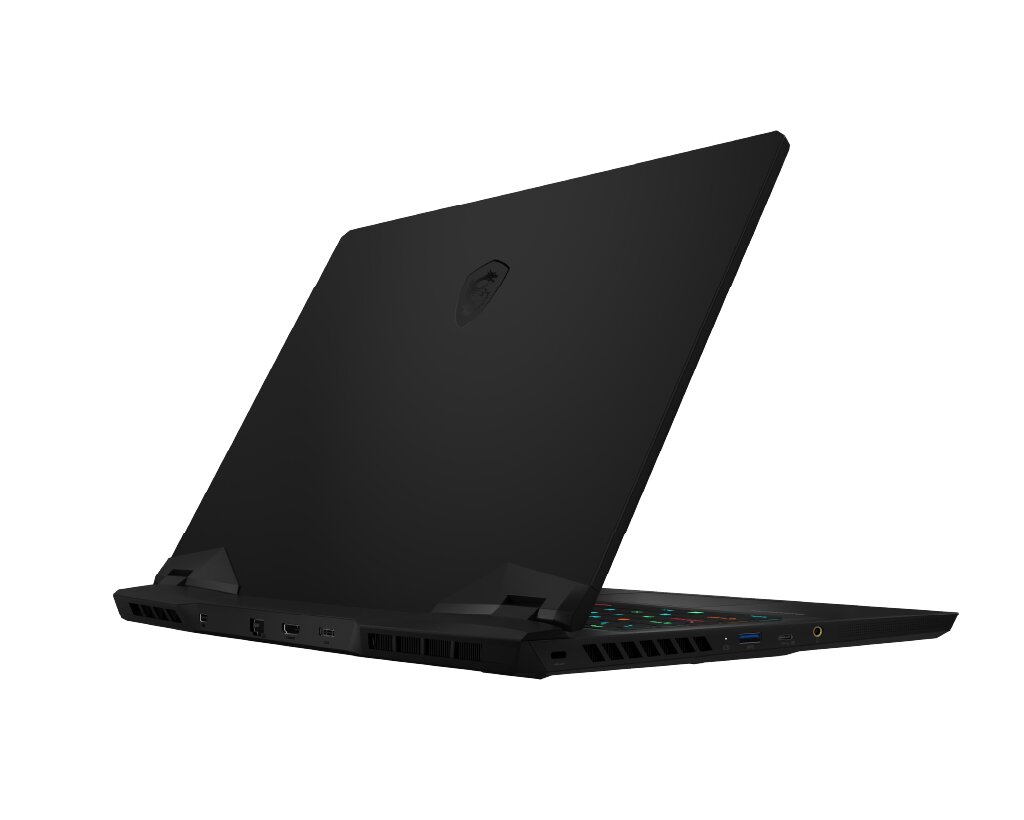
The MSI GP66 12UE-429MX Vector gaming laptop features DDR4-SDRAM memory upgrade specifications. Compatible RAM utilizes SO-DIMM form factor slots, with two available slots for memory expansion. Maximum supported capacity reaches 64 GB total, operating at 3200 MHz frequency. Current memory specifications and upgrade options for the MSI GP66 12UE-429MX Vector model provide details on compatible DDR4 modules and available slot configurations for system memory enhancement.
Memory Upgrade Specifications
| Specification | Value |
|---|---|
| Memory slots | 2x SO-DIMM |
| Form factor | SO-DIMM |
| Memory type | DDR4-SDRAM |
| Frequency | 3200 MHz |
| Maximum RAM | 64 GB |
| Voltage | 1.2V |
| Number of pins | 260-pin |
| Interface | PC4 |
| PC Speed Rating | PC4-3200 (PC4-25600) |
| Bandwidth | 25.6 GB/s |
| Laptop Release date | 30 July 2022 |
Additional Notes
- Dual channel mode requires identical module capacities across both slots to ensure peak memory bandwidth for the MSI GP66 12UE-429MX Vector.
- The internal architecture lacks soldered memory which permits the total replacement of factory modules without encountering permanent capacity limitations.
- Installing modules with lower latency timings than the factory defaults can improve frame time consistency in CPU bound gaming scenarios.
- Physical access to the SO-DIMM slots necessitates the removal of the entire bottom chassis panel which may involve piercing a factory seal sticker.
- The system uses a 260 pin physical interface which is incompatible with newer DDR5 or older DDR3 hardware standards.
- Voltage requirements for high performance memory must match the standard DDR4 specification of 1.2V to avoid thermal instability within the compact chassis.
- Reaching the 64 GB threshold requires 2 individual 32 GB modules as the motherboard cannot address higher density single sticks.
- The integrated memory controller will downclock any modules rated above 3200 MHz to match the maximum supported chipset frequency.