MSI Gaming GP73 8RF-656 Leopard RAM upgrade specifications
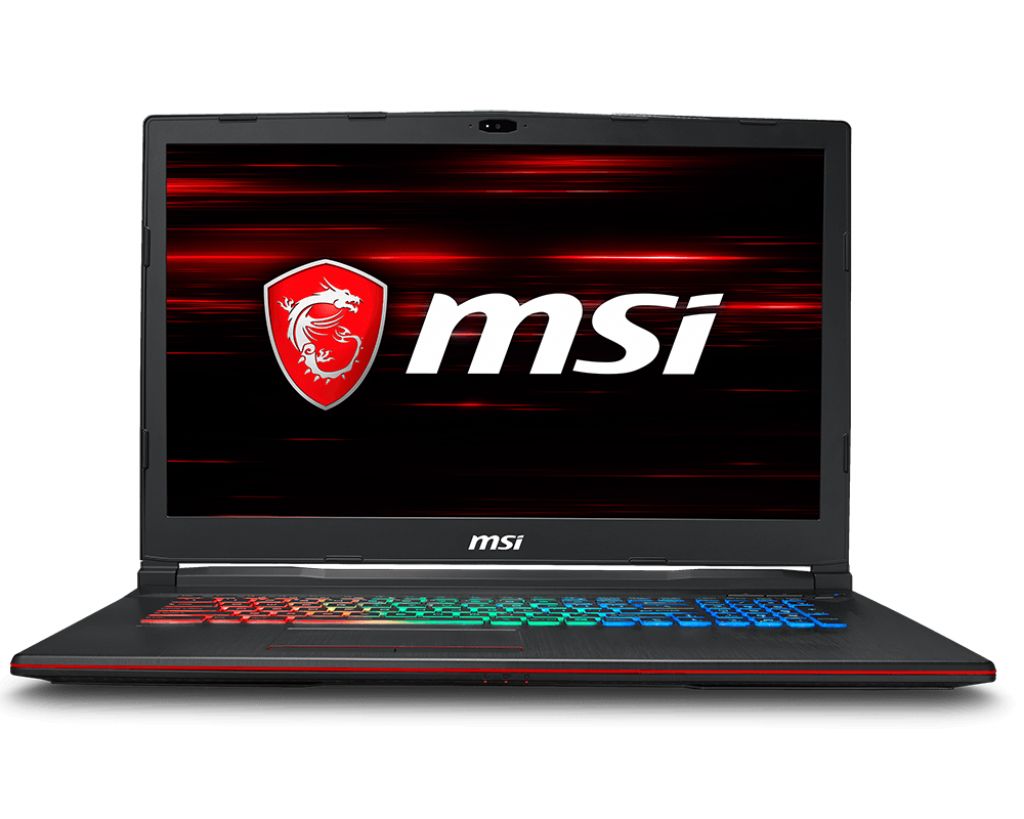
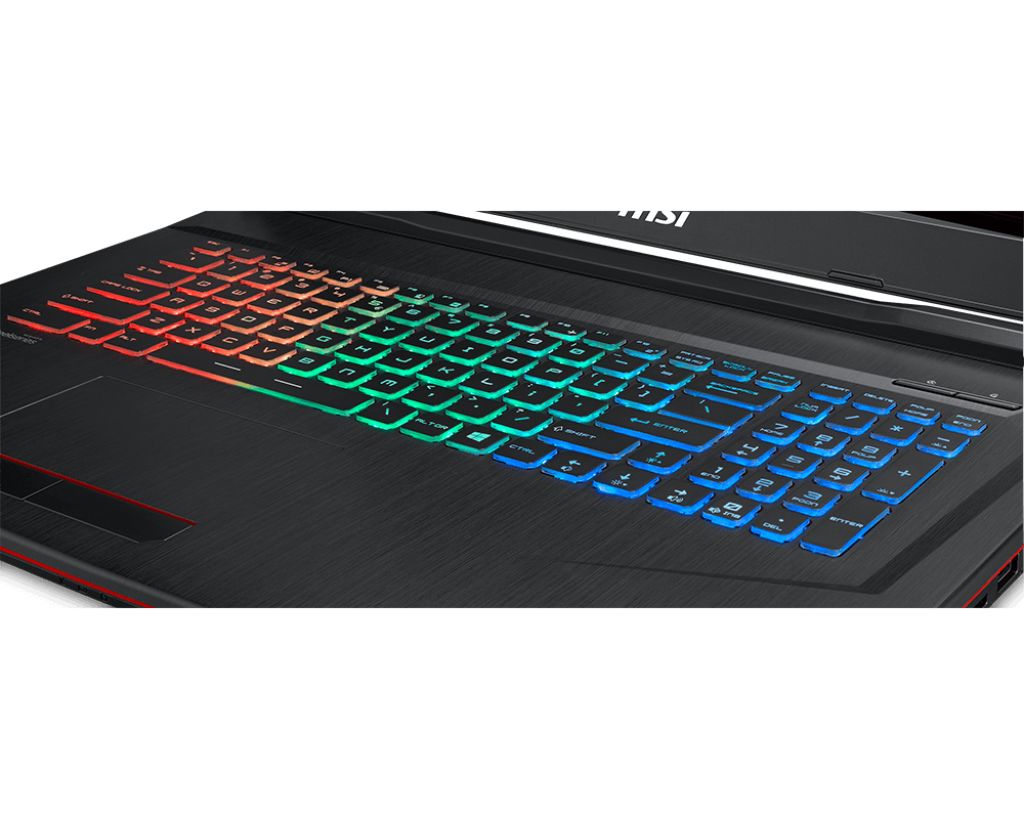
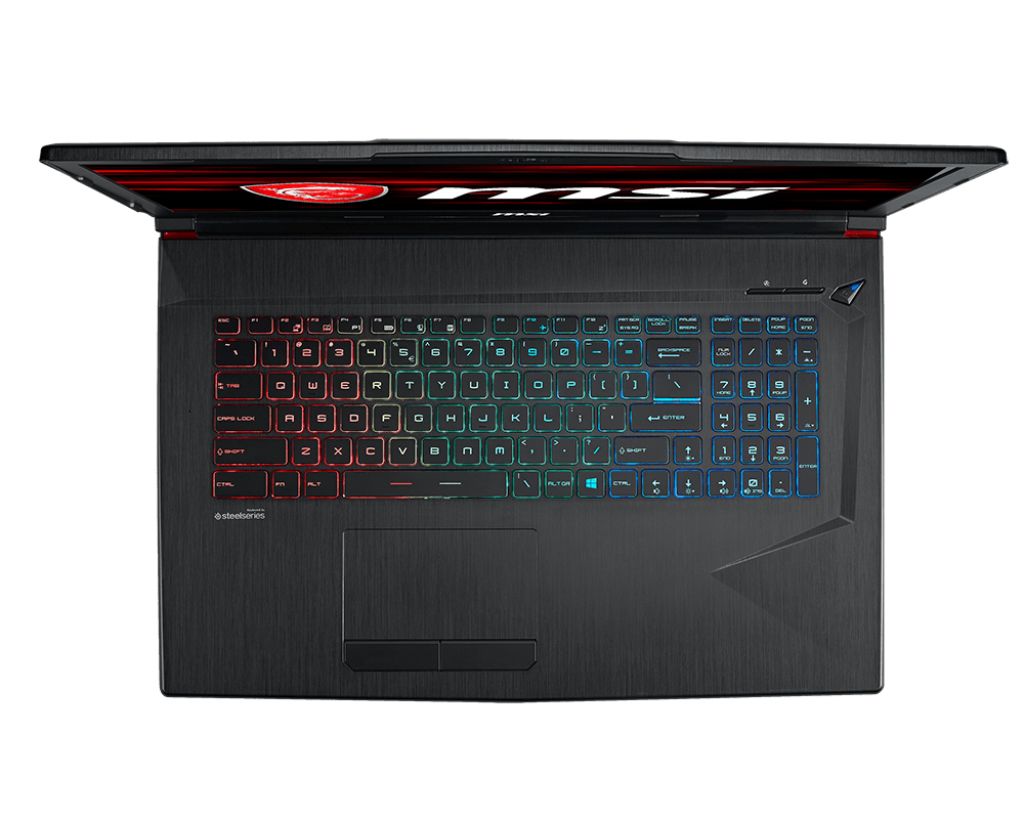
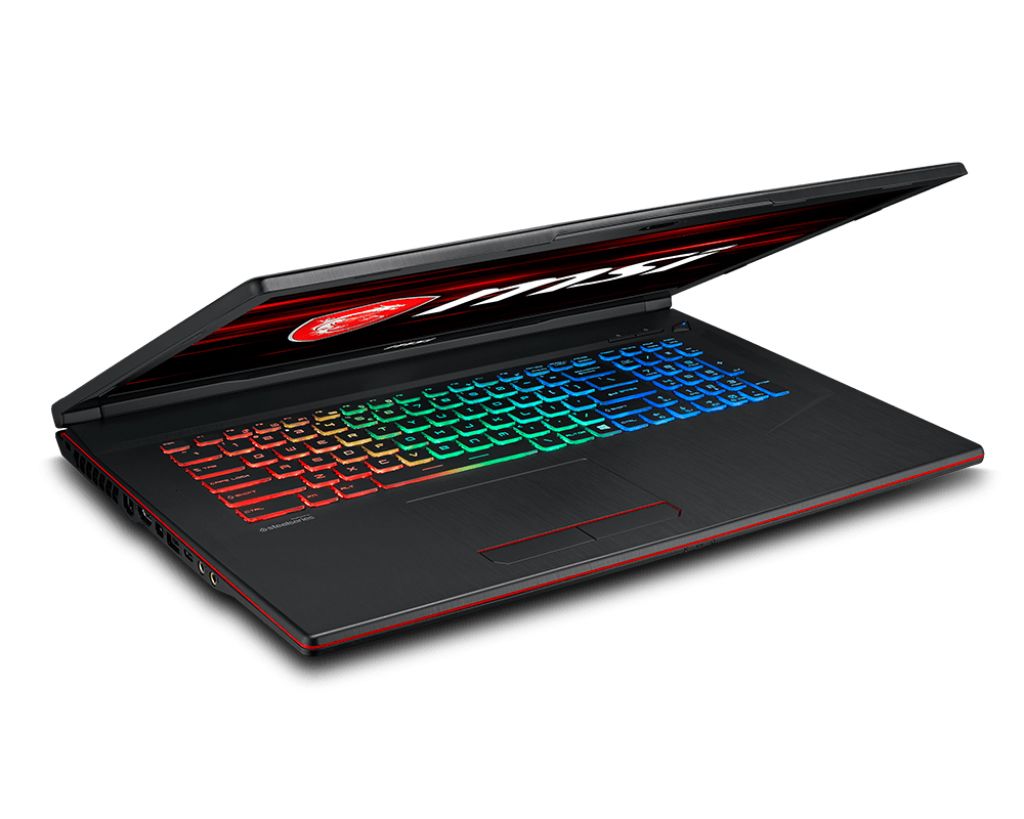
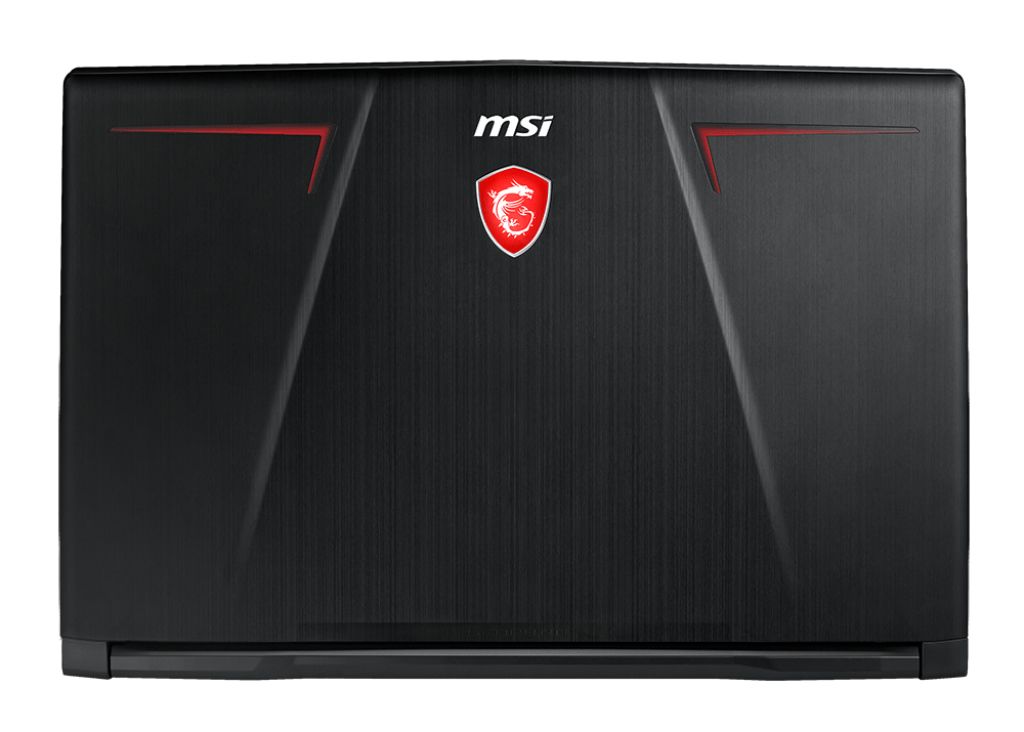
The MSI GP73 8RF-656 Leopard gaming laptop supports DDR4-SDRAM memory upgrades through two SO-DIMM slots. The upgrade specifications allow for a maximum RAM capacity of 32 GB, with compatible memory operating at 2666 MHz frequency. The SO-DIMM form factor enables straightforward memory module installation for users seeking to expand the laptop's multitasking and performance capabilities.
Memory Upgrade Specifications
| Specification | Value |
|---|---|
| Memory slots | 2x SO-DIMM |
| Form factor | SO-DIMM |
| Memory type | DDR4-SDRAM |
| Frequency | 2666 MHz |
| Maximum RAM | 32 GB |
| Voltage | 1.2V |
| Number of pins | 260-pin |
| Interface | PC4 |
| PC Speed Rating | PC4-2666 (PC4-21328) |
| Bandwidth | 21.3 GB/s |
| Laptop Release date | 24 December 2018 |
Additional Notes
- The MSI GP73 8RF-656 Leopard contains 2 memory slots, permitting either dual-module configurations or single-module installations with one vacant slot remaining after upgrade.
- DDR4-2666 specification indicates the system controller operates below current DDR4 standard frequencies (3200+ MHz), resulting in reduced memory bandwidth compared to newer platforms and potential latency disadvantages when paired with high-refresh gaming displays.
- SO-DIMM form factor restricts upgrade options to laptop-specific modules; desktop DDR4 DIMMs are physically incompatible and cannot be installed regardless of electrical compatibility.
- The 32 GB ceiling represents the maximum addressable capacity; individual modules must not exceed 16 GB each to remain within warranty-compliant specifications for this generation.
- Frequency matching is essential: modules rated below 2666 MHz operate at reduced speeds while modules rated above 2666 MHz downclock to 2666 MHz, preventing performance gains from higher-rated memory.
- Dual-channel configuration requires matching module pairs in terms of capacity and timing characteristics; mismatched modules may trigger BIOS errors or force single-channel operation with measurable frame rate reduction in GPU-intensive tasks.
- Replacement rather than addition represents the practical upgrade path; installing a single 16 GB module in an empty slot alongside existing lower-capacity original memory creates asymmetric configurations that degrade bandwidth efficiency.