MSI Gaming GP75 10SEK-018ES Leopard RAM upgrade specifications

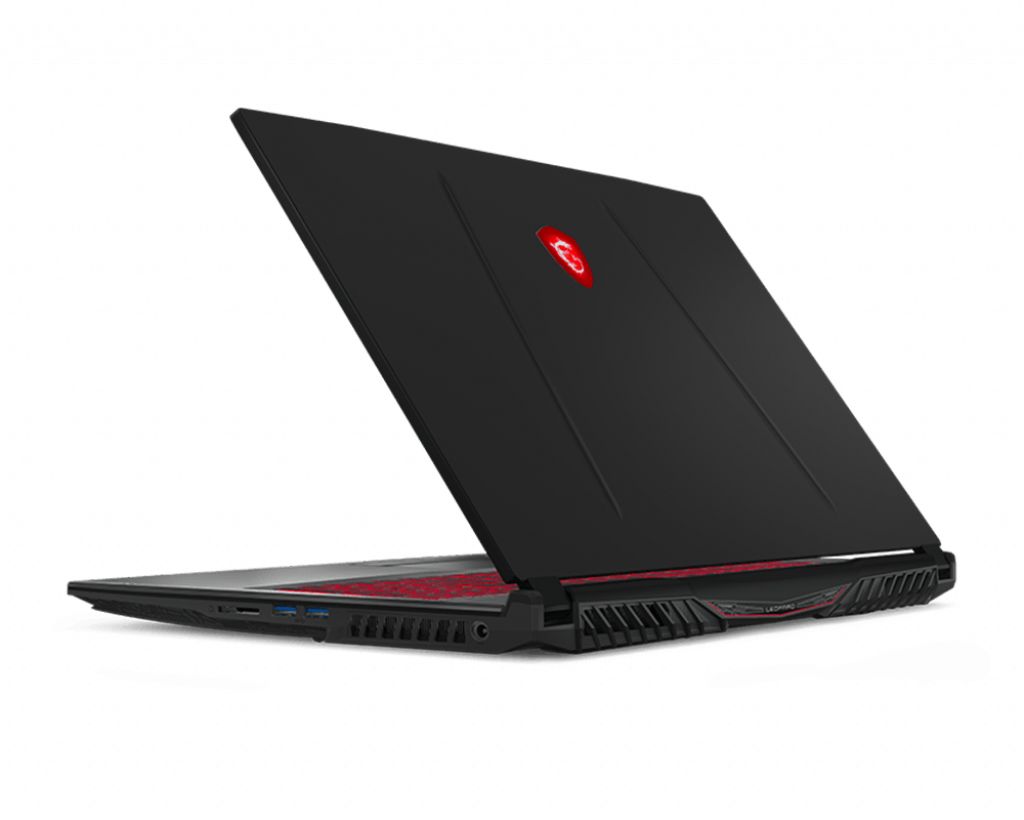
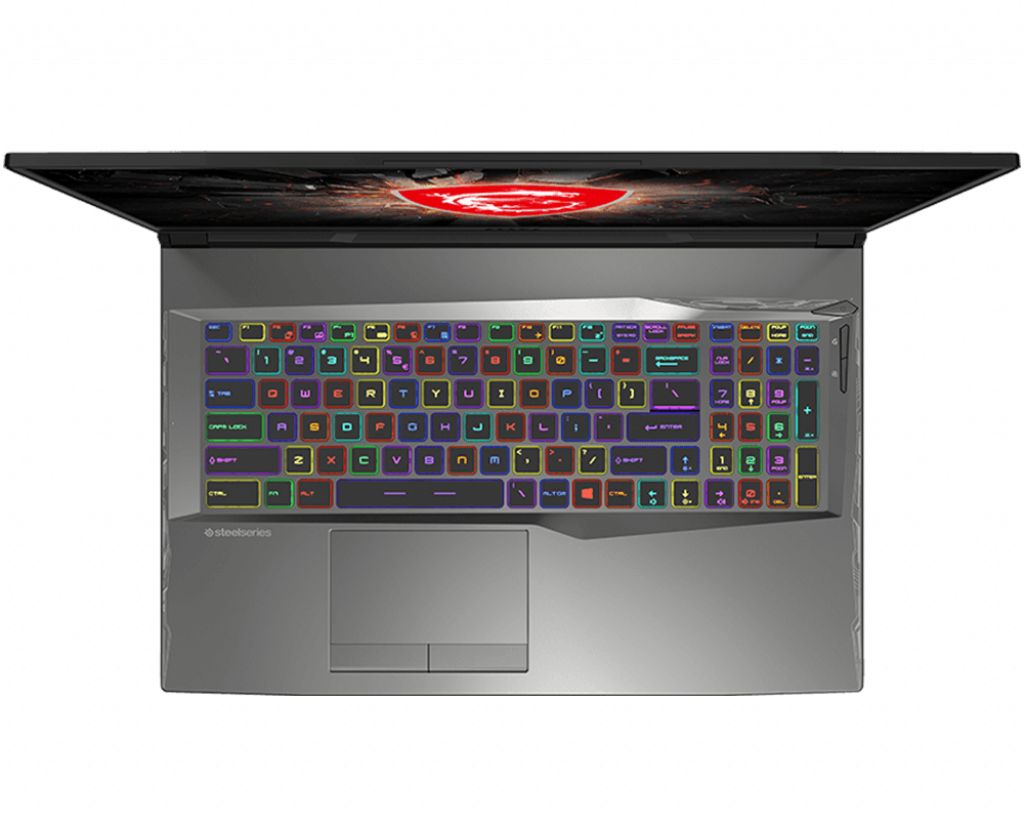

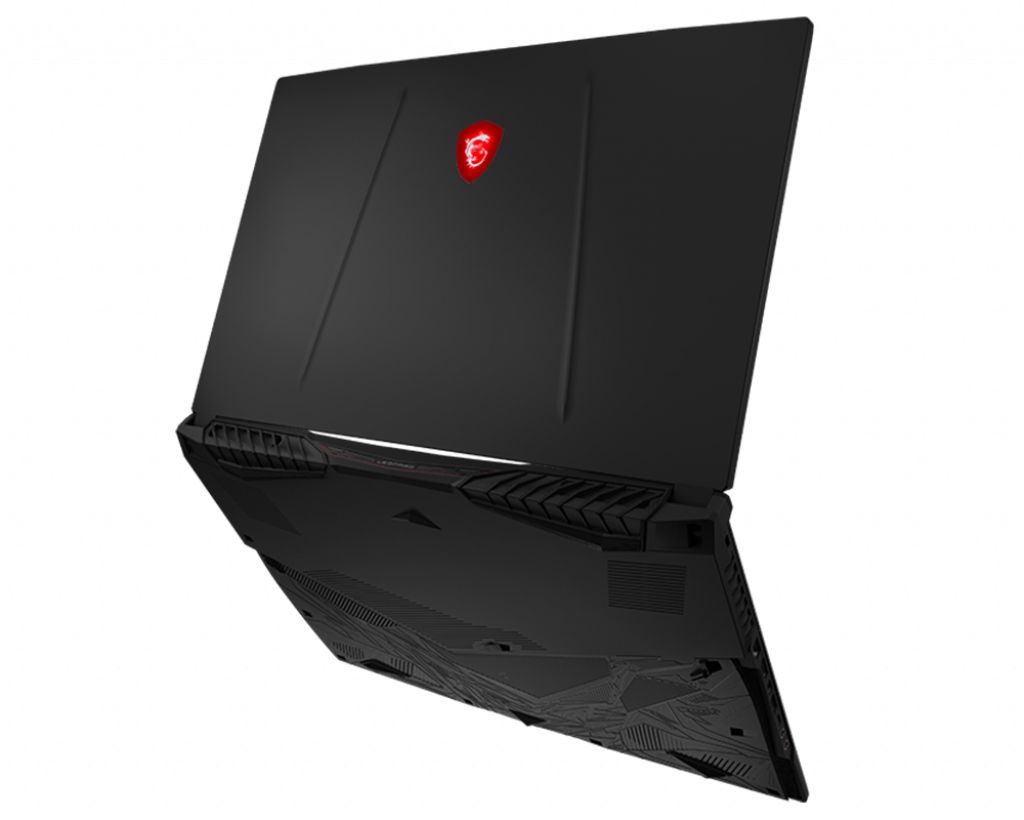
The MSI GP75 10SEK-018ES Leopard gaming laptop features DDR4-SDRAM memory upgrade capabilities with two SO-DIMM slots supporting a maximum RAM capacity of 64 GB. Compatible memory modules operate at 2666 MHz frequency. Upgrade specifications for the MSI GP Series GP75 10SEK-018ES Leopard indicate support for standard DDR4 SO-DIMM form factor memory modules, enabling users to expand system memory from the factory configuration up to the maximum supported capacity of 64 GB total RAM.
Memory Upgrade Specifications
| Specification | Value |
|---|---|
| Memory slots | 2x SO-DIMM |
| Form factor | SO-DIMM |
| Memory type | DDR4-SDRAM |
| Frequency | 2666 MHz |
| Maximum RAM | 64 GB |
| Voltage | 1.2V |
| Number of pins | 260-pin |
| Interface | PC4 |
| PC Speed Rating | PC4-2666 (PC4-21328) |
| Bandwidth | 21.3 GB/s |
| Laptop Release date | 07 March 2020 |
Additional Notes
- The MSI GP75 10SEK-018ES Leopard requires laptop-specific SO-DIMM modules rather than standard desktop DIMMs due to the smaller physical footprint and pin configuration differences.
- Upgrading to the 64 GB ceiling necessitates dual 32 GB modules, which may have higher latency timings than smaller capacity sticks at equivalent frequencies.
- The 2666 MHz specification represents the JEDEC standard speed, meaning higher-frequency modules will automatically downclock to this limit regardless of their rated specifications.
- Both memory slots must operate at identical speeds and timings to maintain dual-channel bandwidth, making mismatched module pairing inadvisable for optimal performance.
- Installing a single module will halve the memory bandwidth compared to dual-channel configuration, potentially creating bottlenecks in graphics-intensive applications.
- DDR4 voltage tolerance typically ranges between 1.2V and 1.35V, with modules exceeding this range risking thermal throttling or system instability in confined laptop chassis.
- Memory upgrades performed by the user typically do not void manufacturer warranties if the bottom panel removal does not break tamper-evident seals, though verification of specific warranty terms remains advisable.
- The 260-pin SO-DIMM standard prevents physical installation of incompatible DDR3 or DDR5 modules through differing notch positions.
- Reaching maximum capacity eliminates future incremental upgrades, requiring complete module replacement for any subsequent changes.
- Heat dissipation in gaming laptops makes low-profile modules without tall heat spreaders preferable to avoid clearance conflicts with internal components.