MSI Gaming GP75 9SE-802CA Leopard RAM upgrade specifications
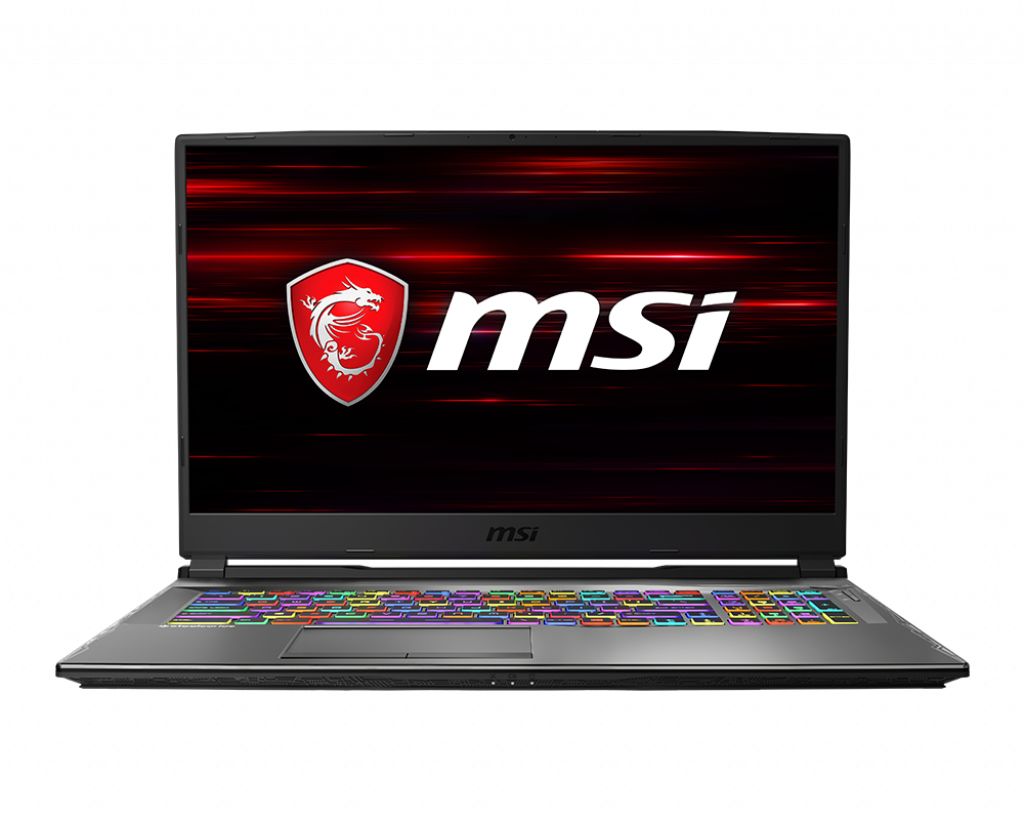
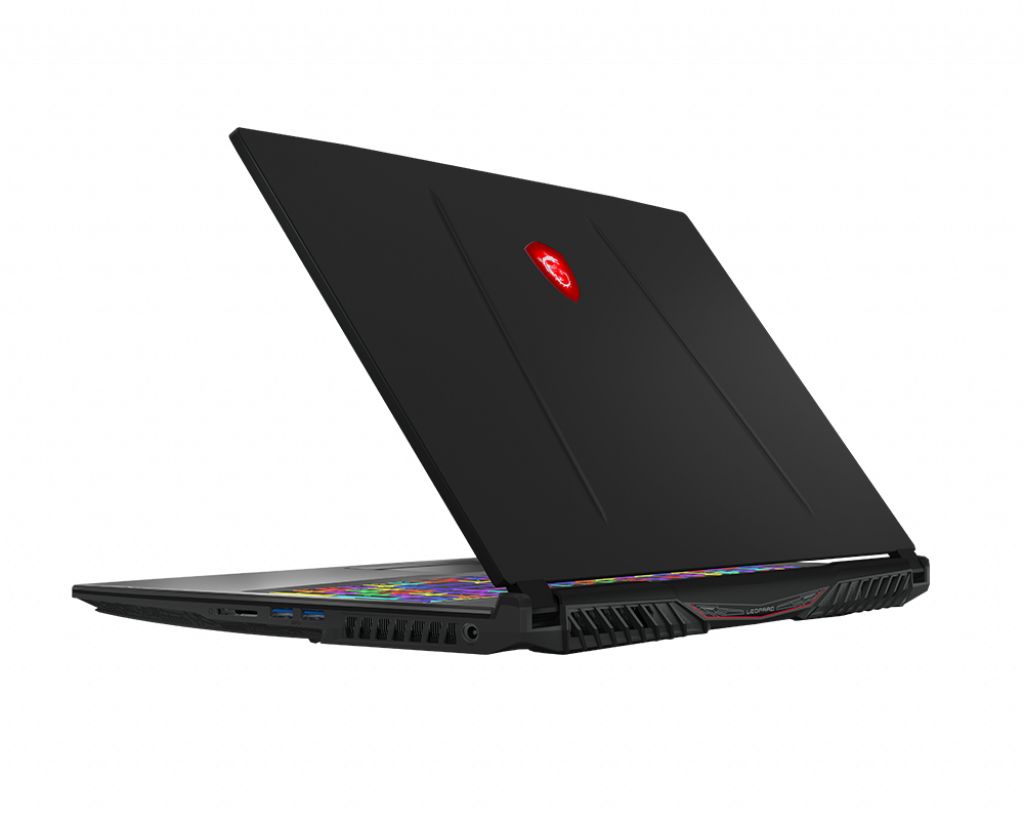
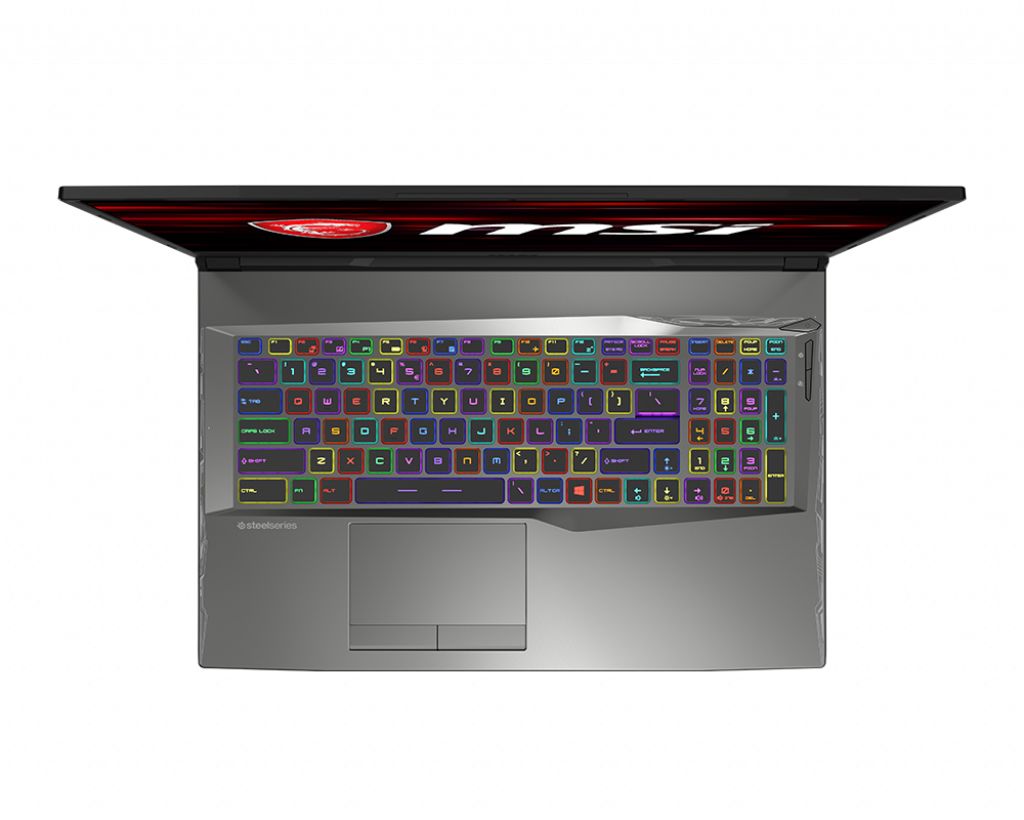


The MSI GP75 9SE-802CA Leopard gaming laptop features DDR4-SDRAM memory upgrades with two SO-DIMM slots supporting maximum capacity of 64 GB. Memory specifications include DDR4 compatibility at 2666 MHz frequency. The Gaming series GP model supports memory upgrade configurations for enhanced performance. Compatible RAM modules require SO-DIMM form factor compliance with DDR4 specifications. Maximum upgrade capacity reaches 64 GB total across both memory slots. Specifications indicate standard laptop memory upgrade compatibility for the GP75 9SE-802CA Leopard platform.
Memory Upgrade Specifications
| Specification | Value |
|---|---|
| Memory slots | 2x SO-DIMM |
| Form factor | SO-DIMM |
| Memory type | DDR4-SDRAM |
| Frequency | 2666 MHz |
| Maximum RAM | 64 GB |
| Voltage | 1.2V |
| Number of pins | 260-pin |
| Interface | PC4 |
| PC Speed Rating | PC4-2666 (PC4-21328) |
| Bandwidth | 21.3 GB/s |
| Laptop Release date | 16 July 2019 |
Additional Notes
- The MSI GP75 9SE-802CA Leopard utilizes SO-DIMM slots instead of standard DIMM, restricting module compatibility to notebook-specific memory and preventing installation of desktop RAM.
- The 2666 MHz frequency specification indicates this system operates on DDR4-2666, meaning faster modules such as DDR4-3200 will downclock to 2666 MHz and provide no performance benefit.
- With only 2 SO-DIMM slots available and a 64 GB ceiling, achieving maximum capacity requires 2 modules of 32 GB each, eliminating incremental upgrade paths beyond that configuration.
- The 64 GB maximum capacity constraint stems from chipset and BIOS limitations rather than physical slot count, rendering any individual module above 32 GB incompatible regardless of market availability.
- DDR4-SDRAM is not backward or forward compatible with DDR3 or DDR5 modules due to differing pin configurations and voltage requirements, necessitating exact generation matching.
- Dual-channel memory architecture requires paired modules of identical speed and capacity in both slots to avoid reverting to single-channel mode, which halves memory bandwidth.
- Accessing SO-DIMM slots typically requires removal of the bottom panel, and opening the chassis may void manufacturer warranty depending on regional consumer protection laws and warranty terms.
- Mixing modules with different CAS latencies or voltage specifications can cause POST failures or force all modules to operate at the slowest common timings, degrading performance.
- The absence of ECC support in consumer gaming platforms means unbuffered non-ECC SO-DIMM modules are required, as registered or ECC memory will be incompatible.
- JEDEC-standard DDR4-2666 operates at 1.2V, and modules requiring XMP profiles or higher voltage may not initialize properly without BIOS support for manual timing adjustments.