MSI Gaming GP76 12UEO-811UK Vector RAM upgrade specifications
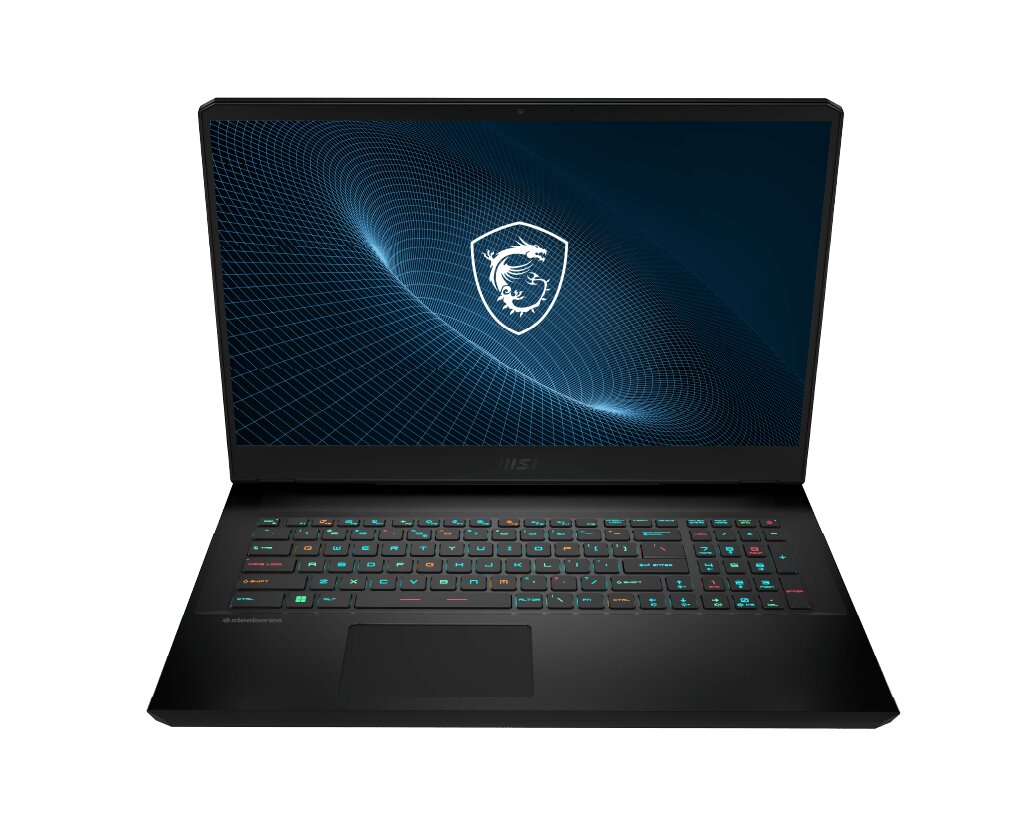
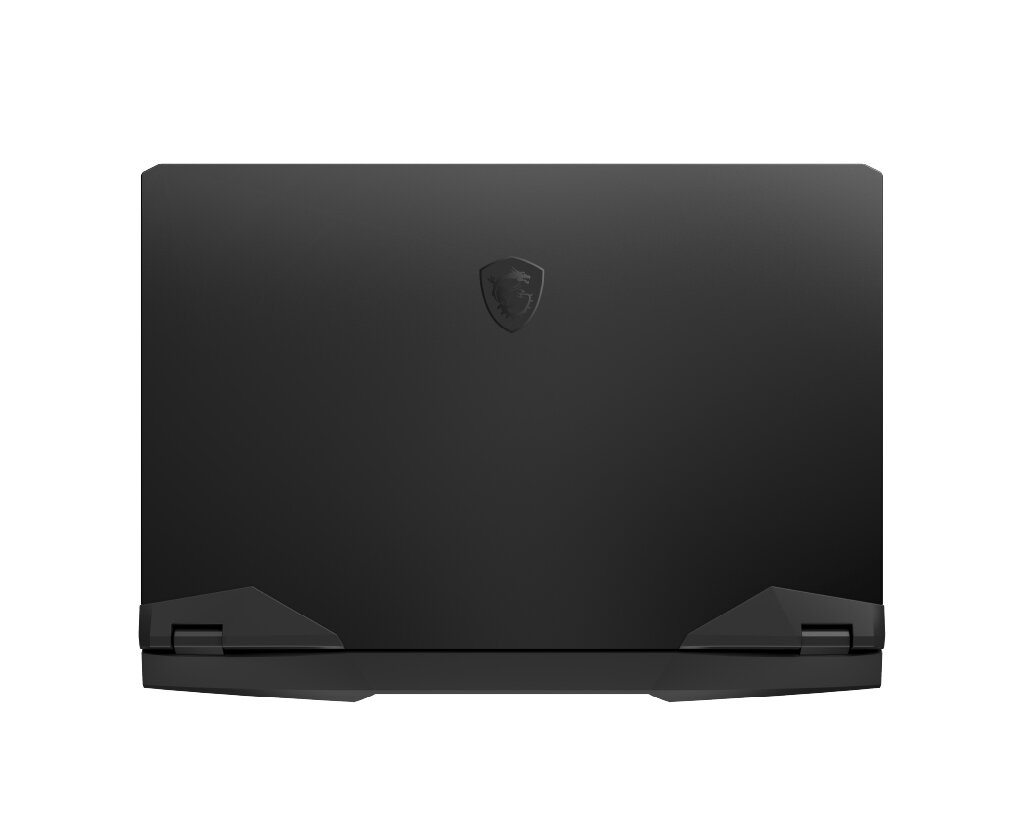
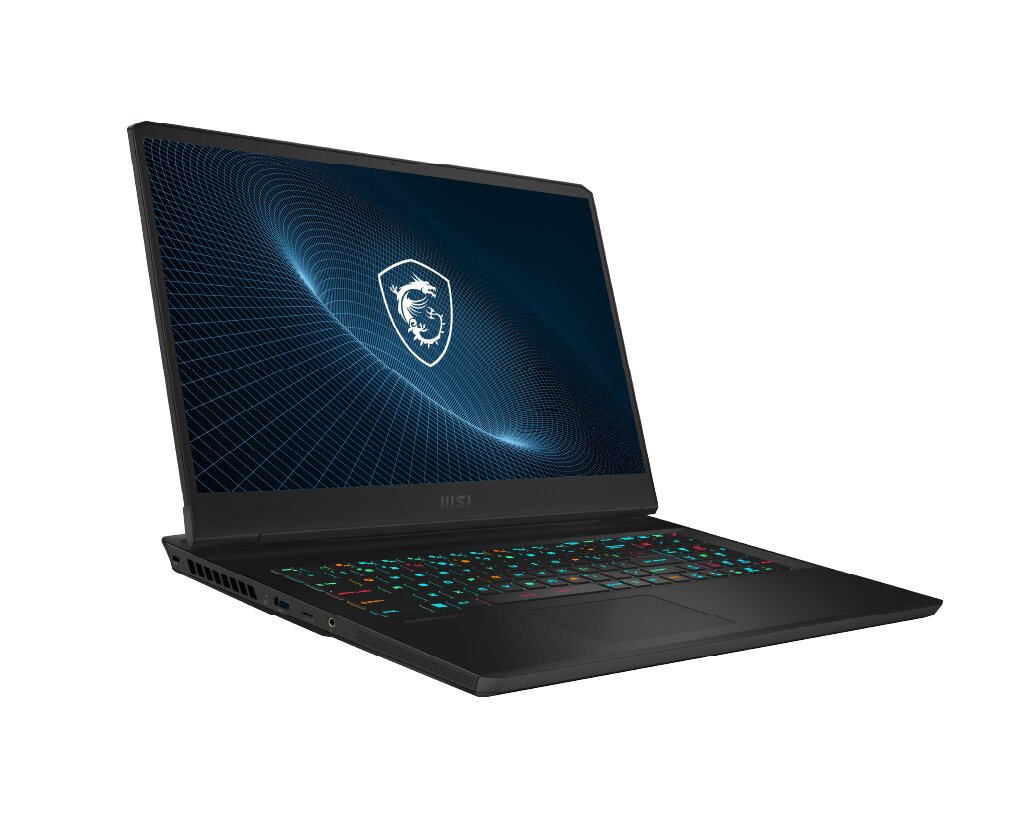
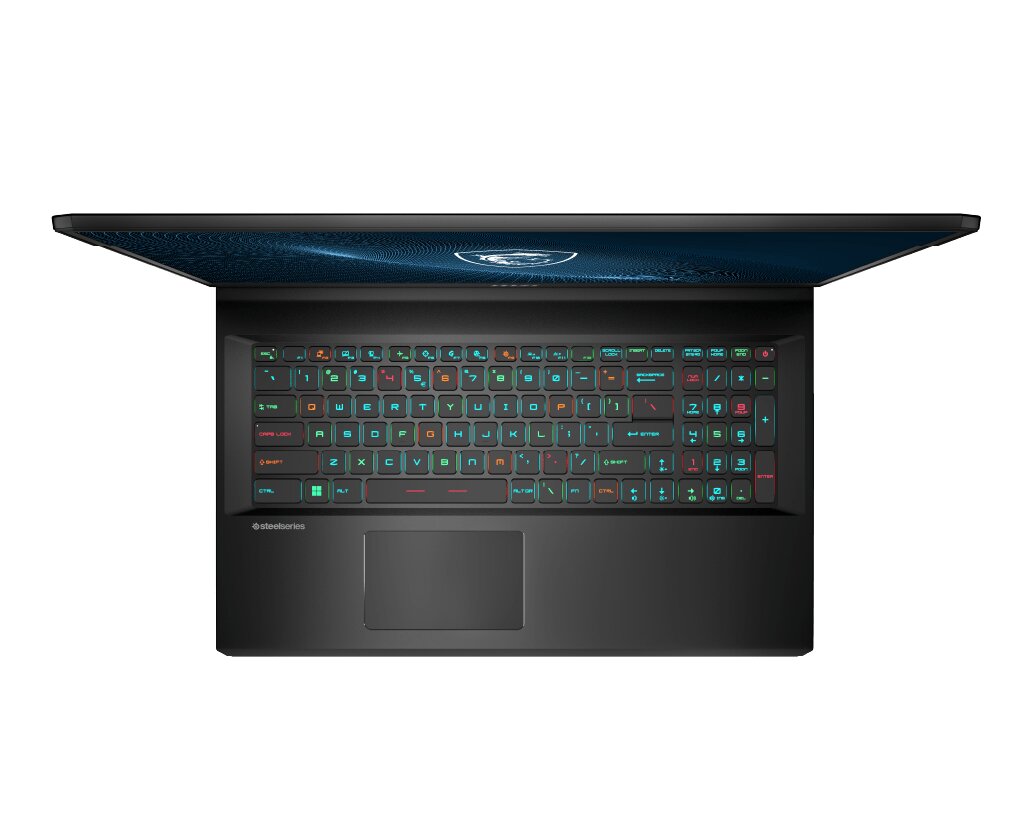
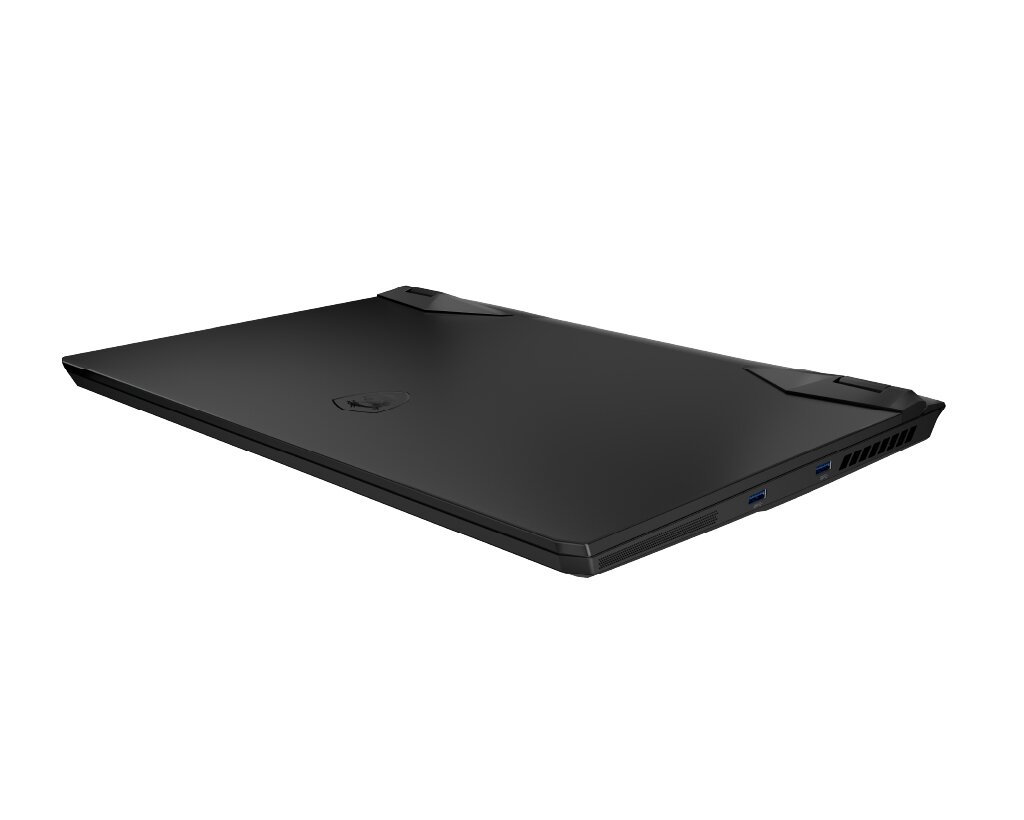
The MSI GP76 12UEO-811UK Vector gaming laptop contains two SO-DIMM slots supporting DDR4-SDRAM memory modules. The upgrade specifications indicate maximum RAM capacity of 64 GB, with compatible memory operating at 4800 MHz frequency. The GP series gaming platform supports DDR4 memory upgrades through accessible SO-DIMM slots, allowing users to expand system memory for enhanced multitasking and performance capabilities. Memory specifications are compatible with standard laptop upgrade configurations for the Vector model line.
Memory Upgrade Specifications
| Specification | Value |
|---|---|
| Memory slots | 2x SO-DIMM |
| Form factor | SO-DIMM |
| Memory type | DDR4-SDRAM |
| Frequency | 4800 MHz |
| Maximum RAM | 64 GB |
| Voltage | 1.2V |
| Number of pins | 260-pin |
| Interface | PC4 |
| PC Speed Rating | PC4-4800 (PC4-38400) |
| Bandwidth | 38.4 GB/s |
| Laptop Release date | 08 December 2022 |
Additional Notes
- The presence of 2 SO-DIMM slots implies that reaching the maximum 64 GB capacity requires the physical removal of all pre-installed modules to accommodate 2 32 GB sticks.
- Operating DDR4-SDRAM architecture at high frequencies on this MSI GP76 12UEO-811UK Vector ensures significant memory bandwidth available for the 12th generation processor while maintaining lower latency compared to early DDR5 modules.
- Dual-channel symmetry is only achievable when both slots are occupied by modules of identical capacity and timing, which significantly impacts integrated graphics performance and frame consistency during heavy workloads.
- The hardware design limits motherboard expansion to the 64 GB threshold, meaning any attempts to install higher density modules will result in a failure to boot or system instability.
- Upgrading the internal memory requires breaching the chassis seal, which necessitates using non-conductive tools to prevent electrostatic discharge from damaging sensitive surface-mounted components.
- Since the specified frequency is high for the DDR4 standard, the system may rely on XMP profiles or high-performance JEDEC timings that must be matched by replacement kits to maintain rated speeds.