MSI Gaming Vector GP68HX 13VH-097XES RAM upgrade specifications
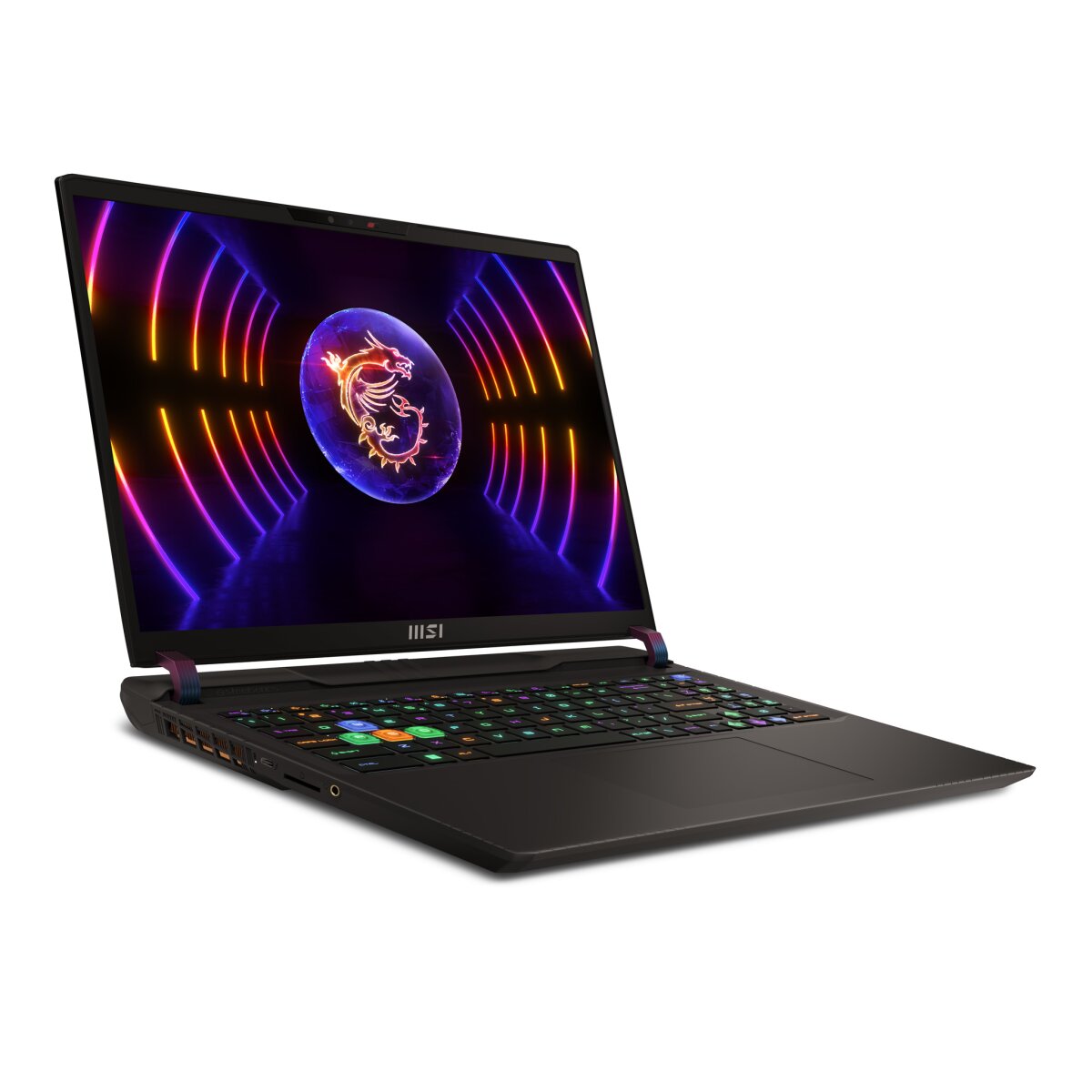



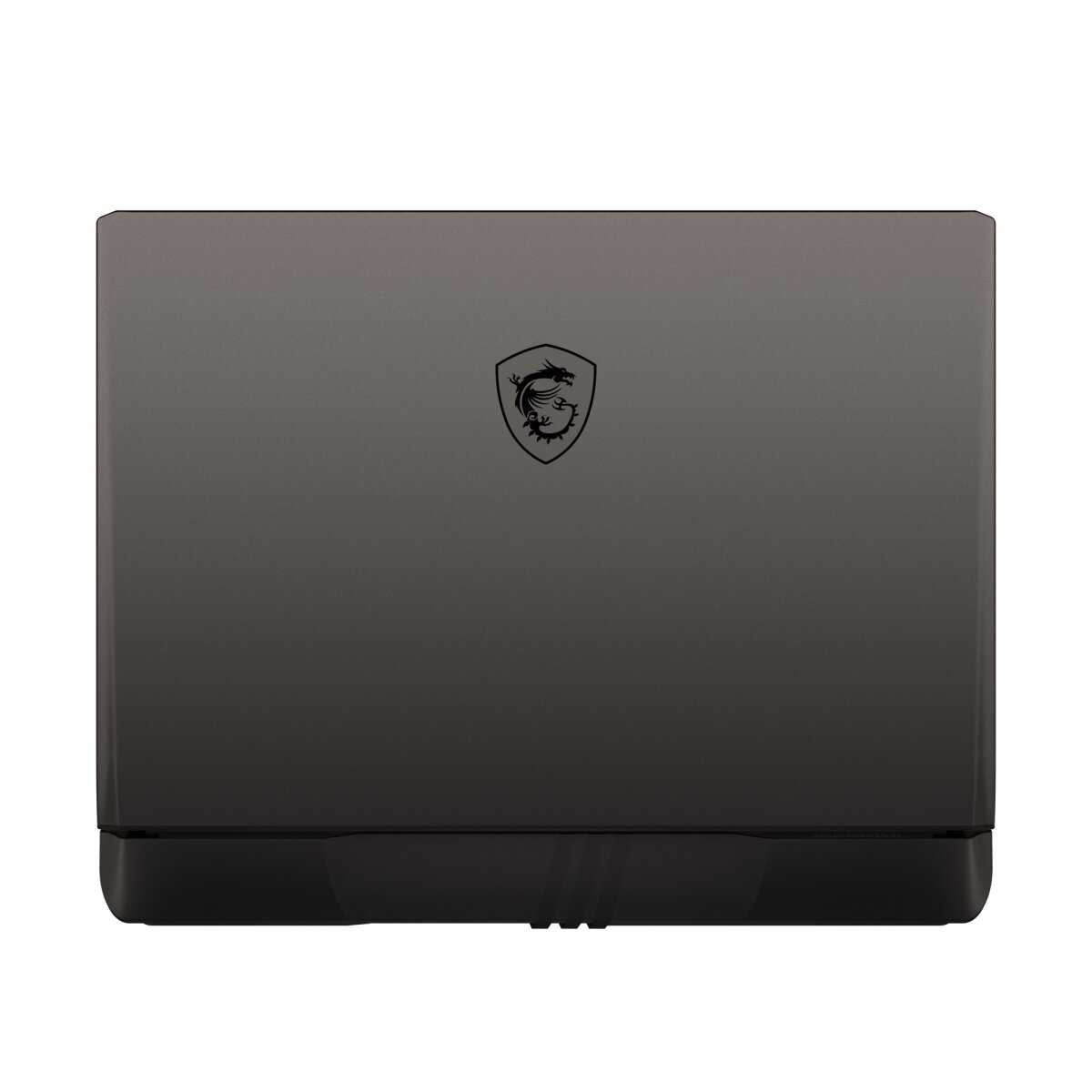
MSI Vector GP68HX 13VH-097XES gaming laptop memory upgrade specifications include 2x SO-DIMM slots supporting DDR5-SDRAM memory modules. Maximum RAM capacity reaches 64 GB with compatible DDR5 modules operating at 5600 MHz frequency. SO-DIMM form factor enables memory expansion for enhanced system performance. Upgrade specifications provide technical compatibility information for memory configuration modifications on this gaming series model.
Memory Upgrade Specifications
| Specification | Value |
|---|---|
| Memory slots | 2x SO-DIMM |
| Form factor | SO-DIMM |
| Memory type | DDR5-SDRAM |
| Frequency | 5600 MHz |
| Maximum RAM | 64 GB |
| Voltage | 1.1V |
| Number of pins | 262-pin |
| Interface | PC5 |
| PC Speed Rating | PC5-5600 (PC5-44800) |
| Bandwidth | 44.8 GB/s |
| Laptop Release date | 22 December 2023 |
Additional Notes
- SO-DIMM slots limit maximum capacity to 64 GB total, requiring 2x32 GB modules rather than larger single-stick configurations. This architecture leaves no expansion headroom beyond the stated ceiling.
- DDR5-5600 MHz operation on the MSI Vector GP68HX 13VH series demands modules rated for JEDEC DDR5 5600 or higher. Non-compliant memory will downclock to lower specifications, negating performance advantages of the DDR5 platform.
- Dual SO-DIMM configuration creates a single-channel failure point; loss of 1 module results in total memory unavailability rather than degraded operation at reduced capacity.
- SO-DIMM replacement requires internal chassis access and potential removal of system components. User-initiated installation carries risk of voiding manufacturer coverage if improper procedure occurs.
- DDR5 SO-DIMM availability at 32 GB capacity remains limited in aftermarket channels compared to DDR4 equivalents, extending sourcing timelines and potentially increasing per-unit cost relative to alternative upgrades.
- Thermal considerations apply when populated to 64 GB maximum. Dense memory configurations can elevate junction temperatures in adjacent components, particularly on high-performance gaming systems with aggressive thermal profiles.