MSI Gaming Vector GP76 12UGSO-842FR RAM upgrade specifications
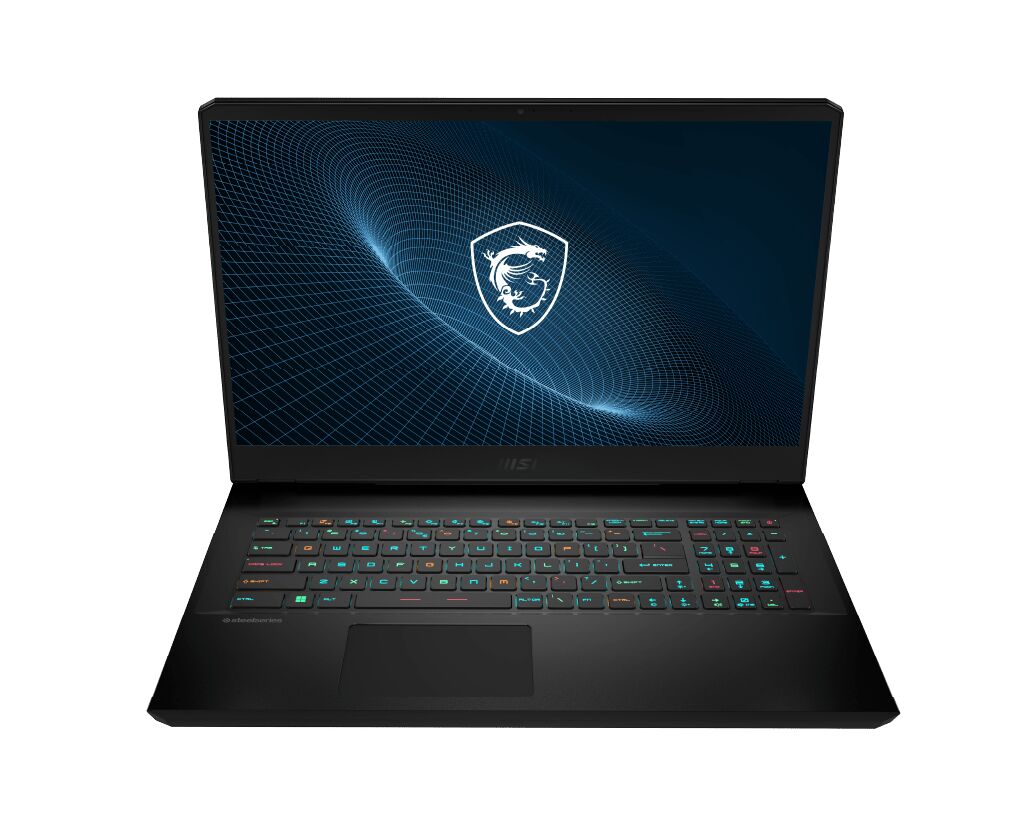
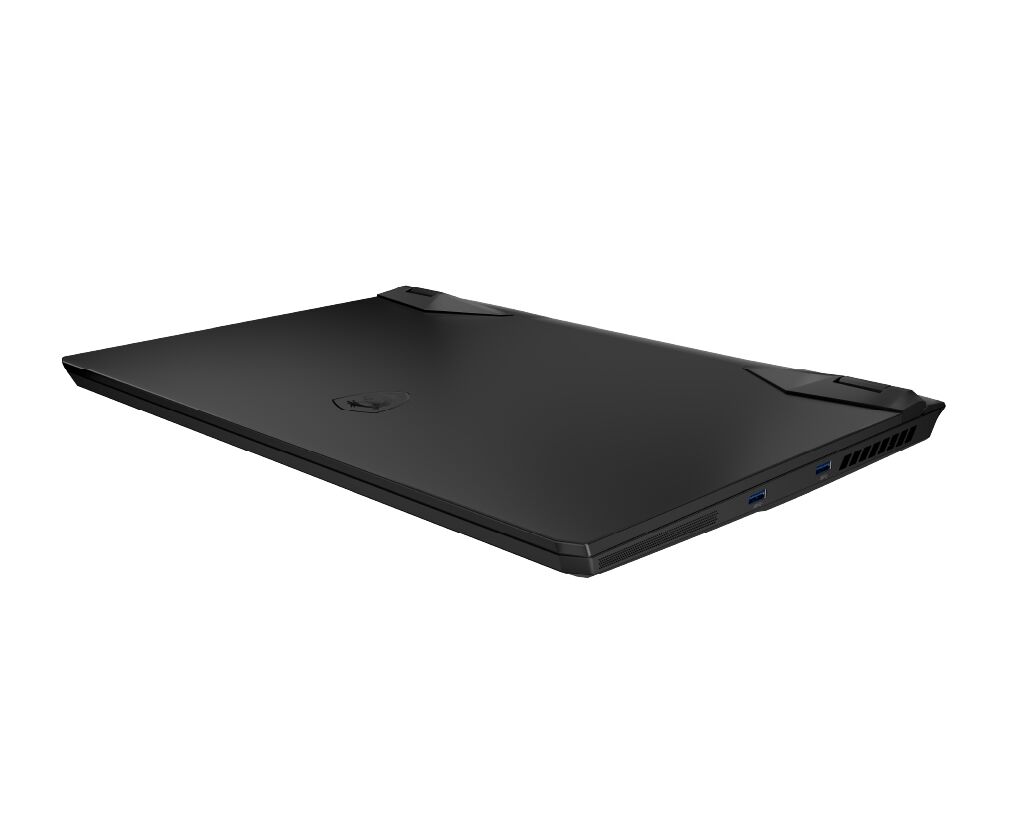
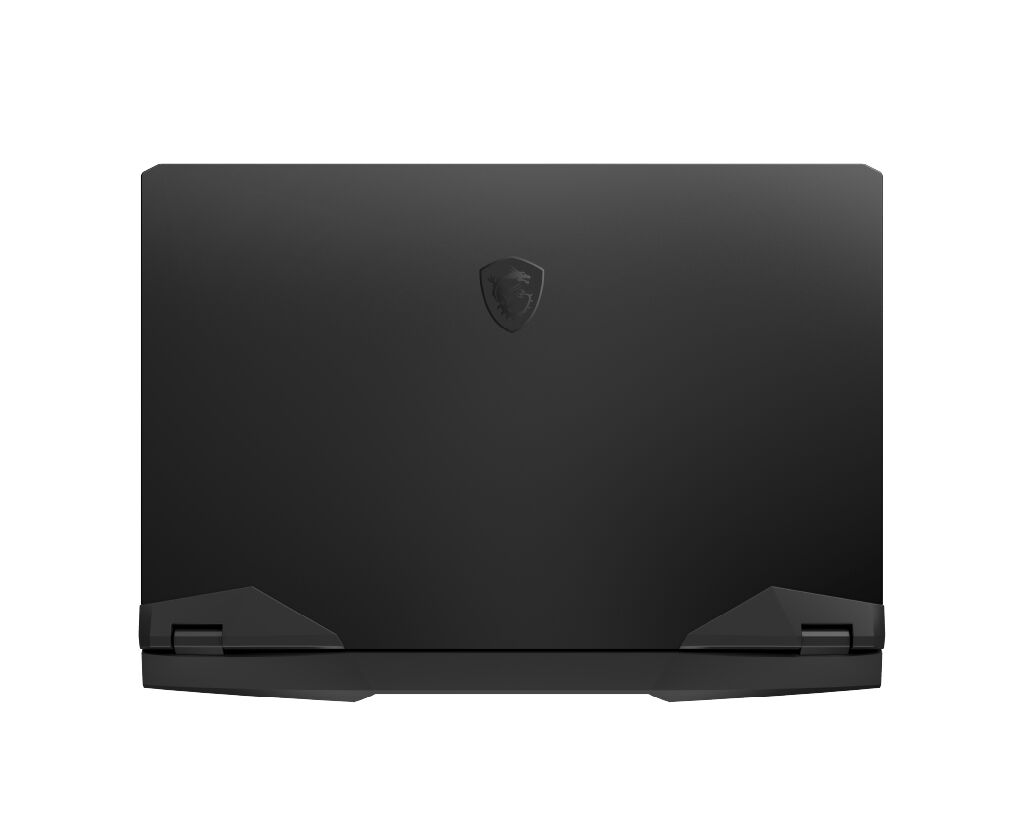
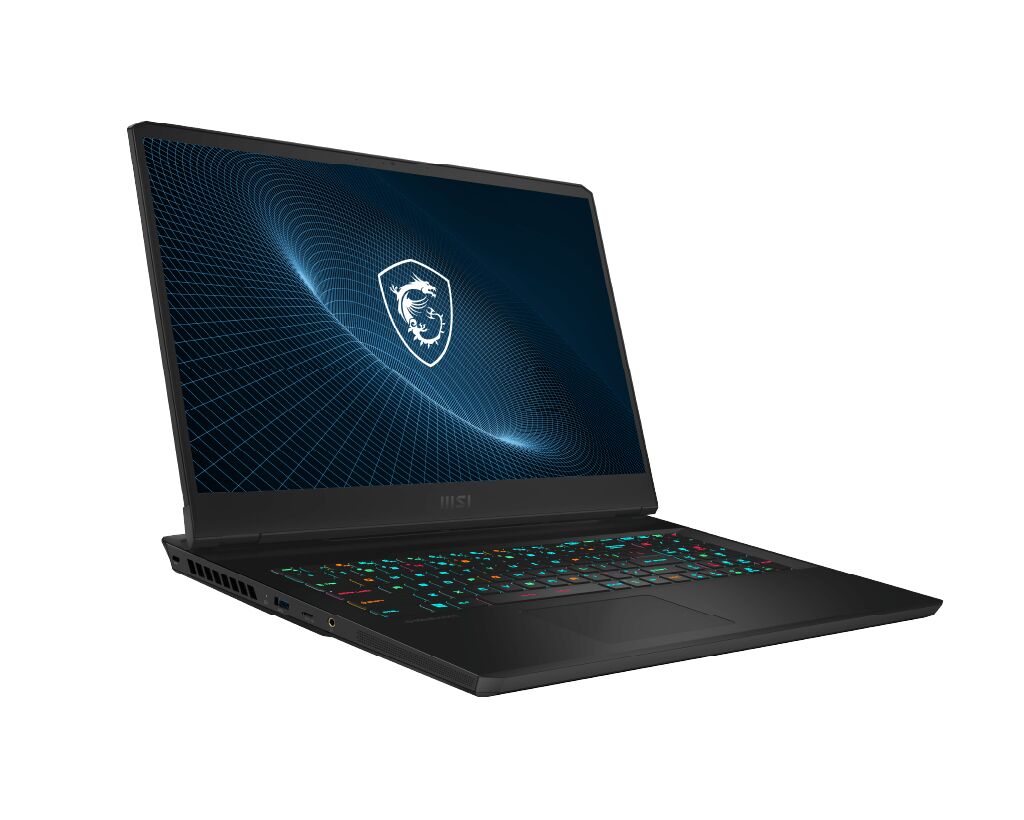
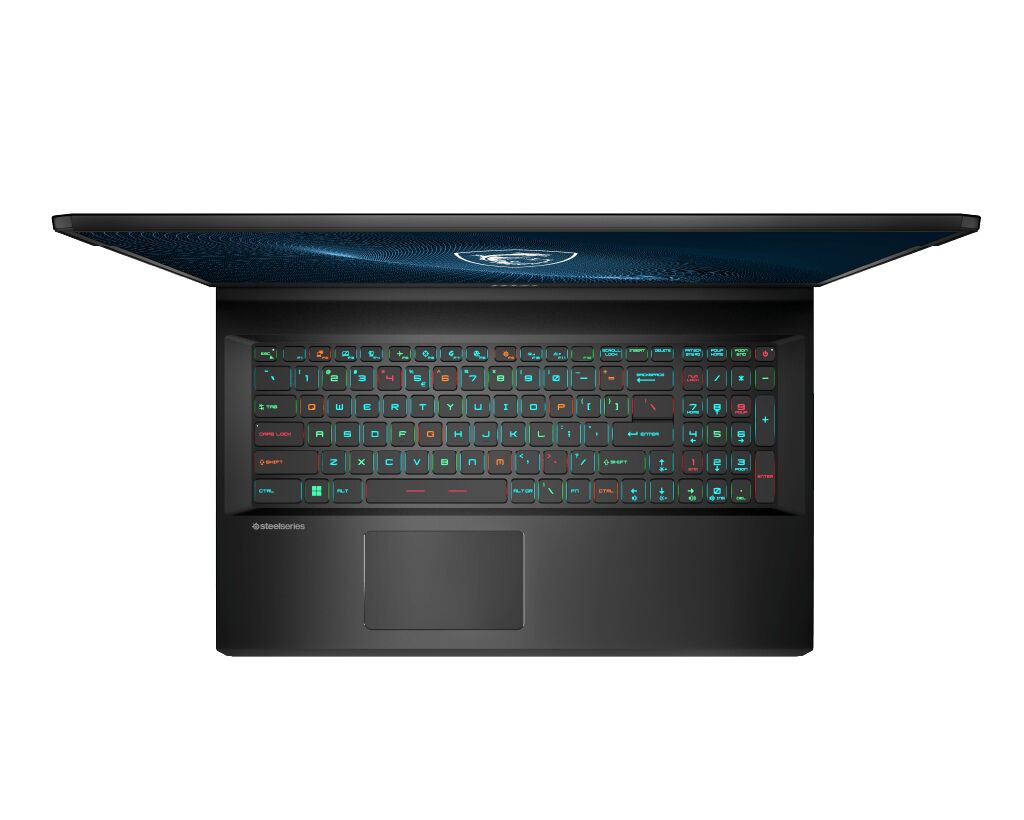
MSI Vector GP76 12UGSO-842FR gaming laptop supports DDR5-SDRAM memory upgrades with two SO-DIMM slots. Maximum RAM capacity reaches 64 GB with DDR5-4800 MHz frequency specifications. Compatible upgrades utilize SO-DIMM form factor modules, enabling users to expand memory beyond factory configuration. Specifications support memory modules operating at 4800 MHz frequency, providing upgrade flexibility for gaming and professional applications on this gaming series model.
Memory Upgrade Specifications
| Specification | Value |
|---|---|
| Memory slots | 2x SO-DIMM |
| Form factor | SO-DIMM |
| Memory type | DDR5-SDRAM |
| Frequency | 4800 MHz |
| Maximum RAM | 64 GB |
| Voltage | 1.1V |
| Number of pins | 262-pin |
| Interface | PC5 |
| PC Speed Rating | PC5-4800 (PC5-38400) |
| Bandwidth | 38.4 GB/s |
| Laptop Release date | 13 May 2022 |
Additional Notes
- DDR5-SDRAM operating at 4800 MHz requires memory modules explicitly rated for this frequency to avoid stability issues and potential data corruption, as DDR5 lacks backward compatibility with DDR4 systems.
- The 2 SO-DIMM slot configuration on the MSI Vector GP76 12UGSO-842FR imposes a maximum ceiling of 64 GB total capacity, constraining multi-application workloads and virtualization scenarios that benefit from 128 GB or higher memory pools.
- SO-DIMM form factor upgrades require complete module replacement rather than incremental expansion, as mixed capacity configurations (such as 16 GB plus 32 GB) may trigger dual-channel asymmetry that reduces effective bandwidth by up to 50 percent.
- Achieving the 64 GB maximum requires population of both slots with 32 GB modules, making single-slot population at lower capacities (16 GB or 32 GB) result in underutilized memory bandwidth potential until the second slot receives matching capacity.
- DDR5-4800 modules represent the entry-tier frequency for DDR5 ecosystems; modules rated for 5600 MHz or higher will downclock automatically to 4800 MHz, causing unnecessary performance loss and hardware cost premium without benefit.
- Warranty preservation requires verification of memory module SPD (Serial Presence Detect) compatibility through official MSI memory qualification lists before installation, as non-listed modules may trigger BIOS warnings or automatic function downgrade.
- Thermal dissipation in the enclosed chassis may constrain module selection; DDR5 modules with integrated heatspreaders generate additional thermal load compared to passive alternatives, potentially affecting sustained performance under extended gaming sessions.